
Understanding the UAE’s e-Invoicing Framework: Key Regulations and Deadlines

COMMERCIAL EXCELLENCE

Loading...

Strategic guidance and institutional-grade solutions customized for your enterprise objectives.

Talk to a Financial Expert

Schedule a complimentary 30-minute discovery call to discuss your enterprise’s financial trajectory.
By submitting, you agree to our Privacy Policy.

Table of Contents

The United Arab Emirates has embarked on one of the most significant fiscal reforms since the introduction of VAT: the mandatory implementation of a nationwide electronic invoicing (e-invoicing) system. For businesses operating in the UAE, this isn't a mere technological upgrade; it's a fundamental restructuring of the transactional backbone of commerce.

Understanding the framework is no longer a matter of staying ahead—it's a matter of compliance and continuity. The Federal Tax Authority (FTA) has laid out a clear, phased plan, and the clock is ticking. This comprehensive guide will dissect the UAE's e-invoicing framework, breaking down its complex regulations and critical deadlines into an actionable roadmap for your business. Furthermore, we will explore how partnering with a specialist like Aviaan can transform this regulatory mandate from a daunting challenge into a seamless, strategic advantage.
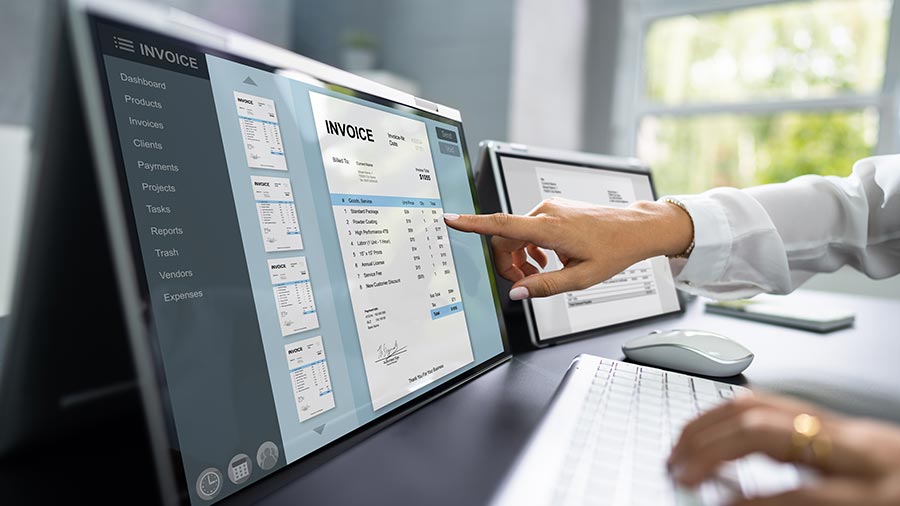
Understanding the UAE’s e-Invoicing Framework-Aviaan

The Foundation: What is the UAE e-Invoicing Framework?

First, it's crucial to dispel a common myth. The UAE's e-invoicing system is not about sending PDF invoices via email. The FTA has introduced a structured, integrated, and end-to-end digital ecosystem.

The framework is officially known as the "E-Invoicing System" and is designed to facilitate the generation, storage, and exchange of invoices and tax credit notes in a structured, machine-readable data format. The ultimate goals are to:

  • Enhance Tax Compliance: Create a transparent chain of transactions, making it significantly harder to evade tax and easier for the FTA to cross-reference data.
  • Boost Economic Efficiency: Automate processes, reduce errors, and speed up payment cycles for businesses and the government.
  • Drive Digital Transformation: Accelerate the adoption of digital tools across the UAE's economy, aligning with national visions like "We the UAE 2031".

The Architectural Blueprint: The Two-Phased Rollout

The FTA has wisely chosen a phased approach to ensure a smooth transition for all businesses. Understanding the distinction between these two phases is the first step to compliance.

Phase 1: The E-Invoicing System (Generation & Storage)

Deadline: Effective for all VAT-registered businesses since July 1, 2024.

This first phase focuses on the origin of the invoice. It mandates how taxable persons must generate and store their tax invoices and tax credit notes.

Key Regulations in Phase 1:

  1. Structured Electronic Format: Invoices must be generated in a structured, machine-readable format. The FTA specifically recommends XML based on the UBL (Universal Business Language) standard. A PDF/A-3 with an embedded XML file is also acceptable as a transitional measure, but pure PDFs or Word documents are non-compliant.
  2. Mandatory Data Fields: Each e-invoice must contain specific, standardized fields. Beyond the standard VAT invoice requirements, new critical elements include:

    • A Unique UUID (Universally Unique Identifier): A globally unique identifier for each invoice.
    • A QR Code: A Quick Response code that must be present on the human-readable copy of the invoice. This QR code must contain essential details like the seller's and buyer's TRN, the invoice date/time, total amount with VAT, and the UUID.
    • Specific Seller/Buyer Details: Requires the legal name, address, and VAT registration number (TRN) of both parties.

  3. Tamper-Evident Storage: Businesses must store e-invoices in a manner that prevents unauthorized alteration, deletion, or destruction. Any subsequent changes must be made exclusively through the issuance of a legally compliant tax credit note and a new invoice, creating a clear and immutable audit trail.
  4. Integration Readiness: While Phase 1 does not require direct submission to the FTA, your e-invoicing system must be technically capable of integrating with the FTA's platform for the upcoming Phase 2.
  5. Customer Consent for Electronic Delivery: If you are not providing a physical copy of the invoice, you must obtain your customer's consent to receive it electronically.

Phase 2: The E-Reporting System (Submission & Clearance)

Deadline: To be announced by the FTA. (Businesses must prepare now).

The second phase will introduce the direct reporting of e-invoices to the FTA. This is the "clearance" or "continuous transaction controls" (CTC) model, similar to systems in KSA and Egypt.

Expected Key Regulations in Phase 2:

  1. Near-Real-Time Reporting: Upon issuance, e-invoices will need to be reported to the FTA's designated platform within a very short timeframe. Based on regional models, this could be within 24 to 72 hours.
  2. Government Integration (Clearance Model): It is highly anticipated that the FTA will implement a system where each invoice is validated and potentially assigned a unique government hash or signature, certifying its authenticity for input tax deduction. Your internal systems will need to communicate directly with the FTA's gateway.
  3. Expanded Scope: The reporting requirements will likely cover a broader set of documents, including specific types of debit notes and pro-forma invoices.

Decoding the Technical Standards: A Closer Look

The FTA's published "Business-to-Business (B2B) Supply - E-Invoicing Data Dictionary" is the technical bible for compliance. Here are some of its most critical components:

  • The UUID: This is not a sequential number. It must be generated using a specific cryptographic algorithm (RFC 4122) to ensure global uniqueness, preventing duplication and fraud.
  • The QR Code: The QR code is not an image; it's a data carrier. It must contain a specific set of data in a predefined structure, allowing the FTA and buyers to quickly validate the invoice's authenticity.
  • Data Integrity and Authenticity: The framework mandates that the integrity of the invoice's content and the authenticity of its origin be ensured throughout its lifecycle. This is achieved through a combination of the UUID, QR code, system controls, and reliable Business Process Controls (BPCs).

Who is Affected? The Scope of the Mandate

The mandate applies to all businesses registered for VAT in the UAE. This includes:

  • Large Enterprises: With complex ERP systems and high transaction volumes.
  • SMEs: Often using simpler accounting software or even manual processes.
  • Free Zone Companies: That are VAT-registered.

There are currently no exemptions based on turnover or company size. If you issue a tax invoice, it must be an e-invoice.

The Business Impact: From Compliance Burden to Strategic Opportunity

The Challenges of Non-Compliance and Implementation:

  • System Integration: Legacy ERP and accounting systems may not be natively compliant, requiring significant upgrades or replacement.
  • Process Re-engineering: The entire Order-to-Cash cycle needs to be redesigned for digital integration.
  • Data Governance: Inaccurate master data (e.g., wrong customer TRNs) will cause system failures and compliance breaches.
  • Financial Cost: Fines for non-compliance can be severe, in addition to the investment required for new software and implementation.
  • Operational Disruption: A poorly managed transition can lead to invoicing delays, payment stoppages, and damaged supplier/customer relationships.

The Tangible Benefits of a Successful Implementation:

When executed correctly, e-invoicing delivers a powerful return on investment:

  • Dramatic Cost Savings: Reduction in costs related to paper, printing, postage, and manual processing by up to 60-70%.
  • Accelerated Cash Flow: Fewer errors and disputes lead to faster invoice approval and payment.
  • Enhanced Accuracy & Efficiency: Automation eliminates manual data entry errors and frees up staff for value-added tasks.
  • Robust Audit Trail: A digital, tamper-proof record simplifies internal and external audits.
  • Data-Driven Insights: Structured invoice data becomes a goldmine for analyzing spending patterns, customer behavior, and operational efficiency.

How Aviaan Can Guide Your Business to Seamless Compliance and Beyond

Navigating this complex regulatory and technological landscape requires more than just buying software. It requires strategic expertise, proven methodologies, and a partner who understands both the regulations and your business. This is where Aviaan delivers unparalleled value.

1. Strategic Advisory and Compliance Gap Analysis
Aviaan begins with a deep-dive assessment of your current state. We map your existing invoicing processes, technology stack, and data quality against the FTA's stringent requirements. The outcome is a clear, prioritized roadmap that identifies exactly what needs to change, mitigating risk from the very start.

2. Future-Proof Solution Design and Vendor Selection
The market is flooded with e-invoicing solutions. Aviaan acts as your independent, trusted advisor. We help you select the right technology partner and solution that not only meets Phase 1 requirements but is also architected for the seamless integration demands of Phase 2. We evaluate options based on your specific ERP environment (SAP, Oracle, Microsoft Dynamics, etc.), business size, and budget.

3. End-to-End Implementation and Seamless Integration
This is the core of Aviaan's technical expertise. Our certified consultants manage the entire project lifecycle:

  • System Configuration: Setting up the e-invoicing solution to comply with the FTA's data dictionary.
  • ERP Integration: Ensuring flawless, bi-directional data flow between your core business systems and the new e-invoicing platform.
  • Data Cleansing & Migration: We help you scrub and standardize your master data (customer and product information) to ensure it feeds perfectly into the new system, preventing rejection at the source.
  • QR Code and UUID Integration: Implementing the technical components to automatically generate compliant QR codes and UUIDs for every invoice.

4. Comprehensive Training and Change Management
Aviaan believes that technology is only as good as the people using it. We develop customized training programs for your finance, IT, and sales teams, empowering them to operate the new system confidently. Our change management strategies ensure smooth organizational adoption and minimize resistance.

5. Proactive Monitoring and Future-State Readiness
With Aviaan, your compliance is not a one-time event. We provide ongoing support and monitoring to ensure your systems continue to operate flawlessly. Most importantly, we keep you ahead of the curve, preparing your systems and processes for the imminent launch of Phase 2, ensuring a frictionless transition when the FTA flips the switch.

Conclusion: The Time for Strategic Action is Now

The UAE's e-invoicing framework is a definitive, irreversible shift in the business landscape. The deadline for Phase 1 has passed, and the countdown to Phase 2 is underway. Treating this as a simple IT project is a critical mistake that can lead to compliance failures, financial penalties, and operational chaos.

The businesses that will thrive in this new digital era are those that view the e-invoicing mandate not as a burden, but as a catalyst for modernization. It is a unique opportunity to streamline financial operations, unlock actionable data insights, and strengthen your market position.

Navigating this journey alone is a high-risk endeavor. Partnering with Aviaan provides you with the strategic guidance, technical excellence, and peace of mind to ensure your business not only achieves 100% compliance with the UAE's e-invoicing regulations but also emerges more efficient, agile, and data-powered. Don't just adapt to the future; let Aviaan help you define it. Contact us today to begin your seamless transition.

Related Posts:

What is e-invoicing in the UAE? A complete guide for businesses

Step-by-Step Process of Implementing e-Invoicing in the UAE

How e-Invoicing Supports the UAE’s Digital Transformation and Tax Transparency Goals

FTA e-Invoicing Requirements: What UAE Businesses Need to Know

Penalties and Non-Compliance Risks for Failing to Adopt e-Invoicing in the UAE

Data Security and Privacy Requirements Under UAE’s e-Invoicing Law

E-Invoicing and VAT Compliance: Aligning Your Business with FTA Regulations

How to Digitally Transform Your Finance Function with e-Invoicing

Best e-Invoicing Software Solutions Approved by the FTA in the UAE

How to Prepare Your ERP System for E-Invoicing Compliance in the UAE

E-Invoicing Integration with Accounting Software: What UAE Companies Should Know

Talk to an Expert

Schedule a complimentary 30-minute discovery call to discuss your requirements.

By submitting, you agree to our Privacy Policy.

Table of Contents

Need Immediate Help?

Our advisory team is ready to assist you.

Let's Build Your Business Success Together

Our senior partners are available to evaluate your current financial structure and identify opportunities for optimization and risk reduction.

Sector Expertise

Our advisory assignments span a wide range of industries, including:

Healthcare
Hospitality
Restaurants & F&B
Retail
Technology & SaaS
Fintech
Real Estate
Manufacturing
Logistics
Education
Automotive
Consumer Products
Professional Services
Renewable Energy
E-commerce
Beauty & Wellness

Each sector requires different demand drivers, economics, competitive factors and valuation considerations. Our analysis is structured accordingly.

Industries We Serve

Tailored financial strategies for specialized sectors.

Real Estate

Healthcare

Manufacturing

Technology

Retail & E comm

Logistics

Services Offered by Aviaan

Feasibility Study

Independent verification of financial statements to ensure transparency and trust.

Business Plan

A comprehensive analysis to evaluate the commercial, technical, and financial viability of a proposed business or project before investment.

Business Valuation

An objective assessment of a company, asset, or investment to determine its fair market value for transactions, reporting, or strategic decisions.

Due Diligence

A detailed financial review to assess risks, validate performance, and ensure informed decision-making in transactions.

Accounting

End-to-end financial recording, reporting, and compliance services to maintain accurate books and support business decision-making.

Market Research

Launching a new venture, expanding into a new geography, raising capital, or entering a new segment, robust market research is critical.

Need Immediate Help?

Our advisory team is ready to assist you with your urgent financial queries.

Services Offered by Aviaan

Feasibility Study

Independent verification of financial statements to ensure transparency and trust.

LEARN MORE →

Business Plan

A comprehensive analysis to evaluate the commercial, technical, and financial viability of a proposed business or project before investment.

LEARN MORE →

Business Valuation

An objective assessment of a company, asset, or investment to determine its fair market value for transactions, reporting, or strategic decisions.

LEARN MORE →

Due Diligence

A detailed financial review to assess risks, validate performance, and ensure informed decision-making in transactions.

LEARN MORE →

Accounting

End-to-end financial recording, reporting, and compliance services to maintain accurate books and support business decision-making.

LEARN MORE →

Market Research

Launching a new venture, expanding into a new geography, raising capital, or entering a new segment, robust market research is critical.

LEARN MORE →

Ready to Speak with an Expert?

Partner with Aviaan Advisory today to unlock your business’s full potential. Our team of experts is here
to provide tailored solutions and guide you every step of the way.

