


The bike and scooter sharing industry in the United States has experienced strong growth over the past decade due to urban mobility challenges, sustainability initiatives, and increasing consumer demand for affordable transportation alternatives. Cities such as New York, Los Angeles, Miami, Austin, Chicago, San Francisco, and Washington DC have seen rapid adoption of shared mobility solutions because residents and tourists seek flexible transportation options for short-distance travel. Rising fuel costs, traffic congestion, environmental awareness, and government support for eco-friendly transportation continue to drive market expansion across the country.
The U.S. micro-mobility sector also attracts significant investor interest because of its scalability and technology-driven operational model. Companies operating in this industry rely heavily on mobile applications, GPS tracking systems, digital payments, fleet management platforms, and data analytics to improve operational efficiency and customer experience. However, despite the attractive growth potential, businesses in this sector face major financial and operational complexities involving fleet maintenance, insurance, local permits, parking regulations, rider safety concerns, and high capital expenditure requirements. Therefore, entrepreneurs entering this industry need a professional business plan that aligns with U.S. market conditions and investor expectations.
Aviaan is a trusted consulting firm that provides specialized business plan services for bike and scooter sharing businesses across the United States. The company supports startups, investors, and expanding enterprises with business plans, accounting services, bookkeeping solutions, business valuation, financial advisory, and strategic consulting tailored to the shared mobility sector. With deep understanding of U.S. market dynamics, Aviaan helps businesses create investor-ready and operationally practical plans that support sustainable growth.
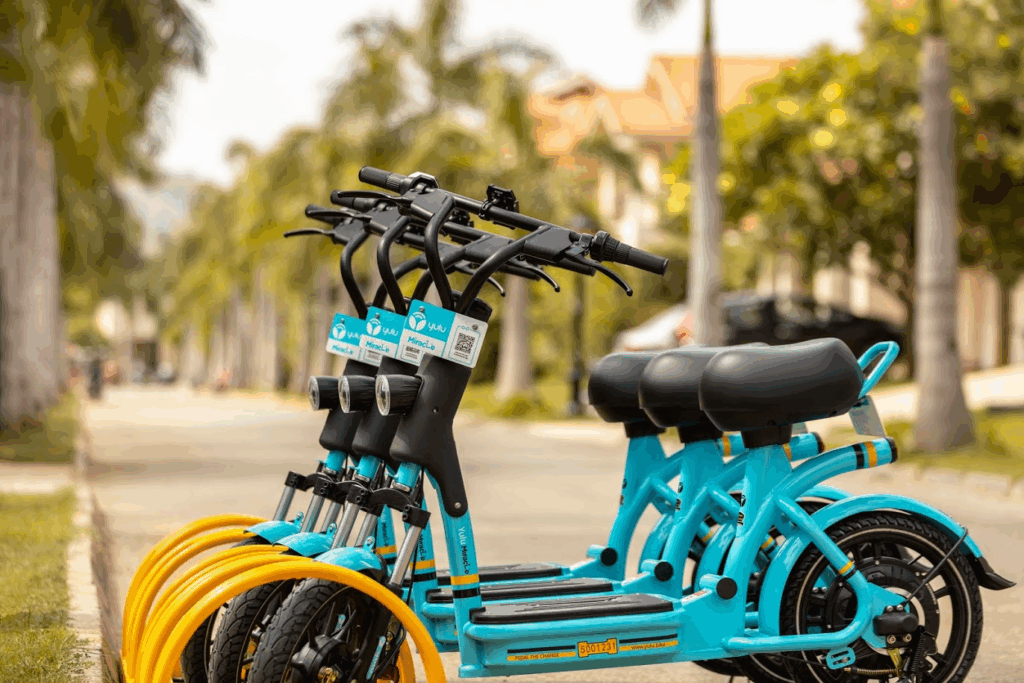
A business plan acts as the strategic foundation for launching and scaling a bike or scooter sharing company in the United States. The U.S. transportation market is highly competitive and regulated, making structured planning essential for operational success and investor confidence.
Urban transportation demand: Major U.S. cities continue to experience increased demand for affordable and flexible transportation solutions due to traffic congestion and rising commuting costs.
Consumer behavior insights: A professional business plan identifies customer preferences, rider demographics, usage frequency, and seasonal demand fluctuations.
Location-based opportunity assessment: Cities like California’s Los Angeles, Texas’ Austin, and Florida’s Miami have different mobility patterns, requiring tailored operational strategies.
Tourism and university market analysis: Tourist-heavy cities and university campuses create strong opportunities for scooter and bike sharing businesses.
Revenue forecasting: A financial business plan estimates subscription income, ride-based revenue, advertising income, and partnership opportunities.
Cost structure analysis: Fleet procurement, charging infrastructure, maintenance, insurance, labor, and app development costs must be carefully projected.
Break-even analysis: Entrepreneurs need clear visibility into operational profitability and long-term sustainability.
Investor confidence: Venture capital firms and lenders in the USA expect detailed financial projections and strategic business plans before funding mobility startups.
Fleet management strategy: Businesses must optimize fleet allocation, maintenance scheduling, and charging logistics.
Technology integration: The business plan model should include mobile applications, GPS tracking systems, payment gateways, and analytics dashboards.
Expansion roadmap: A strategic business plan outlines market expansion into additional cities or states.
Partnership opportunities: Shared mobility operators often collaborate with municipalities, universities, tourism boards, and corporate campuses.
Business overview: This section summarizes the proposed business, target market, operational strategy, and competitive advantage.
Mission and vision: It explains the long-term objectives of the scooter or bike sharing company.
Funding requirements: Investors require a concise overview of capital requirements and expected returns.
Growth potential: The executive summary should demonstrate scalability within the U.S. transportation market.
Industry trends: The U.S. micro-mobility industry continues to grow due to environmental concerns and smart city initiatives.
Competitor analysis: Businesses must evaluate major competitors including Bird, Lime, Lyft, and Spin operating across the United States.
Target audience profiling: Different customer groups include tourists, daily commuters, students, and urban residents.
Regulatory analysis: Local city permits, transportation regulations, insurance requirements, and parking restrictions vary across states.
Pay-per-ride model: Many operators charge customers based on ride duration or distance.
Subscription memberships: Monthly and annual plans can generate recurring revenue.
Corporate partnerships: Businesses may partner with offices, hotels, or educational institutions.
Advertising opportunities: Digital advertising on scooters and mobile applications creates additional income streams.
Digital marketing campaigns: Businesses rely heavily on social media advertising and app-store optimization.
Referral programs: Customer referral incentives improve user acquisition and retention.
Local partnerships: Collaboration with tourism agencies and event organizers increases visibility.
Brand positioning: Strong branding improves customer trust and competitive differentiation.
Fleet deployment strategy: Businesses must identify high-demand operational zones within cities.
Maintenance systems: Regular maintenance ensures safety compliance and customer satisfaction.
Battery charging operations: Electric scooter companies need efficient charging infrastructure and logistics.
Customer support systems: Real-time customer service improves user experience and retention.
Startup cost estimation: Initial investments include fleet purchases, software development, licensing, and insurance.
Cash flow projections: Shared mobility businesses require strong liquidity management.
Profit and loss forecasting: Financial projections help evaluate operational sustainability.
Funding strategy: Entrepreneurs may seek venture capital, bank loans, or private investors.
Environmental awareness: Consumers increasingly prefer eco-friendly transportation options.
Government sustainability initiatives: Several U.S. cities promote carbon reduction through green mobility programs.
Corporate ESG goals: Companies support sustainable transportation partnerships to improve environmental impact.
Urban mobility innovation: Smart city initiatives encourage adoption of connected transportation systems.
Technology integration: Real-time data collection improves traffic management and operational efficiency.
Public transportation connectivity: Scooter and bike sharing complement buses, trains, and subway systems.
Tourist transportation demand: Visitors prefer affordable transportation for short-distance travel.
Last-mile connectivity: Shared mobility bridges transportation gaps between transit hubs and destinations.
Event-driven demand: Festivals, sports events, and conferences increase ride usage.
Fleet procurement costs: Purchasing electric scooters and bikes requires significant investment.
Technology development expenses: Mobile applications and software systems increase startup costs.
Infrastructure investment: Charging stations and storage facilities require operational capital.
Repair and replacement: Frequent wear and vandalism impact profitability.
Insurance costs: Liability insurance premiums remain high in the U.S. transportation sector.
Labor expenses: Fleet management teams and technicians increase payroll obligations.
Permit restrictions: Some cities limit the number of operators and fleet size.
Safety compliance: Operators must meet local transportation and rider safety standards.
Parking enforcement: Improper parking can result in penalties and operational restrictions.
Demand validation: Investors want evidence of consumer demand and city-level opportunity.
Competitive differentiation: Businesses need unique operational or technological advantages.
Scalability: Expansion potential across multiple cities improves investment appeal.
Clear revenue model: Investors expect diversified and sustainable revenue streams.
Operational efficiency: Cost optimization strategies improve profitability potential.
Long-term projections: Detailed financial forecasting increases investor confidence.
User-friendly applications: Strong digital experience improves customer retention.
Fleet optimization systems: Technology-driven efficiency reduces operational costs.
Data-driven decisions: Analytics improve route optimization and market expansion planning.
New business launch: This type focuses on market entry strategy and funding requirements.
Investor targeting: Startups use this plan to secure seed funding or venture capital.
Long-term growth roadmap: This outlines expansion, partnerships, and market penetration strategies.
Operational alignment: Businesses use strategic plans to guide decision-making.
Quick business overview: This summarizes the core business model and objectives.
Pitch presentations: Entrepreneurs use one page business plans during networking and investor meetings.
Daily operations management: This focuses on workflows, staffing, and fleet management systems.
Performance tracking: Operational metrics help monitor efficiency and profitability.
Lime successfully expanded its scooter sharing operations across cities such as San Francisco, Washington DC, and Chicago by combining strong operational planning with advanced technology integration. The company invested heavily in GPS tracking, mobile application development, and fleet optimization systems to improve rider experience and operational efficiency. Lime also adapted its operations based on local regulations and city-specific transportation needs, allowing it to scale sustainably within the competitive U.S. mobility market.
A startup in Texas planned to launch an electric scooter sharing business targeting college campuses and tourist zones. However, the founders lacked a detailed financial business plan, operational roadmap, and investor presentation required for fundraising.
Aviaan developed a comprehensive business plan for the client that included detailed market research, competitive analysis, operational planning, financial forecasting, pricing strategy, and investor-focused documentation. The consulting team also created revenue projections, break-even analysis, and expansion strategies tailored to the U.S. transportation sector.
The startup successfully secured investor funding and launched operations in multiple Texas locations. Within the first year, the company expanded its fleet and achieved strong customer adoption due to strategic planning and operational efficiency.
Aviaan provides specialized business plan services for bike and scooter sharing businesses operating in the United States. The consulting team understands the operational, financial, and regulatory complexities involved in the shared mobility sector and delivers customized solutions that support business growth.
Investor-ready plans: Aviaan creates professional business plans designed for lenders and investors.
Customized market research: Industry-specific research helps businesses identify profitable opportunities.
Financial forecasting: Detailed projections improve strategic planning and investment readiness.
Accounting and bookkeeping: Accurate financial management supports compliance and operational efficiency.
Business valuation: Valuation services help businesses attract investors and support acquisitions.
Financial advisory: Strategic guidance improves profitability and growth planning.
Growth strategy development: Aviaan helps businesses scale into new U.S. cities and markets.
Operational optimization: Consulting services improve fleet management and cost efficiency.
Regulatory guidance: Businesses receive support navigating local transportation regulations.
Operational workflow planning: Businesses improve efficiency through optimized processes.
Pricing strategy support: Data-driven pricing improves customer acquisition and retention.
Performance analytics: Strategic insights support long-term decision-making.
The bike and scooter sharing industry in the United States offers significant growth opportunities driven by urban mobility challenges, sustainability initiatives, and changing consumer transportation preferences. However, success in this sector requires careful planning, financial discipline, operational efficiency, and compliance with complex local regulations. A professional business plan helps entrepreneurs secure funding, reduce operational risks, and create a scalable roadmap for sustainable growth.
Aviaan supports bike and scooter sharing businesses with customized business plans, financial advisory, accounting, bookkeeping, valuation, and strategic consulting services tailored specifically for the U.S. market. With industry-focused expertise and practical insights, Aviaan helps businesses build strong foundations for long-term success in the rapidly evolving shared mobility sector.
A professional business plan helps businesses secure funding, evaluate market demand, manage operational risks, and create growth strategies tailored to the U.S. mobility industry.
A complete business plan should include market research, financial forecasting, operational planning, marketing strategy, competitor analysis, and funding requirements.
Investment requirements vary depending on fleet size, technology infrastructure, permits, insurance, and operational scale. Costs can range from moderate startup budgets to large-scale venture-backed investments.
Major challenges include local regulations, fleet maintenance costs, insurance expenses, parking compliance, seasonal demand fluctuations, and strong competition.
Yes, Aviaan provides investor-focused business plans with detailed financial projections, market analysis, and operational strategies tailored for U.S. businesses.
Aviaan supports businesses across various sectors including transportation, healthcare, retail, technology, hospitality, manufacturing, and professional services in the United States.
Business Plan for Fine-Dining Restaurant Business in USA
Business Plan for Fast Food Restaurant Business in USA
Business Plan for Furniture Business in USA
Business Plan for Maritime Services Business in USA
Business Plan for Solar Panel Installation Business in USA
Business Plan for Real Estate Brokerage Business in USA
Business Plan for Serviced Apartments Business in USA
Business Plan for Student Housing Business in USA
Business Plan for Laundromat Business in USA
Business Plan for IoT Solutions Business in USA
Business Plan for SaaS Product Business in USA
Business Plan for HealthTech Platform Business in USA
Business Plan for Medical Tourism Business in USA




