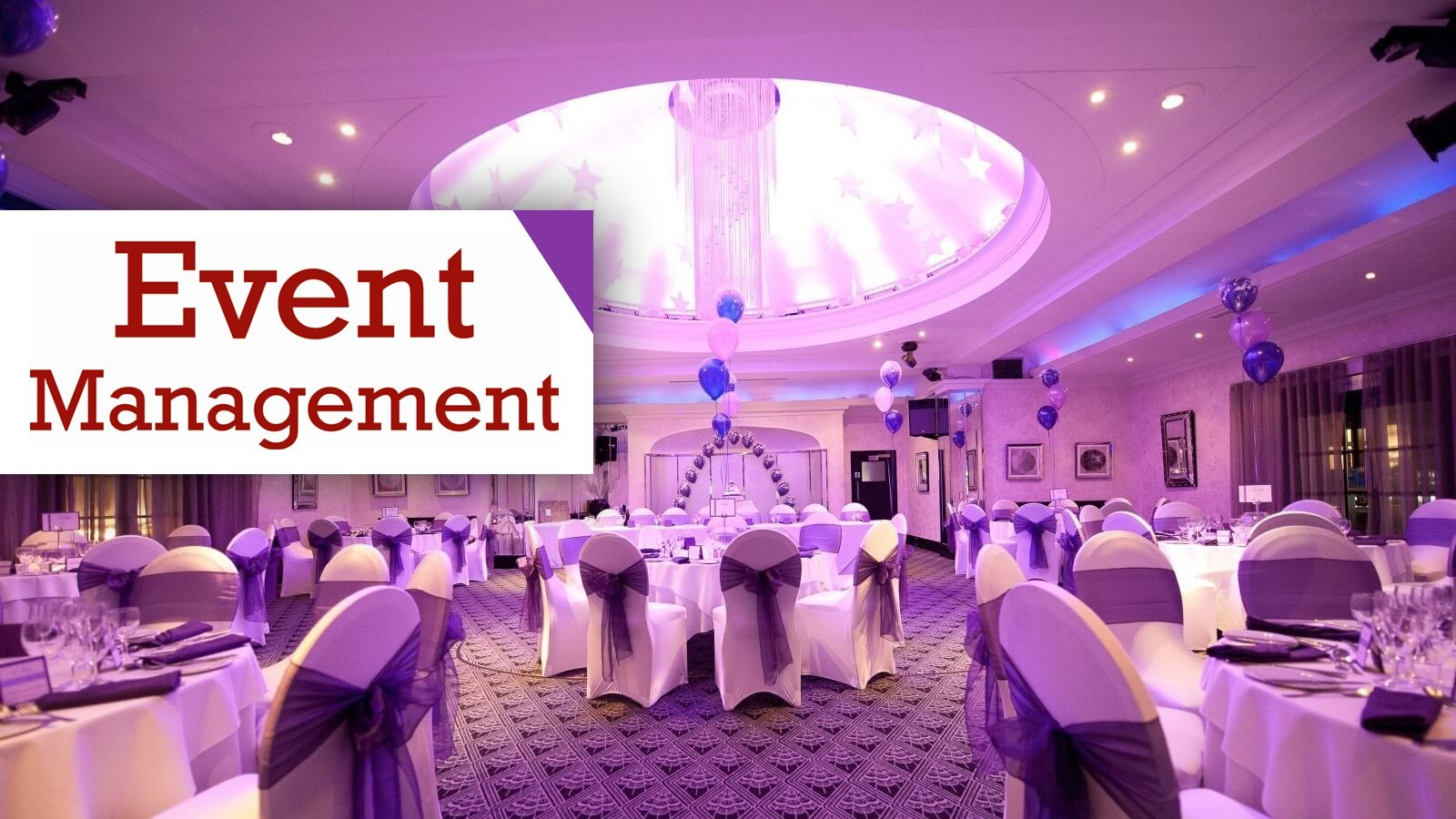
Event Management Buisness plan writing services in India
Launch a profitable event management business in India with a strategic business plan, financial roadmap, and growth strategy from Aviaan Accounting.
November 10, 2025
16 min read
COMMERCIAL EXCELLENCE
Loading...
Strategic guidance and institutional-grade solutions customized for your enterprise objectives.
Talk to a Financial Expert
Schedule a complimentary 30-minute discovery call to discuss your enterprise’s financial trajectory.
By submitting, you agree to our Privacy Policy.
Table of Contents
Starting an event management company in India takes more than creativity and a network of vendors. You need a clear service offering, reliable suppliers, effective project coordination, realistic pricing, and enough working capital to manage expenses before clients make their final payments.
A well-prepared event management business plan turns your idea into a structured business model. Whether you plan corporate events, weddings, private parties, exhibitions, conferences, or concerts, your plan should explain how you will win clients, deliver events, manage budgets, and earn a sustainable profit.
Clients, investors, lenders, and business partners may want to understand your service packages, target market, supplier arrangements, staffing, and financial projections before committing to a project or providing funding. A business plan helps bring these elements together.
Aviaan helps entrepreneurs prepare business plans and financial projections tailored to their business models. Visit Aviaan and explore our business plan writing service to plan your event venture.
Ready to turn your event business idea into a practical plan?Contact Aviaanto discuss your requirements.
India's Event Management Market Overview: Corporate Events, Weddings and Celebrations
India's event sector serves businesses, families, institutions, associations, brands, and entertainment organisers. Opportunities range from small private celebrations to corporate conferences, exhibitions, weddings, product launches, concerts, and large public events.
The market for an individual event company depends on its location, service specialisation, customer relationships, venue access, vendor network, and ability to deliver within budget. There is no single official market-size figure that captures every event management segment. Entrepreneurs should assess demand for their specific services instead of relying on an unsupported national market estimate.
Your research should distinguish between the overall event industry, the customers you can realistically reach, and the events your team can deliver profitably.
Assess these 17 factors when developing your event planning business:
Market size: Define the market by event category, client type, service area, and typical project size. Use verified public-sector information where relevant, then support your commercial opportunity with local customer research and competitor analysis.
Customer demand: Identify demand from businesses, wedding clients, families, educational institutions, associations, and entertainment organisers. Research booking patterns, event frequency, budgets, and the services customers expect from an event partner.
Target customers: Decide whether you will focus on corporate clients, wedding families, small businesses, large brands, private celebrations, or public events. A clearly defined audience makes it easier to design relevant packages and develop a focused sales strategy.
Competition: Review local event agencies, wedding planners, independent coordinators, production companies, and specialist vendors. Compare their service offerings, portfolios, positioning, client reviews, pricing approach, and ability to manage events of different sizes.
Service mix: Decide whether you will offer end-to-end event planning, event coordination, venue sourcing, décor, production, guest management, entertainment booking, or selected services. Each additional service changes the skills, staffing, supplier relationships, and financial exposure required.
Pricing and revenue: Develop pricing methods such as fixed project fees, management fees, service packages, or clearly defined commissions where appropriate. Separate professional fees from third-party expenses so clients understand what they are paying for and the business can track its margins.
Venues and suppliers: Build relationships with venues, caterers, decorators, audiovisual providers, photographers, entertainers, transport providers, and other relevant vendors. Compare availability, service quality, payment terms, cancellation policies, and backup arrangements.
Event budgets: Estimate costs for each event category, including venue hire, equipment, décor, food, staffing, logistics, permissions, and contingency reserves where applicable. Budget controls are essential because small cost overruns can reduce the margin on a fixed-price project.
Seasonality and booking cycles: Identify periods when weddings, corporate functions, festivals, conferences, or private celebrations may generate stronger demand. Plan sales activity and cash reserves around your actual customer pipeline rather than assuming a constant flow of events.
Staffing and coordination: Plan the roles required for client servicing, planning, vendor coordination, production, logistics, and on-site supervision. Decide which activities need permanent employees and which can be assigned to trained freelancers or specialist suppliers.
Marketing and sales: Select appropriate channels such as a company website, referrals, partnerships, business networking, social media, and direct outreach. Track inquiries, proposals, conversion rates, average project value, and repeat business to assess marketing performance.
Technology and event tools: Evaluate tools for project management, guest registration, ticketing, budgeting, vendor communication, invitations, and event schedules. Choose systems that reduce coordination errors and provide clear visibility over tasks and costs.
Registrations and permissions: Determine the business registrations, tax obligations, contracts, and event-specific permissions applicable to your activities. Events involving public venues, amplified sound, temporary structures, food, alcohol, or large gatherings may require additional checks with relevant authorities.
Startup investment: Estimate costs for equipment, computers, software, branding, marketing, deposits, staff, transport, and working capital. Your capital needs will vary depending on whether you own production equipment or outsource most technical services.
Operating costs and margins: Forecast salaries, software, office expenses, travel, marketing, insurance, and other recurring overheads. Calculate contribution margins by event type and account for management time, revisions, overtime, and unexpected vendor costs.
Cash flow and payment terms: Establish deposit schedules, milestone payments, cancellation terms, supplier payment deadlines, and a process for collecting overdue invoices. Events can create cash pressure when vendors require advance payments but clients settle balances only after delivery.
Risks and growth: Assess cancellations, weather disruption, vendor failure, equipment problems, client changes, safety issues, and reputational damage. Set contingency procedures and expand only when your team and finances can support additional projects.
Event businesses may operate in cities such as Surat, Lucknow, Mumbai, Delhi NCR, Bengaluru, Hyderabad, Jaipur, and Chennai. These are examples, not a ranking of market demand. A focused event management business plan India should explain which clients the company will serve, what events it can deliver, and how it will compete in its chosen market.
Why You Need a Professional Event Management Business Plan
A professional event company business plan helps you connect your creative offering with the commercial processes required to run a reliable company. It explains how you will acquire clients, manage projects, price your services, and maintain financial control.
A plan can support several audiences:
First-time entrepreneurs: Understand startup expenses, service packages, vendor requirements, staffing, and the working capital needed to deliver early projects.
Existing event planners: Evaluate new service lines, corporate contracts, larger events, additional staff, or expansion into another city.
Corporate event agencies: Present a structured approach to project delivery, account management, supplier selection, budgeting, and financial performance.
Wedding and party planners: Plan seasonal sales, vendor relationships, package pricing, deposits, and client communication.
Investors and lenders: Review the business model, investment requirement, projected revenue, operating expenses, and risks.
A tailored plan is especially useful for five reasons:
Clear service positioning: Define the events you specialise in and explain why your target customers should choose your company.
More accurate pricing: Account for supplier charges, labour, coordination time, transport, overheads, and contingency requirements before submitting proposals.
Better vendor control: Establish procurement processes, written agreements, payment milestones, and backup suppliers.
Stronger cash management: Align client deposits and milestone payments with supplier commitments and project expenses.
Measured growth: Assess whether new services or larger projects can generate sufficient contribution to cover additional staffing and operating costs.
An event can appear profitable when only the venue and vendor invoices are considered. However, planning hours, client revisions, transport, overtime, and general overhead can reduce the actual margin. A business plan helps you assess the full cost of delivering each project.
Build your event company around clear services and financial assumptions.Speak with Aviaanabout your business plan.
How to Write an Event Management Business Plan in India
To write an event management business plan in India, define your event specialisation, identify target clients, develop service packages, plan your vendor network, confirm applicable requirements, and prepare financial projections.
Define the business concept: Choose whether to focus on weddings, corporate events, parties, exhibitions, conferences, concerts, or a combination of services.
Research customers and competitors: Identify target clients, assess their event needs and budgets, and compare competing agencies, specialist suppliers, and local service providers.
Set your services and pricing: Define service packages, planning fees, coordination responsibilities, optional add-ons, and how third-party expenses will be quoted and approved.
Plan suppliers and operations: Select vendors, define procurement procedures, prepare event timelines, allocate staff, and establish contingency arrangements for critical services.
Check registrations and permissions: Identify the applicable business, tax, contractual, venue, safety, and event-specific requirements for the services you intend to provide.
Prepare financial forecasts and funding needs: Estimate startup costs, recurring overheads, event revenue, direct project costs, working capital, cash flow, and break-even requirements.
Write the executive summary last: Summarise the business concept, target clients, service offering, competitive approach, investment requirement, and financial outlook after completing the detailed plan.
Use actual vendor quotations, venue estimates, client discussions, and clearly documented assumptions to support your plan. Avoid treating potential inquiries as confirmed contracts or assuming that every proposed event will proceed.
How Aviaan Helps Event Management Businesses Plan and Grow
Aviaan helps event entrepreneurs organise their service strategy, operating model, and financial projections into a structured business plan. The work can be tailored to the type of events you intend to manage and the clients you want to serve.
Our support can include:
Business model development: Define your event categories, target customers, service packages, pricing methods, and sales strategy.
Event-focused financial projections: Model project revenue, vendor expenses, staff costs, equipment, marketing, overheads, and working capital.
Investment and funding analysis: Present startup costs, funding requirements, projected profit and loss, cash flow, balance sheet, break-even, and loan repayment analysis where relevant.
Operational planning: Structure the vendor network, project workflow, staffing requirements, budgeting procedures, and contingency planning around the proposed business model.
Our Simple 5-Step Process
Initial consultation: We discuss your event specialisation, target clients, business goals, startup position, and intended use of the plan.
Information gathering: We collect available details about service packages, pricing, vendor costs, staffing, marketing, funding, and expected project volumes.
Plan and financial model: We develop the business plan and financial projections using the information and assumptions agreed for your project.
Review and revisions: We review the draft with you, clarify assumptions, and make agreed changes to the business plan and financial model.
Final delivery: We provide the agreed business plan and supporting materials in the specified format.
The final scope depends on your requirements and the information available. Financial projections are estimates, not guarantees of client bookings, revenue, profitability, or funding approval.
What Aviaan’s Event Management Business Plan Includes
An event management business plan should explain how the company will attract clients, plan and deliver events, manage suppliers, control costs, and generate sustainable revenue. Aviaan can help structure the following ten components around your business model.
Executive summary: An overview of the business concept, target clients, event categories, service offering, competitive strengths, investment requirement, and commercial goals.
Company profile and ownership: Business structure, ownership details, founder background, management responsibilities, and relevant event planning or operational experience.
Market demand and customers: Target client segments, local demand research, competitor assessment, buying behaviour, potential contract sources, and evidence supporting revenue assumptions.
Services and pricing: Event planning, coordination, production, vendor management, venue sourcing, guest services, package structure, fees, and additional revenue opportunities.
Suppliers and partners: Venues, caterers, decorators, audiovisual providers, entertainment suppliers, photographers, transport partners, freelancers, and backup vendors.
Operations and staffing: Client onboarding, event briefs, timelines, budget approval, procurement, project management, staff allocation, on-site coordination, and post-event reviews.
Event-specific requirements: Venue conditions, production needs, audience size, technical equipment, crowd management, accessibility, food service, and other requirements relevant to the planned events.
Regulatory roadmap: Applicable business registrations, tax obligations, contracts, local permissions, venue requirements, and any event-specific approvals that may be needed.
Detailed financial projections: Startup costs, funding sources, project pricing, event volumes, direct costs, operating margins, cash flow, projected profit and loss, balance sheet, break-even, and loan repayment analysis where applicable.
Risk assessment and controls: Cancellations, weather disruption, vendor failure, budget overruns, client changes, equipment issues, safety concerns, and contingency arrangements.
The content should reflect your specialisation. A corporate event business plan may focus on business development, repeat contracts, conference logistics, brand requirements, and account management. A wedding planning business plan may focus on client packages, seasonal demand, venue partnerships, supplier coordination, and payment milestones.
An exhibition management business plan should address exhibitor acquisition, floor planning, venue arrangements, stand contractors, registration, and event-day operations. A concert event business plan may require particular attention to production costs, ticket revenue assumptions, artist and venue contracts, crowd safety, and cancellation exposure.
An event production business plan should explain equipment needs, technical staffing, supplier arrangements, and the choice between owning and renting equipment. An event coordination business plan should define the boundaries of the coordination service and distinguish its fees from costs paid to third parties.
Request a fixed-fee proposal from Aviaan based on your event company's scope and planning requirements.
Case Study —Wedding Planning Business Plan for Surat
An entrepreneur in Surat wants to establish a wedding planning company offering vendor coordination, event scheduling, décor management, guest logistics, and on-site supervision. The proposed business will initially focus on a limited number of weddings rather than accepting every type of event.
Problem
The founder has received informal inquiries but has not developed a consistent pricing structure. Some potential clients expect a fixed planning fee, while others request complete packages that include venue arrangements, décor, catering, entertainment, and guest services.
The founder needs to understand which expenses belong to the planning company, which should be contracted directly by the client, and how to manage supplier deposits without putting the business under cash pressure.
Without a structured wedding planning business plan India, the founder risks underpricing services, accepting projects beyond the team's capacity, or treating unconfirmed inquiries as reliable revenue.
Solution
A tailored plan would address five priorities:
Target client definition: Identify the types of weddings, budgets, and service levels the company intends to serve.
Service and pricing structure: Separate planning fees from supplier expenses and define what each package includes.
Vendor network: Establish a process for selecting venues, caterers, decorators, photographers, and other suppliers, including backup arrangements.
Financial planning: Forecast event revenue, direct costs, staffing, overheads, deposits, payment milestones, and working capital.
Delivery and risk controls: Create event timelines, approval procedures, change management processes, and contingency plans.
Result
The intended outcome is a clearer commercial model and a more consistent approach to evaluating client inquiries. The founder can assess whether proposed fees cover planning effort and overheads, determine how many projects the team can manage, and identify the funding needed to operate. Actual business results would depend on confirmed bookings, negotiated supplier terms, and real costs.
Real-World Example — Event Company in Lucknow
Assume the company completes four events in a typical month, earning an average management fee of ₹1,50,000 per event. Direct event coordination expenses are assumed to equal 40% of management fee revenue, and monthly fixed overheads are assumed to be ₹2,10,000.
Monthly revenue: Four events × ₹1,50,000 = ₹6,00,000.
Variable costs and contribution margin: Variable costs are assumed to be ₹2,40,000, leaving a contribution of ₹3,60,000. The contribution margin ratio is 60%.
Fixed monthly costs: ₹2,10,000 for costs treated as fixed in this example, such as core salaries, office expenses, software, and ongoing marketing.
Break-even sales: ₹2,10,000 ÷ 60% = ₹3,50,000 per month.
Formula: Break-even sales = Fixed Costs ÷ Contribution Margin Ratio
Under these assumptions, break-even revenue is ₹3,50,000 per month. At an average management fee of ₹1,50,000 per event and the same contribution margin, the company would need approximately 2.34 events' worth of monthly revenue to cover the stated fixed costs. In practice, event numbers are whole projects, and their size and margins may vary.
Now consider a risk: the company offers discounts to win business, reducing its contribution margin ratio from 60% to 45%. With fixed costs unchanged, break-even sales rise to ₹2,10,000 ÷ 45% = approximately ₹4,66,667 per month.
This demonstrates why an event planning business plan India should test different fee levels, project volumes, supplier costs, and payment schedules. It should also separate the company's own revenue from supplier payments that it merely coordinates or passes through, so the financial model reflects the actual business economics.
Frequently Asked Questions
1. What is an event management business plan?
An event management business plan explains the services your company will provide, target clients, pricing, supplier arrangements, operations, marketing, startup costs, and financial projections. It helps assess commercial viability and gives potential lenders or partners a structured view of the business.
2. How much investment is needed to start an event management company in India?
Investment depends on the services offered, equipment ownership, office setup, staffing, software, marketing, and working capital. A business that outsources production will have a different cost structure from one that owns equipment or maintains a large permanent team.
3. How do I start an event planning business in India?
Choose your event specialisation, research potential clients, develop service packages, establish supplier relationships, and estimate startup costs. Confirm applicable business and event-related requirements, then prepare a business plan and financial forecast before taking on major commitments.
4. Which event management business is suitable for a startup?
A startup may focus on small corporate events, private parties, wedding coordination, conferences, or selected event support services. The suitable option depends on your experience, network, available capital, local demand, and ability to deliver events reliably within the agreed budget.
5. What should a corporate event business plan include?
It should cover target business clients, event services, sales strategy, pricing, venue and vendor partnerships, project workflows, staffing, revenue assumptions, costs, and cash flow. It should also explain how the company will manage client requirements, deadlines, and last-minute changes.
6. What registrations and permissions are required for an event management company?
Requirements depend on the business structure, location, services, venue, and event type. You may need applicable business and tax registrations, contracts, and event-specific permissions. Confirm requirements with the relevant authorities and venue operators before delivering each event.
7. How can a wedding planning business manage seasonal demand and cash flow?
Plan sales activity around the booking patterns of your target customers, track deposits and milestone payments, and align supplier commitments with client receipts. Maintain working capital for quieter periods and avoid treating tentative inquiries as confirmed revenue.
8. How much does company charge for an event management business plan?
Aviaan can propose a fixed fee after an initial consultation to understand your event categories, startup stage, financial requirements, and intended use of the plan. The scope and fee should be agreed before work begins. Contact Aviaan to discuss your project.
Conclusion
A well-prepared event management business plan helps you define your services, price projects, organise suppliers, manage event risks, and forecast cash flow before expanding your company. Aviaan can help structure your business strategy and financial projections around the events you intend to deliver. Contact Aviaanfor a fixed-fee proposal, or email advisory@aviaanaccounting.com to discuss your requirements.
Talk to an Expert
Schedule a complimentary 30-minute discovery call to discuss your requirements.
Partner with Aviaan Advisory today to unlock your business’s full potential. Our team of experts is here to provide tailored solutions and guide you every step of the way.