
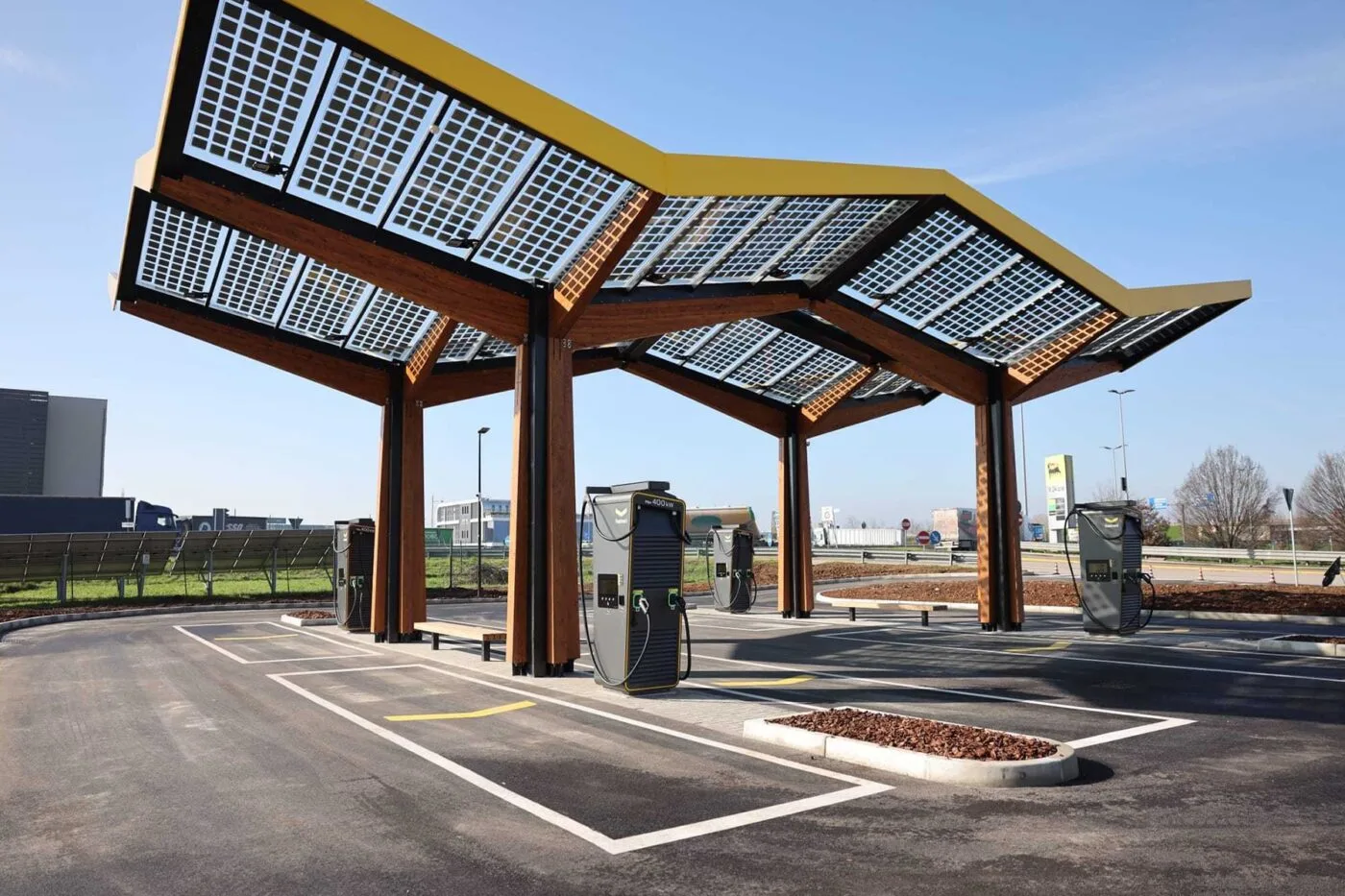
EV Charging Station Buisness plan writing services in India

Launch a profitable EV charging station business in India with expert planning, market insights, and financial strategy from Aviaan Accounting.
COMMERCIAL EXCELLENCE

Loading...

Strategic guidance and institutional-grade solutions customized for your enterprise objectives.

Business Plan for EV Charging Stations in India

Talk to a Financial Expert

Schedule a complimentary 30-minute discovery call to discuss your enterprise’s financial trajectory.
By submitting, you agree to our Privacy Policy.

Table of Contents

Setting up an electric vehicle charging station requires more than purchasing chargers and securing a site. Entrepreneurs must assess vehicle traffic, charging demand, grid capacity, installation costs, electricity tariffs, equipment reliability and the time needed to build a regular customer base.

A well-prepared EV charging station business plan connects these decisions in one practical document. It describes the business model, target users, site strategy, charger mix, capital expenditure, operating costs, revenue assumptions and financial projections.

A structured plan can help when discussing funding with lenders or investors, evaluating a site partnership or planning a network of charging locations. It also allows founders to test how charger utilisation, electricity costs, pricing and maintenance affect cash flow.

Aviaan prepares business plans tailored to infrastructure ventures, including public charging stations, commercial charging facilities, fast-charging sites and multi-location networks. Explore our business plan writing services and learn more about Aviaan. Discuss your EV charging station business plan with Aviaan.
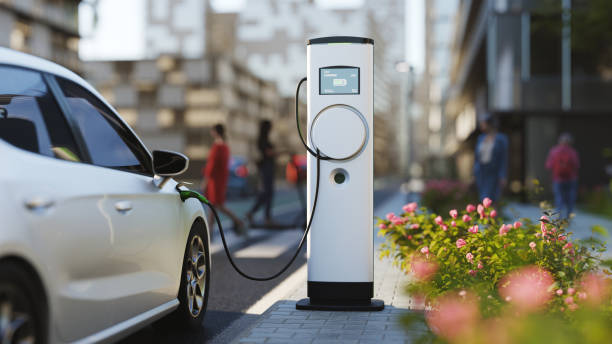
EV Charging Station Buisness plan writing services in India

Understanding the EV Charging Market Overview in India

India’s electric mobility ecosystem includes private electric vehicles, commercial fleets, electric two-wheelers, three-wheelers, buses and other vehicle categories. Charging demand varies with vehicle type, battery capacity, daily travel patterns, access to home or workplace charging and the availability of public infrastructure.

Charging businesses can follow several models. A public charging station may serve different drivers throughout the day, while a commercial facility may focus on fleet customers with recurring usage. Fast-charging sites can support shorter charging stops but may require greater electrical capacity and investment than some slower-charging installations.

Entrepreneurs should assess the intended customer base and local conditions rather than assume that the presence of electric vehicles automatically makes a site commercially viable. Official sources such as the Ministry of Power, the Ministry of Heavy Industries and the Bureau of Energy Efficiency can help founders investigate relevant policy, energy and electric-mobility information. Verify the latest guidance and any applicable scheme conditions directly with the responsible authority.

The following 17 factors can help evaluate a charging station opportunity.

  • Local EV activity: Investigate the types and concentrations of electric vehicles operating in the proposed service area. Use available official transport information and local fleet discussions to establish a realistic demand picture.
  • Charging demand: Identify whether customers need destination charging, rapid charging, overnight charging or regular fleet charging. Match the proposed service to actual travel and parking patterns.
  • Target customer groups: Define whether the station will serve private drivers, taxis, delivery fleets, commercial vehicles or mixed users. Each group can have different charging schedules, price sensitivity and service expectations.
  • Site accessibility: Assess road access, visibility, safe entry and exit, parking arrangements and ease of finding the station. Consider whether vehicles can queue without obstructing other traffic.
  • Nearby amenities and destinations: Examine proximity to workplaces, shopping areas, hotels, highways, fleet depots and other destinations where drivers may park or wait. These features may influence site suitability but do not guarantee utilisation.
  • Charging technology: Choose charger types and power ratings based on compatible vehicles, expected dwell time, site capacity and the intended customer base. Confirm compatibility and installation requirements with qualified technical providers.
  • Electrical connection and capacity: Assess the available connection, sanctioned load, distribution infrastructure, upgrade requirements and potential connection lead times. Obtain technical assessments and cost estimates before finalising the investment.
  • Site acquisition costs: Compare land purchase, lease, revenue-sharing and partnership options. Include deposits, rent, civil works, access improvements and other site-related expenses in the financial model.
  • Electricity costs: Understand the applicable tariff structure, demand charges where relevant, connection terms and other charges. Confirm the actual tariff with the relevant distribution company instead of relying on generic assumptions.
  • Pricing model: Consider per-unit pricing, session-based charges or contract pricing where permitted and appropriate. Model revenue after electricity costs, payment fees and other variable expenses.
  • Charger utilisation: Estimate the share of available charging capacity that is used over time. A station can have technically capable equipment but still underperform if customer demand is insufficient.
  • Equipment suppliers and maintenance: Assess charger quality, warranties, spare parts, service coverage, software support and repair response times. Downtime can reduce revenue and undermine customer confidence.
  • Software and payments: Plan charger monitoring, customer access, billing, digital payments, remote diagnostics and usage reporting. Confirm how the selected systems integrate with the hardware and customer-facing services.
  • Safety and compliance: Identify applicable electrical safety, installation, fire safety, accessibility, building and other requirements. Verify the latest rules and technical standards with the relevant authorities and qualified professionals.
  • Operating and staffing costs: Estimate site supervision, cleaning, security, software, maintenance, connectivity, insurance and administration. The requirements will depend on the size and operating model of the facility.
  • Funding and working capital: Estimate equipment, installation, connection upgrades, civil works, deposits and cash reserves. Allow for a ramp-up period while charging utilisation develops.
  • Network expansion potential: Assess whether additional sites or chargers could serve adjacent demand areas. Expansion should be supported by usage data, site feasibility, grid capacity and a funding plan.

Entrepreneurs considering locations such as Hyderabad, Surat, Pune, Ahmedabad or Chennai should examine the specific site, electrical infrastructure, nearby EV users and charging alternatives. An EV charging station business plan in India should connect this evidence to charger selection, utilisation, pricing, operating costs and the funding required to establish the station.

Get a tailored EV charging station business plan from Aviaan.

Why You Need a Professional EV Charging Station Business Plan

EV charging infrastructure can require significant upfront investment before a station reaches regular utilisation. Equipment, electrical connections, site preparation and ongoing operating costs must be funded even when charging sessions are limited.

A professional EV charging company business plan helps founders evaluate the commercial viability of a proposed site or network before committing substantial capital. It also provides a structured explanation of the business model for potential investors, lenders, site owners and strategic partners.

A tailored plan can help you:

  • Estimate capital expenditure: Calculate charger costs, installation, electrical upgrades, civil works, site deposits, software and other setup expenses.
  • Assess site suitability: Compare expected customer demand with accessibility, available electrical capacity, lease costs and nearby charging alternatives.
  • Choose the charging model: Evaluate public charging, fleet-focused facilities, destination charging, fast charging or a combination of services.
  • Forecast utilisation and revenue: Estimate charging sessions, energy dispensed, average transaction value and potential revenue from additional services.
  • Understand operating costs: Account for electricity, demand-related charges where applicable, maintenance, software, staffing, payment processing and rent.
  • Prepare for funding discussions: Present the investment requirement, projected cash flow, funding sources and assumptions relevant to repayment.
  • Plan future network development: Determine when additional chargers or locations may be justified by actual demand and financial capacity.

An EV charging network business plan is especially important for businesses planning several locations. It can compare site-level economics, central operating costs, maintenance arrangements, network utilisation and the funding required to expand.

A business plan cannot guarantee charging demand, funding approval or profitability. It helps make the underlying assumptions visible so that entrepreneurs can evaluate the investment more carefully.

Discuss your EV charging infrastructure project with Aviaan.

How to Write an EV Charging Station Business Plan in India

To prepare a useful charging station startup business plan, define your charging model, assess local demand and site feasibility, confirm electrical requirements, estimate installation costs and build financial projections based on realistic charger utilisation and electricity expenses.

  1. Define the business concept: Decide whether you will operate a public charging station, commercial fleet facility, fast-charging site, destination charging location or multi-site network.
  2. Research demand and competition: Identify target EV users, nearby charging facilities, traffic patterns, fleet opportunities and likely charging needs in the proposed catchment area.
  3. Select the site and charging equipment: Assess access, parking, electrical capacity, charger compatibility, equipment power ratings and installation requirements with qualified technical providers.
  4. Plan suppliers and operations: Identify charger manufacturers, installers, maintenance partners, software providers, electricity suppliers and the operating procedures required to run the station.
  5. Verify approvals and compliance: Check applicable electricity connection requirements, electrical safety standards, site permissions, building rules and other relevant obligations with the appropriate authorities.
  6. Prepare financial projections and funding needs: Estimate capital expenditure, electricity costs, charging revenue, utilisation, maintenance, working capital, cash flow, break-even performance and proposed loan repayments.
  7. Write the executive summary last: Summarise the charging model, target customers, site strategy, investment requirement, financial outlook and growth objectives after the detailed plan is complete.

Use quotations and technical assessments wherever possible. A preliminary site may appear attractive but require expensive grid upgrades, making the project less viable than another location.

Financial forecasts should also show how the project performs at different utilisation levels. A station that covers its operating expenses at high usage may still require substantial working capital during the initial customer acquisition period.

Have Aviaan prepare your electric vehicle charging business plan.

How Aviaan Can Help Launch and Grow Your EV Charging Business

Aviaan helps entrepreneurs organise their EV charging concepts, investment requirements, operating assumptions and financial projections into a structured business plan. The plan can be tailored to a single charging station, a commercial charging facility or a planned network.

Our support can cover:

  • Project planning: Define the charging model, target customers, site strategy, equipment requirements and intended operating structure.
  • Infrastructure financial projections: Model equipment costs, installation expenditure, electricity expenses, charger utilisation, maintenance, rent and working capital.
  • Funding preparation: Present project costs, proposed funding sources, cash flow forecasts and relevant financial assumptions for discussions with lenders or investors.
  • Network development planning: Assess the financial and operating implications of adding chargers, developing new locations or serving additional customer segments.

A strong EV infrastructure business plan needs to connect technical decisions with commercial performance. Charger power, installation cost, available grid capacity, utilisation and electricity tariffs all influence the financial model.

For a public charging station, the plan may focus on customer access, charging sessions, pricing and utilisation. A fleet-focused facility may place greater emphasis on contracted demand, charging schedules and vehicle turnaround times. A fast-charging hub may need a closer assessment of electrical capacity, installation requirements and the relationship between higher investment and expected customer throughput.

Our Simple 5-Step Process

  1. Initial consultation: Discuss your project concept, intended locations, charging model, investment capacity and objectives.
  2. Information gathering: Collect available site details, equipment quotations, electricity assumptions, installation estimates and expected customer demand.
  3. Plan and financial model: Prepare the business plan and projections using clearly identified assumptions.
  4. Review and revisions: Review the draft with you and refine the document based on feedback and available evidence.
  5. Final delivery: Provide the agreed business plan and supporting financial information in the agreed format.

The scope and deliverables are confirmed before work begins. Technical engineering, electrical design, site approvals, legal advice and other specialist services should be obtained from appropriately qualified professionals where required.

Discuss your charging station project with Aviaan. You can also explore our business plan writing services.

What Aviaan’s EV Charging Station Business Plan Includes

An EV charging station business plan should explain how the proposed facility will attract charging customers, deliver reliable service, manage infrastructure costs and generate enough revenue to support its investment and operations. Aviaan can tailor the plan to your intended charging model and business objectives.

The plan can include these ten essential components:

  1. Executive summary: An overview of the project, charging model, target users, investment requirements and projected financial performance.
  2. Business profile and ownership: The proposed ownership structure, management responsibilities, business objectives and operating model.
  3. Market and customer analysis: An assessment of local EV activity, target customers, nearby charging alternatives, potential fleet users and demand assumptions.
  4. Charging services and pricing: The planned charger types, charging options, pricing assumptions, customer segments and potential supplementary services.
  5. Suppliers and strategic partners: Details of equipment providers, installers, maintenance partners, site owners, software vendors and other relevant service providers.
  6. Site operations and staffing: Site access, customer support, operating hours, safety procedures, maintenance schedules, staffing and operational responsibilities.
  7. Technology and infrastructure: Charger specifications, electrical connection requirements, monitoring systems, payment systems, network connectivity and equipment maintenance arrangements.
  8. Regulatory and implementation roadmap: A checklist of relevant site, electricity, electrical safety, building and other requirements to verify with the appropriate authorities and technical advisers.
  9. Detailed financial projections: Project cost, equipment and installation expenditure, funding sources, working capital, charging revenue, electricity costs, maintenance, operating expenses, cash flow, profit and loss, balance sheet, break-even analysis and loan repayment assumptions where relevant.
  10. Risk assessment and mitigation: An assessment of low utilisation, grid upgrade costs, equipment downtime, electricity price changes, delayed approvals, site access issues and funding constraints.

The components should reflect the proposed facility. A public charging station business plan may emphasise accessibility, customer acquisition, charging sessions and site utilisation. A commercial EV charging business plan may focus on fleet contracts, vehicle schedules, charging demand and service availability.

A fast charging station business plan should evaluate the investment required for higher-power equipment, electrical capacity, installation and maintenance. The projected revenue must be consistent with the number of vehicles the site can realistically serve, not simply the maximum technical power rating of the chargers.

An EV charging hub business plan may cover multiple chargers, site layout, customer facilities, shared infrastructure and potential expansion. For an EV charging network business plan, the model should also consider site selection criteria, central software, common operating procedures, network-wide reporting and the funding required to add locations.

A charging network development business plan should distinguish between the economics of individual sites and the costs shared across the wider network. This helps founders identify which locations support the overall business and which may require changes to their operating model.

The financial projections should use actual equipment and installation quotations wherever possible. Clearly label assumptions that still require validation, particularly for utilisation, electricity costs, customer growth and the timing of new site openings.

Request a fixed-fee proposal for your EV charging business plan.

Case Study: Planning a Public EV Charging Station in Hyderabad

Problem

An entrepreneur is considering developing a public EV charging station in Hyderabad. The proposed site would offer charging for compatible electric cars, with the possibility of adding more chargers as demand grows.

The entrepreneur has identified a potential site but needs to assess the cost of equipment, installation, electrical connection, lease arrangements and ongoing operations. The owner also wants a structured business plan for discussions with a potential funding partner.

The central concern is whether expected charging demand can support the investment, particularly during the early months when customer utilisation may be limited.

Solution

A tailored EV charging station business plan could address five areas:

  • Evaluate the site: Assess accessibility, parking, nearby destinations, competing chargers and potential customer segments.
  • Assess infrastructure requirements: Obtain technical information on electrical capacity, connection requirements, charger specifications and installation costs.
  • Define the charging model: Determine the intended customer groups, charging options, pricing approach and operating arrangements.
  • Build the financial model: Estimate capital expenditure, energy costs, maintenance, software, rent, charging revenue and working capital.
  • Test risk scenarios: Model slower customer adoption, higher installation costs, equipment downtime and changes in electricity expenses.

The model would compare the expected economics of the proposed site with alternative utilisation assumptions. It would also identify which estimates require further technical or commercial validation.

Result

The intended outcome is a structured decision-making document that helps the entrepreneur evaluate the proposed investment, identify key project risks and prepare for funding discussions. It can also highlight the site assessments, equipment quotations and approvals that need to be completed before proceeding.

Any decision to invest would depend on verified site conditions, actual installation costs, applicable requirements and the owner’s available funding.

Ask Aviaan to help plan your EV charging station project.

Real-World Example: EV Charging Station Financial Planning in Surat

Consider an entrepreneur planning a small public charging facility in Surat. The proposed station would offer charging services to compatible electric cars and other vehicles supported by the selected equipment.

Before committing to the project, the entrepreneur wants to estimate the monthly charging revenue required to cover operating expenses.

The following figures illustrate how a financial model can connect charging revenue with electricity costs and fixed overheads.

  • monthly revenue: ₹4,00,000 from charging services, based on assumed charging volumes and realised prices.
  • variable costs: ₹1,80,000 per month for electricity and other usage-linked expenses included in the model. This represents 45% of revenue.
  • Contribution margin: ₹2,20,000, or 55% of revenue, after deducting the stated variable costs.
  • fixed costs: ₹1,65,000 per month for assumed site rent, software, staffing, maintenance provisions, insurance and other recurring expenses included in the model.

Using these assumptions, the break-even calculation is:

Break-even sales = Fixed Costs Ă· Contribution Margin Ratio

Break-even sales = ₹1,65,000 ÷ 0.55 = ₹3,00,000 per month

Under this simplified model, the charging station would need monthly revenue of approximately ₹3,00,000 to cover the stated fixed and variable costs.

At assumed monthly revenue of ₹4,00,000, the contribution after variable costs would be ₹2,20,000. Deducting fixed costs of ₹1,65,000 leaves an illustrative operating surplus of ₹55,000 before financing costs, depreciation, tax and expenses omitted from the model.

This is not a full project profitability forecast. The actual result would depend on charger utilisation, realised charging prices, the applicable electricity tariff, demand-related charges where relevant, maintenance, equipment downtime and financing arrangements.

What If Charging Utilisation Is Lower Than Expected?

If fewer vehicles use the station, monthly revenue may fall below the break-even level while site rent and other fixed expenses continue. A delay in electrical connection or a major equipment fault could also postpone revenue or reduce the number of available charging sessions.

An EV charging operations business plan can help the owner test alternative utilisation levels, estimate working capital requirements and compare the impact of different pricing and cost assumptions. It can also help assess whether to install the full planned capacity immediately or consider a phased approach, subject to technical feasibility and commercial requirements.

Get a financial model tailored to your EV charging project.

Frequently Asked Questions

1. What is an EV charging station business plan?

An EV charging station business plan explains the proposed charging model, target customers, site requirements, equipment, investment, operating costs and financial projections. It helps founders evaluate commercial viability and present the project to lenders, investors, site owners or strategic partners.

2. How much investment is needed to start an EV charging station in India?

Investment depends on charger type and number, electrical connection capacity, site costs, installation work, software and working capital. Obtain equipment quotations and a site-specific technical assessment before estimating the total project cost or deciding how much funding to raise.

3. How do I start an EV charging station business in India?

Choose a charging model, research demand, assess potential sites and confirm electrical capacity. Estimate equipment and installation costs, verify applicable requirements, identify suppliers and prepare financial projections before committing to a site or purchasing chargers.

4. How do I prepare a charging station startup business plan?

Define the target customers and charging services, assess local competition, select suitable equipment and evaluate site costs. Then estimate capital expenditure, electricity expenses, utilisation, charging revenue, maintenance, working capital and break-even performance using clearly identified assumptions.

5. Is an EV charging station business profitable?

Profitability depends on charging utilisation, realised prices, electricity costs, equipment investment, maintenance, site rent and financing. A station may struggle if usage remains low, even when its chargers are technically capable of serving many vehicles. Model several demand scenarios before investing.

6. What should an EV charging network business plan include?

It should cover site selection, charger specifications, electrical infrastructure, customer demand, pricing, network software, maintenance, operating costs and financial projections. For multiple sites, assess individual location economics alongside shared network costs and the capital required for expansion.

7. What approvals are needed for an EV charging station in India?

Requirements depend on the site, equipment, electrical connection and operating arrangement. Relevant considerations may include electricity connection conditions, electrical safety, building or land-use permissions and applicable technical requirements. Confirm the current rules with the relevant authorities and qualified professionals.

8. How much does company charge for an EV charging station business plan?

Aviaan can discuss a fixed-fee proposal after an initial consultation. The fee depends on project scope, site or network complexity, financial modelling requirements and intended use of the plan. Contact the team to explain your project and confirm the deliverables before work begins.

Conclusion

Launching an EV charging facility requires careful planning of site selection, equipment, electrical capacity, charging prices, utilisation and working capital. A tailored EV charging station business plan in India brings these decisions together, helps assess the proposed investment and tests whether expected charging revenue can support the project’s costs. Aviaan can help prepare a structured business plan with financial projections suited to your charging model and objectives. Contact Aviaan to discuss your EV charging station business plan or email advisory@aviaanaccounting.com to enquire about a fixed-fee proposal.

Talk to an Expert

Schedule a complimentary 30-minute discovery call to discuss your requirements.

By submitting, you agree to our Privacy Policy.

Table of Contents

Need Immediate Help?

Our advisory team is ready to assist you.

Let's Build Your Business Success Together

Our senior partners are available to evaluate your current financial structure and identify opportunities for optimization and risk reduction.

Sector Expertise

Our advisory assignments span a wide range of industries, including:

Healthcare
Hospitality
Restaurants & F&B
Retail
Technology & SaaS
Fintech
Real Estate
Manufacturing
Logistics
Education
Automotive
Consumer Products
Professional Services
Renewable Energy
E-commerce
Beauty & Wellness

Each sector requires different demand drivers, economics, competitive factors and valuation considerations. Our analysis is structured accordingly.

Industries We Serve

Tailored financial strategies for specialized sectors.

Real Estate

Healthcare

Manufacturing

Technology

Retail & E comm

Logistics

Services Offered by Aviaan

Feasibility Study

Independent verification of financial statements to ensure transparency and trust.

Business Plan

A comprehensive analysis to evaluate the commercial, technical, and financial viability of a proposed business or project before investment.

Business Valuation

An objective assessment of a company, asset, or investment to determine its fair market value for transactions, reporting, or strategic decisions.

Due Diligence

A detailed financial review to assess risks, validate performance, and ensure informed decision-making in transactions.

Accounting

End-to-end financial recording, reporting, and compliance services to maintain accurate books and support business decision-making.

Market Research

Launching a new venture, expanding into a new geography, raising capital, or entering a new segment, robust market research is critical.

Need Immediate Help?

Our advisory team is ready to assist you with your urgent financial queries.

Services Offered by Aviaan

Feasibility Study

Independent verification of financial statements to ensure transparency and trust.

LEARN MORE →

Business Plan

A comprehensive analysis to evaluate the commercial, technical, and financial viability of a proposed business or project before investment.

LEARN MORE →

Business Valuation

An objective assessment of a company, asset, or investment to determine its fair market value for transactions, reporting, or strategic decisions.

LEARN MORE →

Due Diligence

A detailed financial review to assess risks, validate performance, and ensure informed decision-making in transactions.

LEARN MORE →

Accounting

End-to-end financial recording, reporting, and compliance services to maintain accurate books and support business decision-making.

LEARN MORE →

Market Research

Launching a new venture, expanding into a new geography, raising capital, or entering a new segment, robust market research is critical.

LEARN MORE →

Ready to Speak with an Expert?

Partner with Aviaan Advisory today to unlock your business’s full potential. Our team of experts is here
to provide tailored solutions and guide you every step of the way.

