


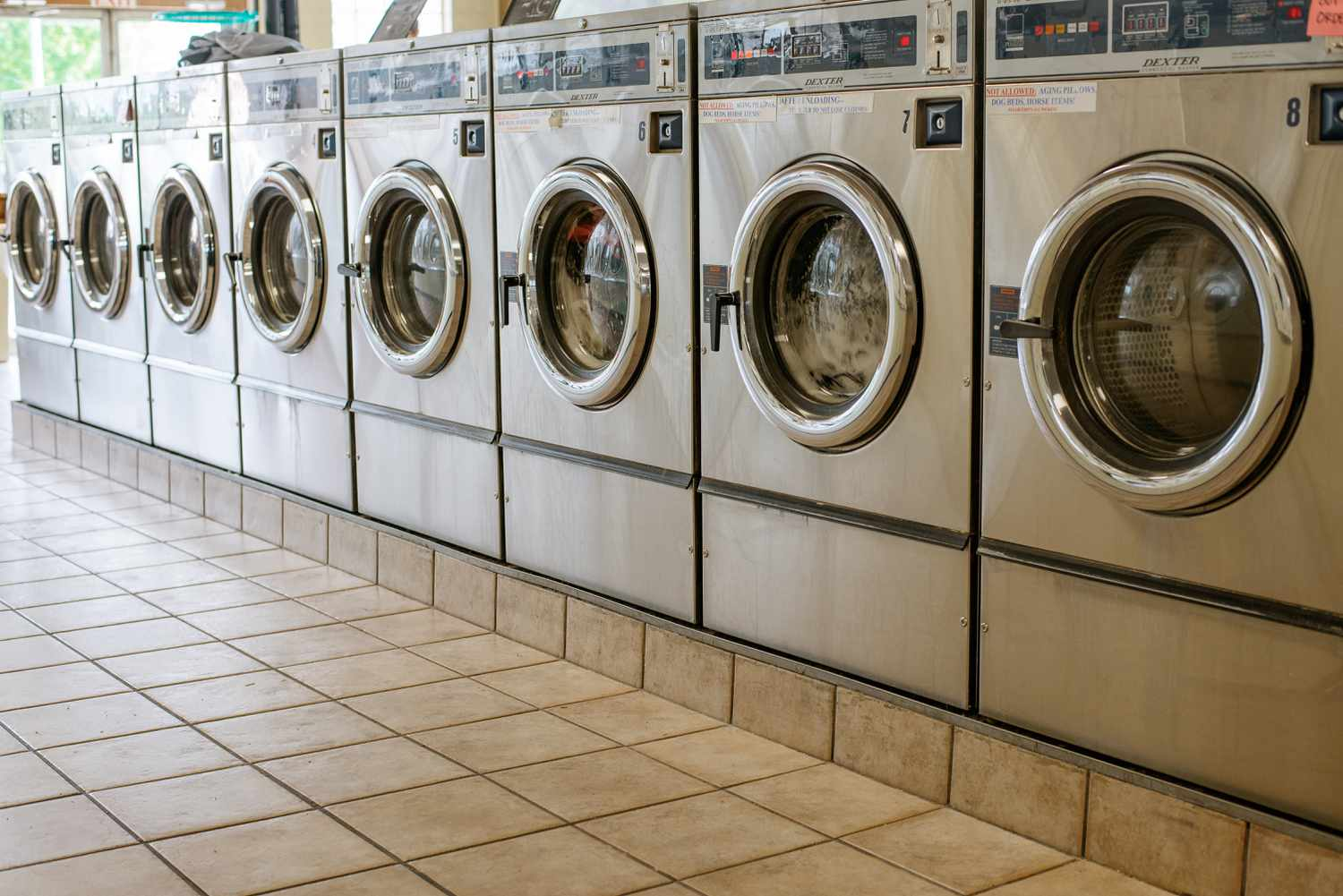
India’s dry cleaning and laundry sector is becoming more organized, technology-enabled, and convenience-led. Urban customers increasingly expect doorstep pickup, digital tracking, faster turnaround, garment specialization, and reliable service quality. Industry research also points to growing adoption of digital booking, RFID/barcode tracking, on-demand models, and more sustainable cleaning practices.
That evolution creates opportunity for owners considering expansion, investors assessing a target, and entrepreneurs planning a dry cleaning business acquisition. But a reported profit figure rarely tells the full story. Customer concentration, owner-dependent operations, machine age, lease terms, delivery economics, unrecorded cash sales, and maintenance capex can materially change enterprise value.
Aviaan supports these decisions through Business Valuation Services that combine financial analysis, normalized earnings, industry benchmarking, cash-flow modeling, and transaction-focused due diligence.

Aviaan approaches Business Valuation & FDD for Dry Cleaners in India as two connected questions: what is the business worth, and how reliable are the earnings supporting that value? A valuation without financial due diligence can build a sophisticated model on unreliable inputs.
The value is primarily driven by sustainable earnings, cash generation, customer quality, operating assets, growth prospects, and transaction risk—not simply annual revenue.
For a typical dry cleaner, the analysis begins with revenue by service line. This may include dry cleaning, washing, ironing, stain treatment, shoe or bag care, alterations, subscription plans, institutional contracts, and pickup-and-delivery services.
Aviaan then examines normalized EBITDA. Owner salary, personal expenses, one-time repairs, unusual discounts, related-party transactions, and non-recurring costs may require adjustments. The objective is to estimate the earnings a buyer could reasonably expect after taking over.
A useful valuation framework considers:
For companies, financial statements also need to be understood within the applicable accounting framework. The Companies Act, 2013 requires companies to maintain books and prepare financial statements that give a true and fair view, subject to applicable accounting standards and Schedule III requirements.
The result should normally be a defensible valuation range rather than an artificially precise number.
Aviaan’s FDD process tests whether reported profitability represents sustainable operating performance. This is particularly important in dry cleaning because accounting EBITDA can be distorted by owner involvement, cash transactions, irregular maintenance, delivery costs, and inconsistent expense classification.
Financial due diligence reconciles reported EBITDA to normalized EBITDA by testing revenue quality, operating expenses, working capital, cash flows, and unusual items.
For example, suppose a dry cleaner reports ₹50 lakh of EBITDA. During FDD, the buyer discovers that the owner personally manages procurement and operations without a market-based management cost. The buyer may need to factor replacement management costs into normalized earnings.
Aviaan's dry cleaner FDD typically examines:
The analysis is especially valuable where the target operates multiple outlets. A profitable flagship store can conceal underperforming branches, while central processing may make individual outlet economics difficult to interpret.
A laundry business is not purely an intangible service business. Plant and machinery can represent a significant portion of invested capital, while location and lease rights can materially influence future cash flows.
Aviaan therefore connects financial analysis with operational and commercial diligence instead of valuing the company from the income statement alone.
A buyer should verify the asset base, leases, customer contracts, regulatory records, tax position, operating processes, technology, and environmental or safety considerations before finalizing the transaction.
Machine age matters because apparently profitable operations can require substantial replacement capex. The review should cover dry-cleaning machines, washers, dryers, boilers, ironing and pressing equipment, generators, water-treatment systems, POS systems, and delivery vehicles.
Tax and accounting treatment also deserves attention. The Income Tax Department confirms that depreciation applies to eligible business assets such as buildings, machinery, plant, and furniture, subject to prescribed rules.
For GST, CBIC's published rate schedule places washing, cleaning and dyeing services under Heading 9997 with an 18% GST rate in the listed category. The precise treatment should still be checked against the target's actual services and current notifications.
Operational diligence should also examine cleaning processes and quality controls. BIS resources include standards and testing references relevant to textile cleaning and dry-cleaning processes, making documented quality procedures an important part of a professional review.
For MSME targets, Udyam status can also matter. From April 2025, India's official Udyam framework classifies micro, small, and medium enterprises using revised investment and turnover thresholds.
Aviaan's valuation approach combines the financial evidence from FDD with market and strategic considerations. The right methodology depends on the company's maturity, profitability, asset intensity, and transaction objective.
A blended approach is usually more useful than relying on a single multiple, with income, market, and asset-based methods tested against the business's characteristics.
For an established and profitable operator, an income approach such as DCF or capitalization of maintainable earnings can capture expected future cash generation.
A market approach can compare relevant transaction or company multiples where sufficiently comparable data exists. EBITDA multiples should never be applied mechanically. A buyer should consider differences in scale, growth, margins, geography, customer mix, lease structure, and operational maturity.
An asset-based approach becomes more relevant where the business is asset-heavy, distressed, undergoing restructuring, or has substantial plant and equipment relative to earnings.
Aviaan's valuation work can therefore test:
| Valuation lens | What it helps answer |
|---|---|
| DCF / income approach | What are future cash flows worth today? |
| EBITDA / market multiples | How does the business compare with relevant market evidence? |
| Asset approach | What is the underlying value of operational assets? |
| Scenario analysis | How does value change under different growth and margin assumptions? |
For a dry cleaning business acquisition, sensitivity analysis is particularly useful. A model can test the impact of lower order volumes, higher electricity costs, wage inflation, rent increases, machine replacement, or loss of a major institutional customer.
India's organized laundry ecosystem is evolving toward digital ordering, centralized processing, doorstep logistics, specialization, and technology-enabled customer tracking.
That creates opportunities for consolidation, franchise expansion, regional platforms, and strategic acquisitions. It also means buyers must distinguish between genuine scalability and businesses that only appear scalable because the owner is doing critical work personally.
They help the buyer determine a realistic price, identify transaction risks, quantify required investment, and structure negotiations around verified financial performance.
For sellers, the same process can uncover weaknesses before buyers find them. Improving bookkeeping, documenting customer contracts, separating personal expenses, maintaining equipment records, and building branch-level profitability reporting can make the business easier to evaluate.
For entrepreneurs, laundry financial analysis can support expansion decisions by comparing store economics, centralized processing, delivery routes, capex, staffing, and expected returns.
Aviaan can combine:
Aviaan's financial due diligence methodology focuses on validating earnings, cash flow, working capital, liabilities, and valuation assumptions before a transaction.
Aviaan brings valuation and transaction analysis together rather than treating them as isolated exercises. Its published valuation methodology uses income, market, and asset-based approaches, with documented assumptions, financial modeling, and sensitivity analysis.
There is no universal price because valuation fees depend on business size, transaction complexity, financial records, and required reporting depth. A simple SME valuation requires less work than a multi-location acquisition involving FDD, detailed modeling, and transaction support.
Both can be considered, but sustainable EBITDA and cash flow usually provide a stronger basis for an established profitable business. Revenue multiples can be useful for benchmarking, but they can mislead when two businesses have very different margins or cost structures.
Yes, particularly when the purchase price depends on reported profitability. FDD can identify earnings adjustments, customer concentration, working-capital requirements, liabilities, and capex needs that may not be obvious from statutory accounts.
Typically, buyers should provide financial statements, GST records, bank statements, tax filings, sales reports, customer contracts, payroll data, lease agreements, debt schedules, fixed-asset registers, and management projections. Better documentation generally produces faster and more reliable analysis.
Yes. Aviaan can support valuation, financial due diligence, financial modeling, and transaction-related analysis for acquisition decisions. Its broader advisory offering includes valuation, FDD, M&A, feasibility studies, and business planning.
A dry cleaning business can have strong recurring demand and attractive expansion potential, but its true value depends on much more than reported sales. Business Valuation & FDD for Dry Cleaners in India should connect normalized EBITDA, cash flow, assets, customer quality, leases, compliance, technology, and future investment requirements.
For owners, this creates a stronger foundation for an exit or capital raise. For buyers and investors, it provides a clearer view of what they are actually purchasing.
If you are considering selling, acquiring, investing in, or expanding a dry cleaning or laundry business, speak with Aviaan about a business valuation and FDD assessment built around your transaction objectives.




