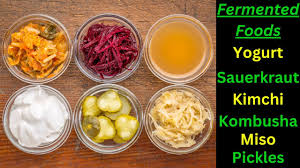
Fermented Foods (kimchi, kombucha, yogurt) Business Feasibility Study, Market Research and Business Plan Services in USA
The fermented foods market in the USA is booming, driven by a deep-rooted consumer focus on gut health and functional ingredients. Whether launching a premium kombucha, artisanal kimchi, or a unique probiotic yogurt, success hinges on a rigorous feasibility study, targeted market research, and a strategic business plan to manage regulatory complexity and fierce competition. Discover how Aviaan’s comprehensive services can provide the clarity and confidence required to capture a share of this high-growth sector.
December 15, 2025
13 min read
COMMERCIAL EXCELLENCE
Loading...
Strategic guidance and institutional-grade solutions customized for your enterprise objectives.
Talk to a Financial Expert
Schedule a complimentary 30-minute discovery call to discuss your enterprise’s financial trajectory.
By submitting, you agree to our Privacy Policy.
Table of Contents
The US food and beverage landscape is undergoing a profound transformation, with the fermented foods business at the epicenter of the wellness movement. Products like kimchi, kombucha, and yogurt, once considered niche or ethnic specialties, have transcended traditional boundaries to become mainstream staples. This segment, globally valued in the hundreds of billions and dominated by North America, is fueled by increasing consumer awareness of gut health, functional ingredients, and the desire for natural, less-processed foods. For entrepreneurs aiming to launch a Fermented Foods Business in USA, the opportunity is substantial, yet the challenges—particularly in scaling production, maintaining consistency, and navigating the complex regulatory maze involving both the FDA and the TTB (for kombucha's alcohol content)—demand a meticulous approach. Success requires an unparalleled commitment to strategic planning, anchored by expert Feasibility Study, Market Research and Business Plan Services.
Market Research: Defining the Niche in the USA Fermented Foods Landscape
The first and most critical step is to understand the dynamic, fragmented, and rapidly evolving US market. Market research for a fermented foods venture must dissect consumer preferences across key product types, identify white spaces, and benchmark competitive strategies.
Understanding the US Consumer’s Gut Health Obsession
The demand for fermented foods is intrinsically linked to the growing interest in probiotics and digestive wellness. Aviaan’s research focuses on quantifying the diverse consumer segments:
The Wellness Enthusiast (Millennials and Gen Z): This group is the primary driver of the kombucha and plant-based fermented dairy segments, drawn to functional benefits, low sugar/high flavor profiles, and aesthetic packaging. They prioritize transparency, clean labels, and are highly influenced by social media wellness trends.
The Ethnic Food Adopter: Consumers who have integrated staples like kimchi into their daily diets, demanding authenticity, regional variation, and high-quality, non-GMO ingredients.
The Traditionalist: Focused on dairy-based products like Greek and Icelandic yogurt and kefir, often seeking high protein, low sugar, and verified probiotic strains (CFUs).
Research must determine regional consumption patterns, which are highly relevant. For example, demand for artisanal kimchi might be highest in coastal metropolitan areas with diverse populations, while specialized probiotic yogurts may thrive in health-conscious suburbs. Understanding price elasticity across these categories is crucial, as fermented products command a premium but face substitution from cheaper alternatives.
Analyzing the Competitive and Channel Dynamics
The competition ranges from massive CPG giants (in the yogurt sector) to small, artisanal kombucha brewers and regional kimchi producers. Effective market research will detail:
Product Innovation Trends: Analyzing the shift towards plant-based fermented foods (e.g., coconut, oat, or cashew-based yogurt), hard kombucha (which intersects with the alcohol beverage market), and flavor fusion in kimchi.
Distribution Strategy: Identifying the most effective channels, such as specialty health food stores, large-scale supermarkets (which require significant production capacity), farmers' markets for initial trial, and the rapidly growing direct-to-consumer (D2C) e-commerce channel, especially for fresh, refrigerated goods.
Brand Messaging and Claims: How competitors are using health claims (e.g., "Supports Immune Health," "10 Billion Live Cultures") and ensuring those claims are defensible under FDA scrutiny.
The Feasibility Study: Stress-Testing the Microbial Business Model
A Feasibility Study for a fermented foods business is arguably more complex than for standard food production due to the biological variability of the process. It must confirm the ability to produce a safe, consistent product that meets regulatory standards while achieving profitability.
Technical and Operational Feasibility
Fermentation Process Control: The study must assess the required infrastructure for maintaining precise control over temperature, pH, and starter culture management for each product (e.g., continuous vs. batch fermentation for kombucha; specific starter cultures for yogurt). Inconsistency leads to spoilage, regulatory issues (especially for kombucha's ABV), and massive product loss.
Food Safety and Compliance (FDA/TTB): This is the single biggest risk.
Yogurt/Kimchi: Compliance with FDA’s Current Good Manufacturing Practices (cGMPs) and the Preventive Controls for Human Food (PC) rule under FSMA. For kimchi, the final pH level (typically below 4.6) is critical for microbiological safety.
Kombucha: The product must be continually monitored. If the alcohol by volume (ABV) reaches $0.5\%$, the product immediately falls under the jurisdiction of the Alcohol and Tobacco Tax and Trade Bureau (TTB), incurring federal excise taxes, specialized production facility requirements, and a mandatory health warning statement on the label. The feasibility study must identify the precise operational method (e.g., alcohol removal, refrigeration, or specific fermentation limits) to ensure the final product remains consistently under $0.5\%$ ABV if the company intends to sell it as a non-alcoholic food beverage.
Cold Chain Logistics: Since most fermented foods are perishable, the study must model the cost and complexity of maintaining the cold chain (typically $\leq 41^\circ\text{F}$) from the production facility through distribution and retail, which significantly impacts distribution costs and scalability.
Financial Viability and Risk Assessment
Cost of Goods Sold (COGS) Analysis: Detailed breakdown of COGS, accounting for the often higher cost of organic/specialty ingredients (vegetables, dairy, tea), the cost of starter cultures, and the high energy consumption of refrigeration and climate-controlled fermentation.
Capital Expenditure (CAPEX): Detailed costings for necessary specialized equipment, including commercial pH meters, continuous temperature loggers, fermentation tanks, high-speed bottling/sealing lines, and cold storage infrastructure.
Profitability Modeling: Developing a realistic 3-5 year financial forecast that accounts for a potentially high initial spoilage rate and the impact of fluctuating commodity prices (e.g., dairy, tea, produce). The model must establish clear break-even points for each product line (kimchi, kombucha, yogurt) and determine the optimal pricing strategy to cover the premium costs while remaining competitive.
The Business Plan: Blueprint for a High-Growth Probiotic Brand
The final Business Plan must integrate the validated market opportunity and the rigorous operational plan into a persuasive document for investors and management. It should articulate a clear competitive edge in this health-driven market.
Strategic Differentiation and Scaling
Unique Selling Proposition (USP): How will the business differentiate itself? Examples include sourcing unique, high-quality, local ingredients (e.g., New England dairy for yogurt), focusing on innovative flavors (e.g., spicy regional kimchi variants), or achieving a verified, clinically-proven probiotic count that surpasses competitors.
Marketing and Trust Building: The plan must outline a strategy to build consumer trust through transparent labeling, highlighting cGMP compliance, and effectively communicating the health benefits without making unsubstantiated medical claims (which are heavily regulated by the FDA and FTC).
Phased Growth Strategy: A clear roadmap for scaling, such as Phase 1: Localized D2C and specialty retail; Phase 2: Regional expansion via a third-party distributor; and Phase 3: National presence achieved through co-packing partnerships.
How Aviaan Can Help Your Fermented Foods Business in the USA
The US fermented foods business is a high-reward, high-risk sector. The margin for error in food safety, quality control, and regulatory compliance is minimal. Aviaan provides the specialized expertise necessary to navigate these complexities and build a scalable, profitable brand. The firm’s comprehensive suite of Feasibility Study, Market Research, and Business Plan Services is specifically tailored to the nuances of microbial-based food production.
Aviaan’s Strategic Market Entry and Niche Identification
Aviaan begins by providing the essential clarity on market opportunity.
Targeted Primary Research: Instead of relying on broad market trends, Aviaan conducts hyper-targeted surveys and qualitative interviews with US health professionals, specialty food buyers, and specific consumer segments (e.g., vegan/plant-based consumers) to pinpoint demand for specific fermented product innovations—such as low-sugar kombucha variants or specific strain-enriched yogurts. This data ensures the business targets a profitable, underserved niche.
Competitive Intelligence Benchmarking: Aviaan provides a detailed teardown of successful US fermentation brands, analyzing their packaging, supply chain (local vs. global sourcing), pricing architecture, and key distribution partners. This allows the client to craft a launch strategy that immediately positions them for competitive advantage.
Aviaan’s Expertise in Operational Feasibility and Risk Mitigation
This is where Aviaan’s value is most critical, ensuring the business is both legally compliant and operationally efficient—a necessity for a microbial-based product.
Regulatory Compliance Roadmap (FDA/TTB): Aviaan brings in specialized regulatory consultants to conduct a detailed review of the proposed production process, particularly for kombucha. They provide a clear, step-by-step roadmap to comply with FDA’s food facility registration and cGMPs. More importantly, they help establish a robust, verifiable monitoring and testing protocol to ensure the kombucha consistently remains below the $0.5\%$ ABV threshold, thereby avoiding the much higher cost and complexity of TTB alcohol regulation. For products like kimchi and yogurt, they ensure all HACCP and food safety plans are developed and validated by a Process Authority to meet FSMA requirements.
Manufacturing and Supply Chain Strategy: The team assists in determining the optimal manufacturing strategy—whether to invest heavily in building a proprietary facility or leverage a network of existing co-packers. Aviaan identifies, vets, and performs due diligence on US-based co-packers that meet the required USDA or certified organic processing standards, significantly reducing initial capital investment and accelerating time-to-market.
Financial Modeling for Perishables: Aviaan develops sophisticated financial models that accurately forecast inventory shrinkage (spoilage), account for the high cost of refrigeration and cold-chain distribution, and build in contingency funding to manage fluctuations in organic commodity prices. This rigorous financial projection is essential for demonstrating stability and high-growth potential to cautious investors in the CPG space.
Aviaan’s Investor-Ready Business Plan Development
Aviaan integrates all these findings into a concise, investor-ready business plan that effectively addresses all potential investor concerns related to risk and scalability.
Justification of Premium Pricing: The plan clearly links the premium pricing of the product to the validated consumer segment willingness-to-pay and the non-negotiable costs of quality control and regulatory compliance, ensuring the business model is perceived as high-margin, not just high-cost.
Scalable Logistics and Distribution Plan: The plan outlines a logistics solution, complete with identified 3PL (Third-Party Logistics) partners who specialize in refrigerated food distribution, demonstrating a credible path to achieving national scale while maintaining product integrity.
By partnering with Aviaan, the Fermented Foods Business receives the necessary operational rigor and strategic clarity to transition from an artisanal concept to a scalable, nationally compliant brand, successfully capitalizing on the booming US consumer demand for gut health and functional foods.
Conclusion
The US market for Fermented Foods (kimchi, kombucha, yogurt) represents a robust, high-growth sector powered by the enduring consumer trend towards health and functional nutrition. However, the unique challenges of microbial food production, coupled with complex FDA and TTB regulations, necessitate a robust, data-backed strategy. Conducting a meticulous Feasibility Study, Market Research, and developing an investor-grade Business Plan are non-negotiable steps. Aviaan’s expertise in regulatory compliance, cold-chain logistics, and financial modeling provides the critical foundation for mitigating risk, optimizing operations, and establishing a successful, scalable, and trustworthy brand in the competitive US fermented foods space.
Case Study: Fermented Foods Business - "Kulture-Brews"
Background and Initial Challenge
Client: Kulture-Brews, a startup based in the Pacific Northwest aiming to launch a line of shelf-stable, low-sugar fruit vinegars (drinking vinegars), which are essentially highly-acidic, pasteurized fermented beverages designed to appeal to the same gut health consumers as kombucha, but with a simpler, less perishable supply chain. The founders had successfully bootstrapped production for local farmers' markets but wanted to scale distribution across the West Coast and raise $1 million in Series A funding.
Initial Problem: Kulture-Brews needed to validate that national retail buyers would accept a pasteurized, shelf-stable product in a category dominated by refrigerated, live-culture kombucha. They lacked a professional, data-backed financial model to justify the $1 million raise and had no formal regulatory plan for scaling their production from a small commercial kitchen to a full-scale bottling facility.
Aviaan's Integrated Solution
Aviaan was engaged to provide the strategic analysis needed to professionalize the business for institutional investment.
1. Market Research: Validating the Shelf-Stable Alternative
Objective: To test the consumer appetite for a shelf-stable, vinegar-based functional beverage as a substitute for kombucha.
Methodology: Aviaan conducted a consumer panel test focusing on flavor, mouthfeel, and perceived health benefit. Crucially, they interviewed 50 regional grocery buyers and national specialty food distributors.
Finding: The research confirmed a significant barrier to entry for refrigerated space due to high slotting fees. However, buyers expressed high interest in Kulture-Brews’ shelf-stable format, specifically for the opportunity to place it in the higher-margin "functional beverage" aisle, rather than the crowded and price-sensitive refrigerated section. This positioning validated a higher retail price point and a substantially lower cost distribution model. The core challenge identified was convincing the consumer of the probiotic benefit without having live cultures, which required a marketing pivot.
2. Feasibility Study: The Manufacturing & Financial Pivot
Operational Solution (Regulatory and Technical): Aviaan’s team confirmed that the pasteurization process meant the product did not fall under the TTB's concern for alcohol content and was regulated purely by the FDA as a standard food beverage. They recommended a specialized, high-pressure, high-acid bottling facility in California that could handle the volume and acidity, avoiding the high cost of building a dedicated facility. The study defined the exact time and temperature for pasteurization required to prove safety while maintaining flavor, a crucial technical detail.
Financial Validation: Aviaan built a detailed financial model that compared the cost of a refrigerated product vs. the shelf-stable model. The analysis showed that the elimination of cold-chain logistics costs (estimated at $0.75 per unit) and the lower packaging cost for a shelf-stable bottle created an additional 15% gross margin. This high-margin profile made the $1 million raise highly attractive, as it allowed for a faster return on investment and a clear path to profitability without the ongoing strain of refrigerated distribution. The model forecast a break-even point in Month 20, six months earlier than the client’s initial projection.
3. Business Plan: An Investor-Grade Strategy
Strategy: Aviaan helped Kulture-Brews redefine its brand message from a "kombucha alternative" to "The Functional Digestive Shot," emphasizing the natural acetic acid and antioxidant properties of the fruit vinegars. The Business Plan focused on the defensible shelf-stable supply chain as the key operational advantage.
Outcome: The detailed financial model and the strategic pivot based on buyer feedback were highly persuasive. Kulture-Brews secured $1.2 million in Series A funding from a consumer-focused private equity firm. The investment was secured primarily because Aviaan’s Feasibility Study validated a profitable, scalable operational model that avoided the most common operational pitfall in the fermented foods business—the expensive, highly regulated cold chain.
Result
Kulture-Brews successfully launched its product line in over 600 stores across the West Coast, leveraging the shelf-stable positioning. The company’s high margin allowed it to spend aggressively on digital marketing, quickly building a loyal customer base. Within two years, they achieved national distribution, proving that strategic, Aviaan-led planning can transform a local artisanal concept into a scalable, investor-backed, national CPG brand.
Partner with Aviaan Advisory today to unlock your business’s full potential. Our team of experts is here to provide tailored solutions and guide you every step of the way.