


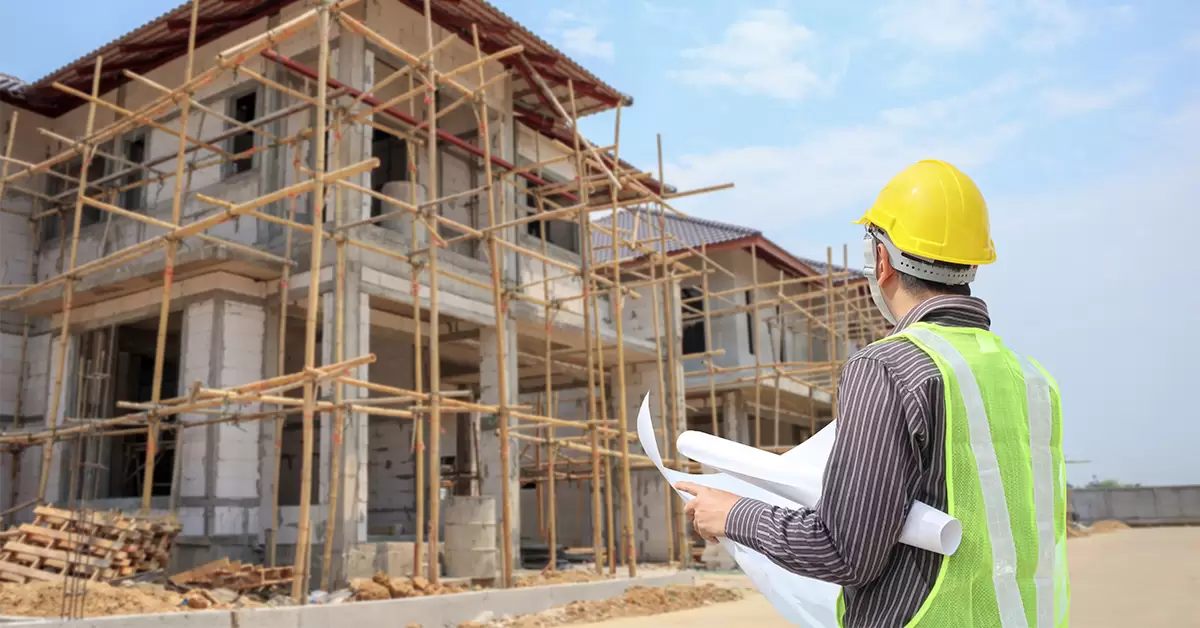
The construction industry in the United States remains one of the largest contributors to the national economy, supporting infrastructure development, residential expansion, commercial real estate growth, and industrial modernization. Major states such as Texas, California, Florida, New York, and Illinois continue to witness high demand for construction services due to population growth, urban redevelopment, smart city projects, and federal infrastructure investments. From residential builders and general contractors to specialized engineering firms and infrastructure developers, the sector offers significant business opportunities for entrepreneurs and investors seeking long-term growth.
The U.S. construction market is highly competitive and financially demanding. Companies face rising labor costs, fluctuating material prices, strict OSHA safety regulations, IRS tax obligations, and financial reporting requirements under GAAP standards. Delays in project execution, cash flow gaps, subcontractor management issues, and compliance risks can impact profitability. As a result, having a professional business plan for construction company in USA is essential for securing funding, attracting investors, managing operations, and building sustainable growth.
Aviaan is a trusted consulting firm providing business plan services, accounting, bookkeeping, financial advisory, and business valuation solutions for construction businesses across the United States. With deep industry expertise and market-driven insights, Aviaan helps construction companies create investor-ready business plans that align with U.S. market conditions and financial expectations.

A construction business requires strategic planning because the industry involves high operational costs, project-based revenue cycles, equipment investments, workforce management, and regulatory compliance. A well-developed business plan helps business owners define objectives, evaluate financial feasibility, and create a roadmap for sustainable expansion.
Understanding market demand: The U.S. construction industry varies by region and sector. Residential construction demand is strong in states such as Texas and Florida, while commercial and infrastructure projects dominate in California and New York. A business plan identifies profitable niches and target markets.
Competitive landscape analysis: Construction companies compete with local contractors, national firms, and specialized service providers. A strategic business plan evaluates competitors, pricing models, service differentiation, and market positioning.
Identifying growth opportunities: Infrastructure modernization programs, green building initiatives, renewable energy projects, and smart city development create significant opportunities for construction companies in the United States.
Cash flow management: Construction businesses often experience delayed payments and fluctuating cash flow. A financial business plan helps forecast working capital needs and operational expenses.
Cost estimation: Labor wages, equipment rentals, raw material prices, and insurance costs significantly impact profitability. A professional business plan includes detailed financial projections and cost analysis.
Funding readiness: Banks, private investors, and SBA lenders require structured business plans before approving financing for construction companies.
Project management structure: An operational business plan outlines project execution workflows, subcontractor management, procurement systems, and workforce allocation.
Regulatory compliance: Construction businesses in the U.S. must comply with OSHA safety regulations, local licensing laws, IRS tax regulations, and environmental standards.
Risk mitigation: Construction projects involve delays, weather disruptions, supply chain issues, and legal liabilities. A business plan helps prepare contingency strategies and risk management frameworks.
Business overview: This section provides a concise summary of the construction company, including business objectives, services offered, target markets, and growth strategy.
Mission and vision: A strong mission statement communicates the company’s long-term goals and commitment to quality, safety, and client satisfaction.
Investment requirements: The executive summary includes funding requirements, expected returns, and business expansion plans.
Business structure: Construction companies in the United States may operate as LLCs, corporations, partnerships, or sole proprietorships depending on tax and liability considerations.
Core services: Services may include residential construction, commercial construction, remodeling, infrastructure development, civil engineering, roofing, electrical contracting, or specialized contracting.
Geographic coverage: A business plan identifies operational regions and target cities such as Houston, Miami, Los Angeles, Chicago, or New York City.
Industry trends: Green construction, modular building, sustainable infrastructure, and digital construction technologies are transforming the U.S. construction market.
Target audience analysis: Residential homeowners, commercial developers, government agencies, and industrial clients represent different customer segments.
Competitor evaluation: A construction company business plan analyzes local and national competitors, pricing structures, service quality, and branding strategies.
Construction services: The business plan details services offered and explains revenue generation methods.
Pricing strategy: Pricing models may include fixed-price contracts, cost-plus contracts, time-and-material contracts, or project-based pricing.
Additional revenue streams: Equipment rentals, maintenance services, project consulting, and renovation services can increase profitability.
Digital marketing: Construction companies in the USA increasingly rely on SEO, Google Ads, social media marketing, and local search optimization to generate leads.
Networking and partnerships: Partnerships with architects, developers, real estate firms, and suppliers help expand business opportunities.
Brand positioning: A strong business plan defines branding strategies that differentiate the company from competitors.
Project execution process: The operational business plan explains project planning, procurement, scheduling, and quality control systems.
Workforce management: Skilled labor shortages remain a major challenge in the United States construction industry. A business plan outlines hiring, training, and retention strategies.
Technology integration: Construction management software, BIM systems, drones, and AI-powered project monitoring tools improve operational efficiency.
Startup cost estimation: Construction businesses require significant investment in machinery, tools, permits, office setup, insurance, and staffing.
Revenue projections: Financial forecasts estimate income based on project pipelines, contract values, and market demand.
Break-even analysis: This section determines how long the business will take to become profitable.
Profit and loss forecast: Detailed projections help investors and lenders evaluate financial sustainability.
Cash flow projections: Construction businesses require accurate cash flow forecasting due to payment cycles and operational costs.
Quick business overview: A one page business plan summarizes the business concept, target market, revenue model, and financial highlights in a concise format.
Investor introduction tool: Entrepreneurs often use one-page plans during early investor discussions and partnership meetings.
Long-term business growth: A strategic business plan focuses on expansion goals, market penetration, and competitive positioning.
Scalability planning: Construction companies planning to expand across multiple U.S. states require a strategic growth roadmap.
Internal management guide: This type of business plan explains day-to-day operations, project execution, staffing, and workflow management.
Efficiency optimization: Operational planning improves resource allocation and project delivery timelines.
Funding and investment focus: A financial business plan emphasizes profitability, cash flow, funding requirements, and return on investment.
Bank loan support: Lenders require detailed financial projections before approving business loans.
Supply chain disruptions: Steel, lumber, cement, and fuel prices continue to fluctuate across the U.S. market, affecting project profitability.
Inflation impact: Rising inflation increases equipment costs, transportation expenses, and labor wages.
Skilled workforce gap: Many construction firms struggle to find qualified electricians, plumbers, engineers, and project managers.
Employee retention: Competitive wages and workplace safety initiatives are critical for retaining skilled workers.
OSHA standards: Construction companies must comply with workplace safety regulations to avoid penalties and project delays.
IRS and tax compliance: Payroll taxes, contractor classifications, and business deductions require proper financial management.
Delayed payments: Long payment cycles from contractors and clients can create working capital pressure.
Project financing needs: Construction companies often require bridge financing and equipment loans.
A mid-sized construction company in Texas specializing in commercial renovation projects struggled with cash flow management and inconsistent project profitability. The company lacked a structured business plan and faced difficulties securing bank financing for expansion into neighboring states. After developing a professional business plan with detailed market research, financial forecasting, operational planning, and risk assessment, the company secured SBA-backed funding and expanded operations into Arizona and Colorado within two years. The structured business plan also improved project management efficiency and investor confidence.
A construction startup based in Florida approached Aviaan seeking a professional business plan to attract investors and secure licensing approvals. The company planned to enter the residential and mixed-use development market but lacked financial projections and market positioning strategies.
Aviaan conducted comprehensive market research covering regional construction trends, competitor analysis, customer demand, and pricing structures. The team developed a detailed financial business plan with revenue forecasts, cash flow analysis, operational planning, and investment requirements tailored to U.S. market conditions.
As a result, the client successfully secured investor funding, established partnerships with suppliers and subcontractors, and achieved profitability within the first operational year. The business plan also helped streamline operational workflows and improve financial management processes.
Industry-specific planning: Aviaan creates tailored business plans for residential builders, commercial contractors, engineering firms, and infrastructure companies across the United States.
Investor-ready documentation: The company prepares professional reports suitable for banks, SBA lenders, venture capital firms, and private investors.
Comprehensive market insights: Aviaan analyzes regional demand, customer behavior, industry trends, and competitive landscapes.
Location-specific analysis: The firm evaluates opportunities in high-growth markets such as California, Texas, Florida, and New York.
Accurate financial modeling: Aviaan develops revenue forecasts, cash flow statements, break-even analysis, and profitability projections.
Funding support: The team assists businesses in preparing financial documentation required for investment and loan applications.
GAAP-compliant reporting: Aviaan ensures accurate financial records and compliance with U.S. accounting standards.
Tax planning support: The firm helps construction companies manage IRS compliance and optimize financial performance.
Company valuation: Aviaan provides business valuation services for mergers, acquisitions, partnerships, and investment negotiations.
Strategic decision support: Accurate valuations help business owners make informed financial decisions.
Operational efficiency improvement: Aviaan supports workflow optimization and project management enhancement.
Digital transformation guidance: The company advises on construction management software and financial automation tools.
A professional business plan for construction company in USA is essential for building a sustainable and profitable construction business in today’s competitive environment. The U.S. construction market offers strong opportunities across residential, commercial, and infrastructure sectors, but success requires strategic planning, financial discipline, regulatory compliance, and operational efficiency.
Construction companies face unique challenges such as rising material costs, labor shortages, and project financing pressures. A well-structured business plan helps business owners manage risks, secure funding, improve operations, and achieve long-term growth.
Aviaan provides comprehensive business plan services tailored specifically for construction businesses across the United States. With expertise in financial forecasting, market research, accounting, business valuation, and operational planning, Aviaan helps construction companies create investor-ready business plans that support expansion and profitability.
A business plan for construction company in USA is a strategic document that outlines business goals, operational plans, financial projections, market analysis, and growth strategies for construction businesses operating in the United States.
Construction companies need a professional business plan to secure funding, manage operations, forecast financial performance, attract investors, and improve long-term business sustainability.
A construction business plan should include an executive summary, company overview, market analysis, service details, operational plan, marketing strategy, financial projections, and risk assessment.
Aviaan provides customized business plans, market research, financial forecasting, accounting services, bookkeeping support, and business valuation solutions for construction businesses across the United States.
Yes. Banks, SBA lenders, and investors often require a detailed business plan before approving loans or investment funding for construction businesses.
Residential construction, commercial construction, civil engineering, remodeling, infrastructure development, roofing, HVAC contracting, and specialized construction services can all benefit from professional business plan services.
Business Plan for Construction Materials Manufacturing Business in USA
Business Plan for Clinic Business in USA
Business Plan for Grocery Store Business in USA
Business Plan for Medical Devices Manufacturing Business in USA
Business Plan for Pharmaceutical Company in USA
Business Plan for Mental Health Services Business in USA
Business Plan for Software Development Company in USA
Business Plan for Artificial Intelligence Company in USA
Business Plan for Data Analytics Company in USA
Business Plan for Agricultural Farm Business in USA
Business Plan for Media & Entertainment Company in USA
Business Plan for Bottled Water Business in USA
Business Plan for Packaged Snacks Business in USA




