Aerospace Components Business Feasibility Study, Market Research and Business Plan Services in USA
Launching or expanding an aerospace components business in the USA is a high-stakes venture in a heavily regulated and technologically advanced market. Success hinges on precise market research, a rigorous feasibility study, and a comprehensive business plan. This guide details these critical steps and explains how a specialized consulting firm like Aviaan provides the necessary expertise to navigate this complex industry.
November 20, 2025
12 min read
COMMERCIAL EXCELLENCE
Loading...
Strategic guidance and institutional-grade solutions customized for your enterprise objectives.
Talk to a Financial Expert
Schedule a complimentary 30-minute discovery call to discuss your enterprise’s financial trajectory.
By submitting, you agree to our Privacy Policy.
Table of Contents
The United States represents the largest and most sophisticated aerospace and defense (A&D) market globally, characterized by demanding quality standards, stringent regulatory requirements, and rapid technological advancements. For any business aspiring to manufacture or supply aerospace components—from complex engine parts and avionics to essential C-class parts like fasteners and bearings—a meticulous, data-driven approach is mandatory. Entering this competitive arena requires more than just capital and manufacturing capability; it demands a deep, validated understanding of the market dynamics, a proven financial viability, and a detailed strategic roadmap. These prerequisites are met through professional market research, a comprehensive feasibility study, and a robust business plan.
The Critical Role of Market Research for US Aerospace Components
Market research serves as the foundation for any successful entry into the US aerospace components sector. The market is segmented into distinct areas—commercial aviation, military/defense, and space—each with unique customers, procurement cycles, and regulatory hurdles. Accurate, up-to-date market intelligence is key to identifying viable opportunities and mitigating the significant risks associated with this industry.
In-Depth Segment and Demand Analysis
The initial phase of market research involves mapping the current landscape and forecasting future demand. The US aerospace parts manufacturing market is valued in the hundreds of billions of dollars and is growing, driven by factors such as:
Increasing air travel demand: This drives the need for new aircraft production and the replacement of aging fleets, particularly for commercial carriers.
Defense spending: Substantial US government defense budgets fund the procurement, modernization, and maintenance of military aircraft, UAVs, and space assets, creating a steady demand for specialized, high-performance components.
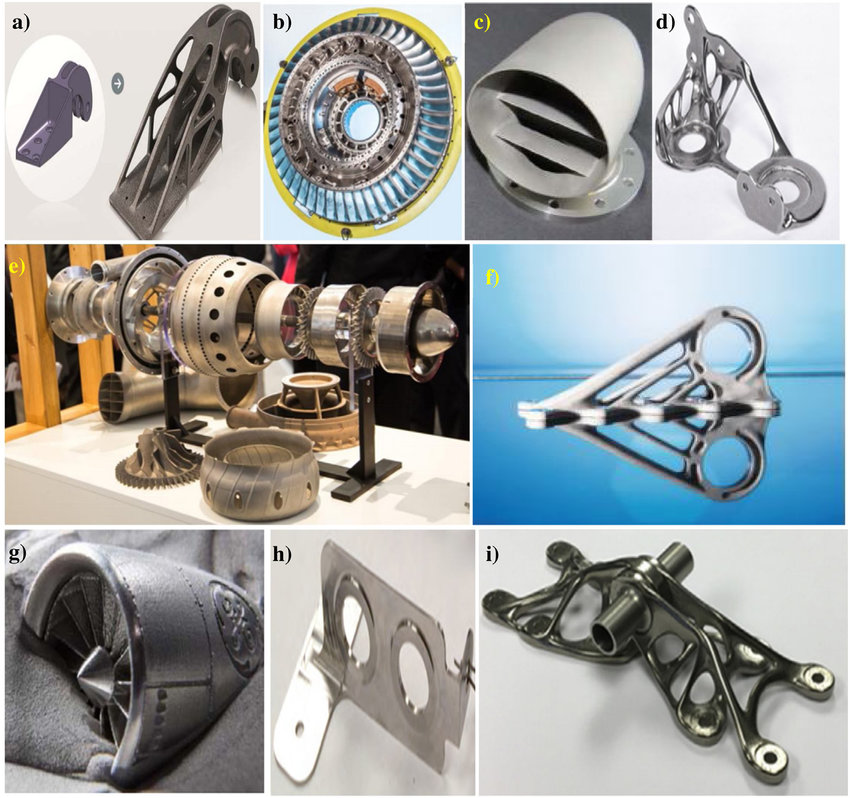
Technological shifts: The rise of Additive Manufacturing (3D printing), the adoption of advanced composite materials, and the push for fuel-efficient engines all create demand for new component types and manufacturing processes.
End-User: Original Equipment Manufacturers (OEMs) like Boeing and Lockheed Martin, Tier 1 suppliers, or the aftermarket (MRO - Maintenance, Repair, and Overhaul) sector.
Aircraft Type: Commercial, Military, Business, or UAVs.
Competitive and Supply Chain Assessment
The US aerospace supply chain is notoriously complex, highly concentrated, and currently faces supply chain disruptions and part shortages. Market research must meticulously analyze the competitive landscape:
Major Players: Identify established giants and niche competitors, analyzing their product portfolios, pricing strategies, production capabilities, and customer relationships.
Supply Chain Gaps: Pinpoint specific component shortages or areas where current suppliers are unable to meet quality, volume, or delivery timelines. This is where a new entrant can find a defensible niche.
Barriers to Entry: Recognize the high initial investment, the need for specialized equipment (like CNC machining for high-precision components), and the high cost of compliance and certification.
The Feasibility Study: Validating Technical and Financial Viability
The feasibility study takes the opportunities identified in the market research and rigorously tests the practical and financial viability of the proposed aerospace components business. Given the immense capital and compliance requirements in the A&D sector, this step is non-negotiable for securing investment and managing risk.
Technical and Operational Feasibility
In the aerospace components business in the USA, quality and safety are paramount, dictated by standards like AS9100D certification. The technical assessment must cover:
Manufacturing Capability: Can the proposed facility and equipment meet the incredibly tight tolerances and high-quality standards required for flight-critical parts? This includes assessing the technology for materials like titanium, aluminum, and advanced composites.
Regulatory Compliance: This is an exhaustive section. The study must confirm the ability to comply with Federal Aviation Regulations (FARs), International Traffic in Arms Regulations (ITAR) for defense-related products, Export Administration Regulations (EAR), and often Defense Federal Acquisition Regulation Supplement (DFARS). Failure to comply can result in severe penalties and loss of contracts.
Supply Chain Resilience: A robust plan for sourcing high-performance raw materials (e.g., aerospace-grade alloys) and ensuring a stable, traceable, and secure supply chain is essential, addressing the frequent logistical issues in the current market.
Financial Feasibility and Risk Analysis
The financial analysis determines if the business can generate an acceptable return on investment. The high manufacturing costs in the US, due to skilled labor and expensive raw materials, require precise financial modeling. This includes:
Startup and Capital Expenditure (CapEx): Detailed breakdown of costs for specialized machinery, facility build-out, AS9100 certification process, and initial inventory.
Revenue Projections: Realistic forecasts based on validated customer demand, competitive pricing, and typical procurement cycles in the A&D sector (which can be long).
Cost and Profitability Analysis: Determining unit economics, break-even point, and projected cash flow, accounting for the long lead times and inventory carrying costs common in this industry.
Sensitivity and Risk Analysis: Stress-testing the financial model against key variables like raw material price spikes (e.g., titanium), unforeseen regulatory changes, or a major program cancellation by an OEM.
The Business Plan: The Strategic Blueprint
The final output is a comprehensive business plan that synthesizes the market findings and financial validation into a coherent, persuasive document. This plan is the primary tool for attracting investment, securing strategic partnerships, and guiding internal operations.
A high-quality business plan for an aerospace components supplier in the USA must detail:
Value Proposition: Clearly articulate the company's unique edge—e.g., specialized expertise in high-temperature engine components, fast lead times for C-class parts, or proprietary additive manufacturing capabilities.
Sales and Marketing Strategy: Define how the company will access the Tier 1 and OEM customer base, which often requires a strong track record and specific accreditations.
Management Team and Organizational Structure: Highlight the team's relevant experience in aerospace engineering, quality assurance, and regulatory compliance.
Financial Plan: Present the comprehensive financial projections, funding needs, and exit strategy.
Aviaan’s Expertise in the US Aerospace Components Sector
Developing a successful aerospace components business in the USA is challenging due to its high regulatory burden, intense competition, and complexity. Aviaan, a firm specializing in business advisory services for high-tech and regulated industries, provides the strategic partnership needed to master this environment. Their expertise ensures that all aspects of your launch—from compliance to profitability—are meticulously addressed.
In-Depth, Compliance-Focused Market Research
Aviaan starts with hyper-focused market research that goes beyond generic industry reports. They understand that a new entrant must target a defensible niche. They utilize proprietary methodologies to:
Identify Program-Specific Demand: Instead of general trends, Aviaan analysts track specific long-term aircraft programs (e.g., Boeing 777X, F-35 program) to forecast the exact components needed, at what volumes, and when. They leverage advanced databases to pinpoint C-Class parts demand driven by maintenance cycles.
Advanced Competitive Benchmarking: Aviaan provides a detailed SWOT analysis of your direct competitors, including their capacity utilization, average lead times, and specific certifications. This allows your business to position itself to fill genuine supply chain gaps, such as offering an alternative for a component currently bottlenecked by a single supplier.
Regulatory Landscape Mapping: This is Aviaan’s cornerstone value. They don't just list regulations; they integrate the compliance cost and process directly into the market opportunity. For instance, they conduct preliminary checks on the classification of your components under ITAR and EAR, assessing the impact on your operational structure, data security requirements, and potential for international sales. This proactive compliance strategy drastically reduces future legal and operational risks. They provide a clear roadmap for obtaining critical certifications like AS9100D, a non-negotiable requirement for quality management systems in the A&D sector.
Strategic Feasibility Studies and Risk Mitigation
Aviaan’s feasibility study is a dynamic, living model designed to withstand investor scrutiny. Their approach focuses on minimizing the inherent risks of the aerospace components business in the USA:
Precision Financial Modeling: Aviaan develops high-fidelity financial models tailored for the long-cycle aerospace sector. This includes modeling specific capital expenditure for specialized CNC machinery or additive manufacturing equipment, accounting for long-term depreciation, and building just-in-time (JIT) inventory models to optimize cash flow—a common struggle for new suppliers. They also factor in the non-trivial costs associated with mandatory recurring audits and certifications.
Operational Blueprint Development: Aviaan assists in designing a supply chain strategy that prioritizes resilience and traceability. They help vet and qualify raw material suppliers (e.g., for aerospace-grade aluminum or high-performance alloys), ensuring they meet both your quality standards and government sourcing requirements (like DFARS compliance for defense contracts). This includes proposing optimal site selection based on proximity to OEM hubs (like Seattle or Wichita) or defense clusters, labor pool availability, and logistics infrastructure.
Proactive Risk and Mitigation Analysis: Aviaan's analysts specialize in identifying single-point-of-failure risks common in aerospace. They conduct Failure Mode and Effects Analysis (FMEA) on your proposed manufacturing process. For example, they will analyze the financial impact of a major customer order being delayed or canceled, and develop contingency plans (e.g., diversification into the commercial MRO or space sectors).
Structuring a Compelling, Investor-Ready Business Plan
Finally, Aviaan translates the complex data and validated model into a highly persuasive business plan. They understand the language of private equity and aerospace defense investors.
Value-Driven Narrative: The business plan is structured to immediately answer the key questions of A&D investors: What is your specific niche?, How do you achieve AS9100 compliance?, What is your ITAR strategy?, and How will you scale production while maintaining zero-defect quality?
Detailed Technical and Compliance Sections: Unlike generic plans, Aviaan ensures the technical sections are detailed enough to satisfy industry experts. This includes specifications on manufacturing processes (e.g., 5-axis machining, non-destructive testing), quality control protocols, and a clear presentation of the certification roadmap.
Strategic Growth Trajectory: The plan details a phased growth strategy, perhaps starting with simpler, high-demand C-class parts before transitioning to more complex, higher-margin structural components or engine parts. Aviaan's involvement signals to investors that the venture has undergone professional, industry-specific due diligence. The plan comprehensively showcases the financial returns driven by securing long-term OEM contracts and aftermarket service agreements, which are highly valued by investors.
Case Study: Launching Advanced Turbine Blade Manufacturing in the Midwest USA
Background: A team of former aerospace engineers wanted to launch a business in the US Midwest specializing in the high-precision machining of titanium turbine blades for commercial jet engines—a high-value, safety-critical component. The market is controlled by a few dominant players, making entry extremely difficult.
The Challenge:
Market Access: How to convince Tier 1 engine manufacturers (e.g., Pratt & Whitney, GE Aviation) to switch suppliers for a critical component.
Compliance and Quality: The absolute necessity of achieving AS9100D and meeting all OEM-specific quality and process controls.
Capital Intensity: The cost of specialized multi-axis CNC machines and titanium raw material inventory required a massive initial investment.
Aviaan’s Solution: Aviaan executed a targeted, multi-phase engagement:
Market Research: Aviaan identified that while primary blade supply was locked, there was an emerging Tier 2 opportunity in supplying smaller, secondary blade components for an aging, but still widely used, engine platform (the V2500). Furthermore, Aviaan's research showed that several established suppliers were struggling with on-time delivery for this specific component due to capacity issues. This delivery bottleneck was the unique, exploitable weakness.
Feasibility Study:
Technical Validation: Aviaan's team assessed the proposed facility layout and equipment list, recommending a specific mix of 5-axis machines and Nondestructive Testing (NDT) equipment to meet both AS9100 and the required OEM process specifications. They also helped draft the initial Quality Management System (QMS) documentation, vastly accelerating the path to certification.
Financial Model: The model was stress-tested against the potential for an OEM to dual-source the part (a common practice to mitigate risk), showing profitability even with a smaller-than-anticipated initial contract volume. They built a CapEx justification model that successfully demonstrated the Return on Investment (ROI) for the specialized titanium-processing machinery.
Business Plan and Strategy: The final business plan was highly targeted. Instead of aiming for the primary blade contract, the plan focused on becoming the redundant, reliable, and specialized Tier 2 supplier for the V2500 component. The plan highlighted the team’s collective 75+ years of experience in aerospace metallurgy and quality control. With the Aviaan-backed plan, the startup successfully secured $25 million in private equity funding, specifically because the plan demonstrated a compliance-first strategy and a viable entry point that did not directly challenge the largest incumbents. They achieved their AS9100 certification in 14 months and secured their first major contract within 18 months, becoming a trusted, reliable supplier in a difficult-to-enter segment of the US aerospace components market.
Conclusion
The aerospace components business in the USA offers immense rewards, but only to those who approach it with unmatched diligence and strategic rigor. The complexity of regulatory compliance, the high bar for quality, and the competitive landscape require expertise that most startups and even established firms lack internally. By partnering with Aviaan for market research, feasibility studies, and business plan development, your venture gains a critical competitive edge. Aviaan ensures that every decision is data-backed, every financial projection is stress-tested, and every operational detail is compliant with the demanding standards of the global aerospace and defense industry, turning a high-risk venture into a high-potential success story.
Partner with Aviaan Advisory today to unlock your business’s full potential. Our team of experts is here to provide tailored solutions and guide you every step of the way.