


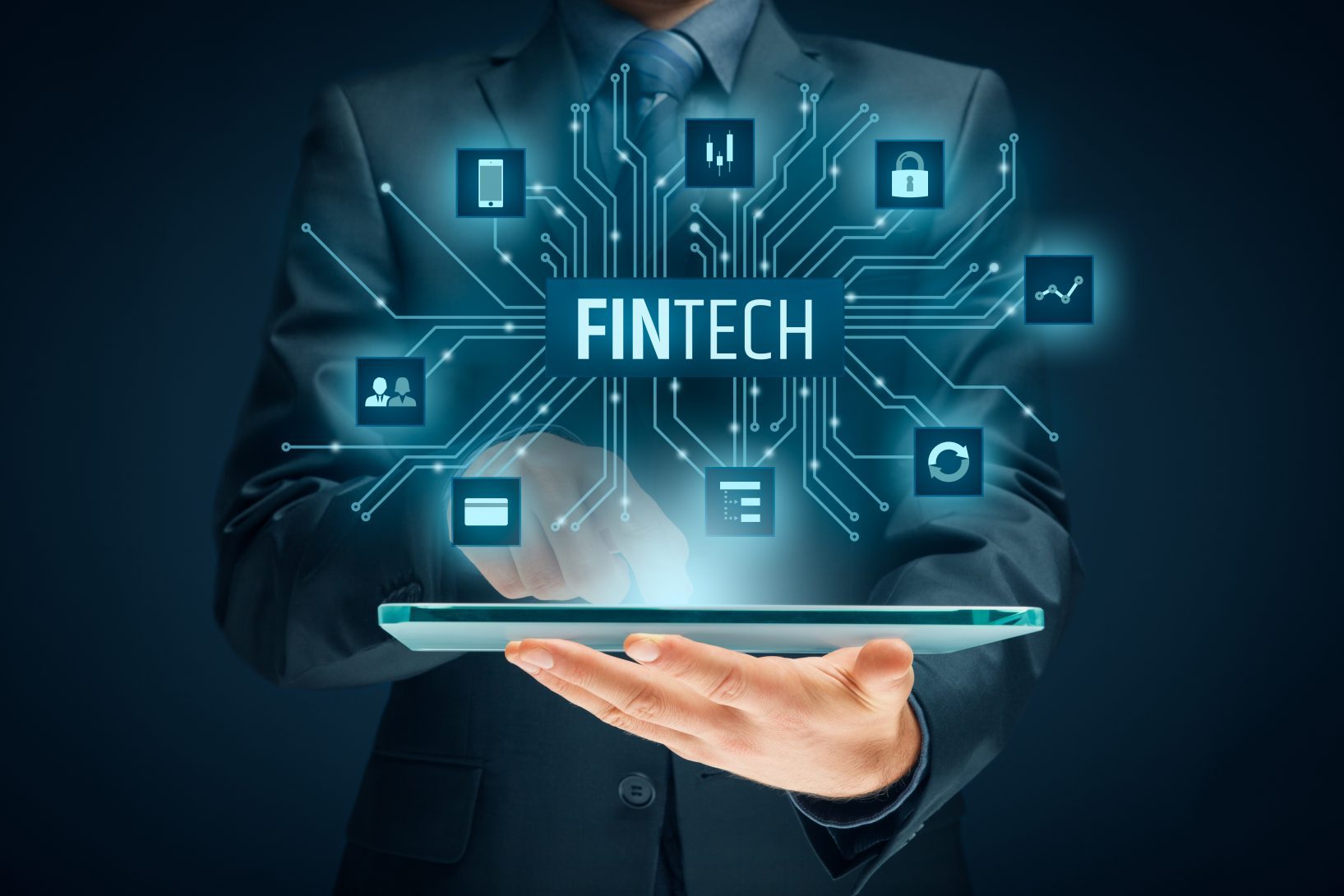
The fintech industry in the United States continues to transform the financial services landscape through digital innovation, automation, artificial intelligence, blockchain technology, digital lending, embedded finance, and payment solutions. Major financial hubs such as New York, California, Texas, Florida, and Illinois are witnessing rapid fintech expansion due to strong venture capital activity, advanced digital infrastructure, and growing consumer demand for seamless financial experiences. The rise of mobile banking, buy-now-pay-later platforms, robo-advisory services, digital wallets, and AI-driven risk assessment tools has created exceptional opportunities for startups and established companies alike.
At the same time, fintech businesses in the USA operate in a highly regulated environment. Companies must comply with federal and state regulations involving the SEC, FINRA, IRS, CFPB, AML requirements, data privacy laws, and GAAP financial reporting standards. Investors, banks, and venture capital firms also require detailed financial projections and structured operational strategies before funding fintech ventures. Because of these complexities, a professional business plan becomes a critical foundation for success.
Aviaan supports fintech entrepreneurs and companies across the USA with customized business plan services, accounting solutions, bookkeeping, financial modeling, business valuation, and financial advisory services. Whether launching a payment platform in California, a lending startup in Texas, or a wealth-tech company in New York, Aviaan helps fintech businesses build investor-ready and growth-focused strategies tailored to the U.S. market.

A fintech business operates in one of the most competitive and regulated sectors in the United States. A strong business plan helps founders clarify their strategy, secure investment, manage risks, and create a scalable operating model.
Market validation: A professional business plan helps fintech founders evaluate customer demand, industry trends, and market gaps in the United States. It identifies opportunities in sectors such as digital banking, insurtech, regtech, blockchain, lending platforms, and payment processing while analyzing customer behavior in major states like California, Florida, and Texas.
Investor readiness: Venture capital firms and angel investors in the USA require detailed business plans before funding fintech startups. A business plan demonstrates the revenue model, growth potential, customer acquisition strategy, scalability, and profitability outlook of the fintech company.
Regulatory planning: Fintech businesses must comply with financial regulations and licensing requirements. A business plan outlines compliance strategies related to SEC rules, anti-money laundering standards, Know Your Customer procedures, IRS obligations, and cybersecurity frameworks.
Financial forecasting: A financial business plan includes projected income statements, cash flow forecasts, break-even analysis, customer acquisition costs, and profitability timelines. These projections help fintech companies prepare for growth and investment rounds.
Strategic direction: A strategic business plan provides operational clarity, technology implementation strategies, expansion plans, staffing requirements, and competitive positioning within the U.S. fintech ecosystem.
Executive summary: This section provides an overview of the fintech business, target market, services, technology platform, funding requirements, and growth objectives. Investors typically review this section first to understand the business opportunity and potential return on investment.
Business description: This explains the fintech company’s mission, ownership structure, legal framework, and operational model. It also outlines whether the business focuses on digital payments, peer-to-peer lending, wealth management, insurance technology, cryptocurrency, or embedded finance solutions.
Market analysis: A strong market analysis evaluates the U.S. fintech market size, growth trends, customer segments, and competitive landscape. It examines consumer preferences, digital banking adoption, fintech investment trends, and regional growth opportunities across major American cities.
Competitive analysis: This section studies direct and indirect competitors in the U.S. market. It compares pricing structures, service offerings, user experience, technology capabilities, and customer retention strategies to identify differentiation opportunities.
Business model: A fintech business plan model explains how the company generates revenue through subscriptions, transaction fees, commissions, lending interest, premium services, API integration, or software licensing.
Operational plan: This section outlines the technology infrastructure, cybersecurity systems, staffing requirements, vendor relationships, cloud architecture, customer support processes, and compliance management systems needed for operations.
Marketing strategy: A fintech company requires a digital-first marketing approach in the USA. This section includes SEO, paid advertising, influencer partnerships, content marketing, referral programs, app store optimization, and customer retention initiatives.
Financial projections: Investors and lenders expect detailed financial projections covering startup costs, operational expenses, projected revenues, EBITDA margins, funding requirements, and profitability forecasts for at least three to five years.
Startup business plan: This type of business plan is designed for new fintech ventures seeking funding or preparing for market entry in the United States. It includes detailed market research, financial forecasts, and growth strategies.
Strategic business plan: A strategic business plan focuses on long-term growth, expansion strategies, mergers, acquisitions, and market penetration objectives within the U.S. fintech sector.
Operational business plan: This plan emphasizes internal processes, compliance systems, staffing structures, operational workflows, and performance management systems.
Financial business plan: A financial business plan focuses heavily on investment analysis, financial projections, cash flow management, and funding strategies.
One page business plan: Some fintech startups use a one page business plan for internal planning, investor pitches, or early-stage business discussions before preparing a comprehensive plan.
Regulatory complexity: Fintech businesses must navigate federal and state licensing requirements, SEC compliance, consumer protection laws, and AML regulations. Compliance costs can become significant during expansion.
Cybersecurity threats: Data breaches and fraud risks remain major concerns in the U.S. fintech market. Businesses must invest heavily in cybersecurity infrastructure, encryption systems, and fraud prevention technologies.
Customer acquisition costs: The fintech market in the USA is highly competitive. Rising digital advertising costs and customer retention challenges can impact profitability during the early growth stages.
Funding pressures: Investors expect rapid scalability and strong revenue growth from fintech startups. Companies must maintain healthy financial metrics and clear monetization strategies.
Technology scalability: Fintech platforms require reliable cloud systems, API integrations, high transaction processing capabilities, and continuous software updates to maintain performance and user trust.
Embedded finance growth: Non-financial companies increasingly integrate financial services into their platforms. Retailers, e-commerce businesses, and SaaS providers now offer payment and lending solutions directly to customers.
Artificial intelligence adoption: AI helps fintech companies automate customer support, fraud detection, underwriting, and personalized financial recommendations.
Open banking expansion: Financial institutions and fintech companies are adopting API-driven ecosystems that allow secure data sharing and enhanced customer experiences.
Digital payments dominance: Consumers across the United States increasingly prefer contactless payments, mobile wallets, and digital transactions over traditional banking methods.
Blockchain innovation: Blockchain technology continues to support secure transactions, smart contracts, decentralized finance, and cross-border payment solutions.
Revenue forecasting: A fintech business plan should estimate recurring revenue streams, transaction volumes, subscription growth, and customer retention metrics.
Cost structure analysis: Fintech businesses must analyze technology expenses, compliance costs, software development, cybersecurity investments, employee salaries, and customer acquisition costs.
Break-even analysis: Understanding the break-even point helps founders evaluate sustainability and funding requirements during scaling phases.
Funding strategy: Many U.S. fintech companies rely on venture capital, private equity, seed funding, strategic partnerships, or SBA financing to support growth.
Risk management: Financial planning should include contingency strategies for regulatory changes, cybersecurity incidents, economic downturns, and operational disruptions.
A New York-based fintech startup specializing in AI-powered lending solutions entered the U.S. market with strong technology capabilities but lacked a structured business strategy. The founders struggled to secure investor funding because their financial projections and compliance framework were incomplete. After developing a professional business plan with detailed market analysis, operational planning, customer acquisition forecasting, and GAAP-aligned financial projections, the company successfully raised seed funding and expanded operations into Texas and Florida within two years.
Client problem: A California fintech startup developing a digital payment platform needed investor funding to scale operations nationwide. However, the company lacked a structured business plan, clear financial forecasts, and regulatory strategy documentation.
Aviaan solution: Aviaan developed a comprehensive business plan tailored to the U.S. fintech market. The plan included market research, competitor analysis, customer segmentation, operational workflows, compliance strategies, financial modeling, and investment projections. Aviaan also created an investor presentation aligned with venture capital expectations.
Result: The fintech startup secured investor interest, improved operational planning, and successfully expanded into multiple U.S. markets. The business also strengthened investor confidence through detailed financial and regulatory planning.
Aviaan provides specialized business plan services for fintech businesses across the United States. The company understands the financial, operational, and regulatory complexities involved in launching and scaling fintech ventures in competitive American markets.
Industry-specific expertise: Aviaan develops tailored business plans for digital banking, payment solutions, lending platforms, blockchain startups, insurtech companies, and wealth-tech businesses operating in the USA.
Investor-focused planning: The business plans are designed to meet the expectations of venture capital firms, private investors, banks, and financial institutions.
Financial modeling support: Aviaan prepares detailed financial forecasts, cash flow statements, profitability analysis, and valuation models aligned with U.S. market conditions.
Regulatory guidance: The team incorporates SEC, IRS, GAAP, AML, and compliance considerations into business planning frameworks.
Market research capabilities: Aviaan conducts deep market analysis covering customer behavior, competitor benchmarking, fintech trends, and regional opportunities across major U.S. states.
Operational planning: The company helps fintech businesses create scalable operational models, staffing strategies, technology roadmaps, and risk management systems.
Business valuation services: Aviaan supports fintech companies with valuation analysis for fundraising, mergers, acquisitions, and investor negotiations.
Accounting and bookkeeping: Fintech businesses receive professional accounting support, financial reporting assistance, and bookkeeping services aligned with U.S. standards.
Business plan online services: Aviaan offers remote consulting and business plan online services for fintech startups and enterprises throughout the United States.
Why fintech companies need a professional business plan in USA: The fintech industry in the United States presents enormous growth opportunities, but it also involves complex regulations, high competition, and evolving customer expectations. A professional business plan helps fintech businesses secure investment, build operational efficiency, manage risks, and achieve long-term growth. From financial projections to compliance planning, every aspect of the business must align with the realities of the U.S. market. Aviaan supports fintech entrepreneurs with customized business plans, financial advisory solutions, market research, accounting, and strategic planning services designed specifically for the American fintech ecosystem.
A fintech business plan should include market analysis, operational strategy, financial projections, compliance planning, technology infrastructure, customer acquisition strategy, and revenue models tailored to the U.S. market.
Investors need a professional business plan to evaluate market potential, financial viability, scalability, compliance readiness, and expected returns before funding a fintech company.
A detailed fintech business plan in the USA usually ranges between 20 and 40 pages depending on the business model, funding requirements, and operational complexity.
Yes. Aviaan prepares investor-ready business plans, financial models, valuation reports, and strategic documents that support fundraising discussions with investors and lenders.
Aviaan supports payment platforms, lending startups, blockchain companies, insurtech firms, digital banks, wealth-tech businesses, regtech companies, and embedded finance ventures across the USA.
Business Plan for Aesthetic Clinic Business in USA
Business Plan for Startups and Investors Business in USA
Business Plan for University Business in USA
Business Plan for Hospital Business in USA
Business Plan for Hotel Business in USA
Business Plan for Café Business in USA
Business Plan for Restaurant Business in USA
Business Plan for Clinic Business in USA
Business Plan for Supermarket Business in USA
Business Plan for Food Packaging Business in USA
Business Plan for Cosmetic Clinic Business in USA
Business Plan for Healthcare & Wellness Business in USA
Business Plan for Esports Arenas and Gaming Cafes Business in USA
Business Plan for VR/AR Entertainment Centers Business in USA
Business Plan for Digital Content Creation & Influencer Agencies Business in USA




