


The frozen foods industry in the United States continues to grow rapidly due to changing consumer lifestyles, increasing demand for convenience foods, expanding retail distribution, and advancements in cold chain logistics. Consumers across major U.S. markets such as California, Texas, Florida, New York, and Illinois increasingly prefer frozen meals, frozen vegetables, frozen seafood, frozen bakery items, and ready-to-cook products because they offer convenience, longer shelf life, and affordable pricing. The industry has also benefited from rising e-commerce grocery platforms, quick commerce delivery models, and health-conscious frozen food innovations.
The U.S. frozen food market has become highly competitive because both multinational brands and regional suppliers are investing heavily in product innovation, sustainable packaging, automation, and direct-to-consumer distribution channels. However, despite the strong opportunities, frozen food businesses face several operational and financial challenges in the United States. Rising cold storage costs, transportation expenses, FDA compliance requirements, food labeling laws, supply chain disruptions, inventory management issues, and fluctuating energy prices create significant risks for entrepreneurs and investors. A well-structured business plan for frozen foods in USA becomes essential for managing these complexities while securing funding and building long-term profitability.
Aviaan supports frozen food businesses across the United States with professional business plan services, accounting solutions, bookkeeping support, business valuation, financial forecasting, and strategic advisory services. The company helps startups, manufacturers, distributors, wholesalers, and frozen food retailers create investor-ready business plans tailored specifically to the U.S. market environment.
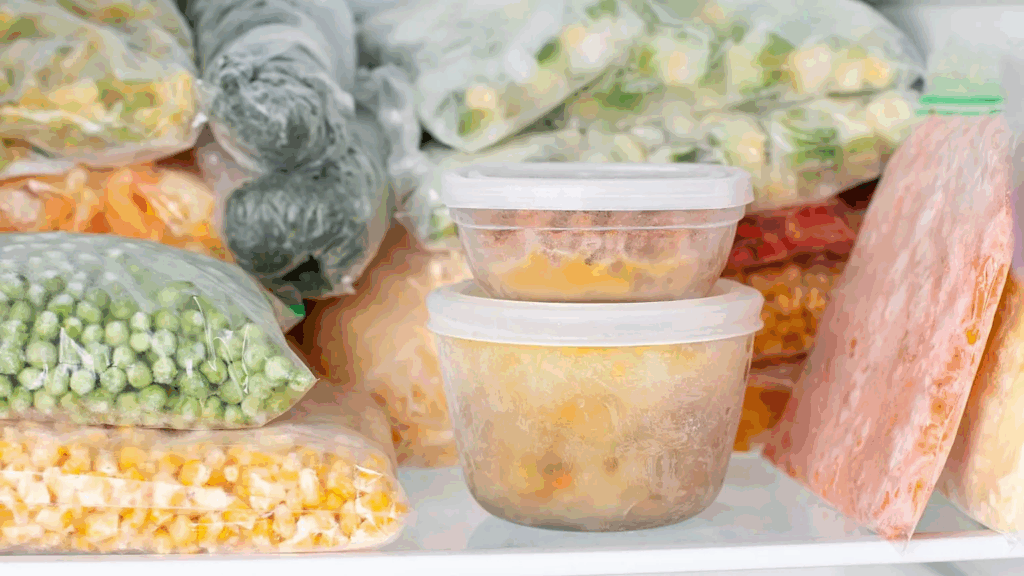
A frozen foods business requires careful planning because the industry involves significant operational and financial risks. A detailed business plan allows companies to evaluate market demand, estimate startup costs, identify target customers, and secure funding from banks or investors.
Market validation: A business plan helps entrepreneurs evaluate customer demand for frozen meals, frozen seafood, frozen bakery products, and organic frozen foods across different U.S. markets.
Financial forecasting: A financial business plan provides projected revenue, operating costs, profit margins, and cash flow analysis essential for investors and lenders.
Operational planning: Frozen food businesses depend heavily on warehousing, refrigeration systems, transportation, and inventory management, making operational planning critical.
Regulatory compliance: The U.S. food industry requires strict compliance with labeling, packaging, food safety, tax, and labor regulations.
Investment readiness: Venture capital firms, banks, and private investors usually request a professional business plan before funding frozen food startups or expansion projects.
Competitive positioning: A strategic business plan helps companies differentiate themselves through branding, product quality, sustainability, and pricing strategies.
The frozen food sector in the USA has evolved rapidly because of urban lifestyles, dual-income households, e-commerce grocery delivery, and consumer preference for convenience foods.
Healthy frozen products: Consumers increasingly demand frozen organic meals, plant-based foods, and low-calorie frozen products.
Private label expansion: Retailers across the USA are launching private-label frozen food brands to compete with established manufacturers.
E-commerce growth: Online grocery platforms and direct-to-consumer frozen meal subscriptions continue expanding across the country.
Advanced packaging technology: Smart packaging and sustainable packaging solutions improve shelf life and attract environmentally conscious buyers.
Restaurant partnerships: Restaurants and food service providers increasingly source frozen ingredients to reduce waste and improve consistency.
Cold chain costs: Maintaining refrigerated storage and transportation significantly increases operational expenses.
Energy price volatility: Frozen warehouses consume substantial electricity, making businesses vulnerable to energy cost fluctuations.
Supply chain disruptions: Delays in transportation or raw material sourcing can impact inventory management and product quality.
Strict food regulations: Companies must comply with FDA and USDA food safety requirements.
High competition: Established brands dominate retail shelf space, creating entry barriers for new businesses.
A professional business plan should include detailed operational, financial, and marketing strategies tailored to the frozen food industry.
Business overview: This section explains the frozen food business model, products offered, target market, and competitive advantage.
Mission and vision: It defines long-term business objectives and market positioning strategies.
Funding requirements: Entrepreneurs should clearly mention required investment amounts and planned use of funds.
Target audience: Frozen food businesses may target retail consumers, restaurants, wholesalers, supermarkets, healthcare facilities, or online buyers.
Industry research: This section analyzes U.S. frozen food consumption trends, customer behavior, and market growth potential.
Competitor analysis: Businesses should evaluate pricing strategies, product offerings, distribution channels, and branding of competitors.
Product categories: Companies may offer frozen meat, frozen vegetables, frozen seafood, frozen desserts, frozen ready meals, or specialty frozen products.
Unique value proposition: Businesses should explain product differentiation such as organic sourcing, premium quality, or sustainable packaging.
Digital marketing: Businesses should use SEO, paid advertising, social media campaigns, and influencer partnerships to reach consumers.
Retail partnerships: Establishing relationships with supermarkets and grocery chains is essential for market penetration.
Brand positioning: Effective branding helps frozen food companies stand out in crowded U.S. retail markets.
Supply chain management: Businesses need efficient sourcing, warehousing, refrigeration, and transportation systems.
Facility requirements: The plan should include warehouse size, freezing equipment, packaging units, and storage capacity.
Inventory management: Proper inventory systems reduce spoilage and improve operational efficiency.
Startup costs: This includes refrigeration systems, warehouse setup, licenses, staffing, inventory, and marketing expenses.
Revenue projections: Financial models estimate sales growth based on market demand and pricing strategy.
Profitability analysis: Businesses must evaluate gross margins, operating margins, and net profits.
Break-even analysis: This determines how long the business will take to become profitable.
Cash flow planning: Frozen food businesses require strong cash flow management due to inventory-intensive operations.
Different business situations require different types of business plans depending on objectives and stakeholders.
Startup business plan: Ideal for entrepreneurs launching a new frozen food brand or manufacturing unit.
Investor business plan: Designed for raising capital from investors, venture capital firms, or banks.
Operational business plan: Focuses on day-to-day logistics, staffing, supply chain operations, and workflow systems.
Strategic business plan: Helps businesses plan expansion into new U.S. states or product categories.
One page business plan: A concise version used for quick presentations or early-stage planning.
Franchise business plan: Used for frozen food franchise models or regional expansion.
Frozen food companies operate in a capital-intensive environment that requires careful financial planning and accurate forecasting.
Cold storage investment: Refrigeration systems and freezer warehouses require substantial upfront investment.
Transportation expenses: Refrigerated trucking and logistics significantly impact operational budgets.
Labor costs: Businesses must consider wages, overtime, benefits, and labor shortages across the United States.
Insurance requirements: Frozen food businesses require liability insurance, inventory insurance, and transportation coverage.
Tax compliance: Businesses must comply with IRS tax regulations and maintain accurate accounting records.
Financial reporting: GAAP-compliant financial reporting improves transparency and investor confidence.
Technology continues transforming the frozen foods industry across the USA through automation, analytics, and digital commerce.
Automated warehouses: Robotics and AI-driven inventory systems improve operational efficiency.
Smart inventory tracking: IoT sensors monitor temperature and product movement throughout the supply chain.
E-commerce integration: Frozen food brands increasingly sell directly through online channels.
Data analytics: Businesses use consumer data to forecast demand and optimize production schedules.
Sustainable operations: Energy-efficient refrigeration systems reduce operational costs and environmental impact.
A frozen ready-meal startup in Texas struggled with financial planning, inventory forecasting, and investor presentations during its expansion phase. The company had strong product demand but lacked a structured business plan and financial model. After developing a professional business plan, the company secured funding, optimized warehouse operations, and expanded distribution into supermarkets across Texas and Florida. The business also improved profitability by streamlining cold chain logistics and introducing data-driven inventory management systems.
A California-based frozen seafood company planned to expand into multiple U.S. retail chains but lacked a comprehensive business plan. The company faced difficulties securing financing because investors needed accurate financial projections, operational strategies, and market analysis.
Market research: Aviaan conducted detailed market analysis covering consumer demand, competition, and pricing trends in the U.S. frozen seafood industry.
Professional business plan: The team developed a strategic business plan including operational workflows, expansion strategies, and investment planning.
Financial modeling: Aviaan prepared revenue forecasts, break-even analysis, cash flow projections, and profitability models.
Operational planning: The company received guidance on warehouse expansion, logistics optimization, and inventory systems.
Investor documentation: Aviaan created investor-ready presentations and financial summaries for funding discussions.
The client successfully secured expansion funding, entered multiple retail partnerships, improved operational efficiency, and increased annual revenue significantly within two years.
Aviaan provides specialized business plan services tailored to the frozen foods industry across the United States. The company understands the operational, financial, and regulatory complexities involved in running frozen food businesses.
Customized business plans: Aviaan develops industry-specific business plans tailored to frozen food manufacturers, distributors, and retailers.
Financial forecasting: The team creates detailed financial models including cash flow analysis, profitability forecasts, and break-even calculations.
Market research: Aviaan conducts in-depth U.S. market analysis covering trends, competition, customer demand, and pricing.
Investor-ready documents: Businesses receive professional investor presentations and funding documentation.
Operational planning support: Aviaan helps optimize supply chains, warehousing, staffing, and logistics strategies.
Accounting and bookkeeping: The firm provides financial management solutions to ensure accurate reporting and compliance.
Business valuation: Frozen food companies receive valuation services for investment, mergers, acquisitions, or expansion planning.
Strategic advisory: Aviaan supports long-term growth planning and market expansion across the USA.
The United States offers strong growth opportunities for frozen food businesses because of its advanced retail infrastructure, high consumer spending, and increasing demand for convenience foods.
Large consumer base: Millions of American households regularly purchase frozen food products.
Retail expansion: Supermarkets, warehouse clubs, and online grocery platforms continue increasing frozen product offerings.
Health-conscious demand: Consumers increasingly prefer healthier frozen alternatives.
Technological infrastructure: Advanced cold chain logistics improve nationwide distribution capabilities.
Investment environment: The U.S. market attracts investors interested in food innovation and scalable consumer brands.
The frozen foods industry in the United States offers strong opportunities for entrepreneurs, manufacturers, and investors. However, success requires strategic planning, operational efficiency, financial discipline, and regulatory compliance. A professional business plan for frozen foods in USA provides the roadmap necessary to manage risks, attract funding, and build sustainable growth.
Businesses operating in this sector must carefully analyze market trends, customer preferences, logistics requirements, and financial projections to remain competitive in the evolving U.S. food market. With expert support from Aviaan, frozen food companies can develop investor-ready business plans, improve operational performance, and achieve long-term success across the United States.
A business plan for frozen foods in USA is a detailed document outlining market strategy, operations, financial forecasts, and growth plans for a frozen food business operating in the United States.
Professional business plan services help businesses create accurate financial projections, market analysis, investor documents, and operational strategies necessary for growth and funding.
A frozen food business plan should include executive summary, market analysis, operational strategy, marketing plan, financial forecasts, and regulatory compliance details.
Startup costs vary depending on warehouse size, equipment, inventory, and distribution model. Costs may range from tens of thousands to several million dollars.
Yes, Aviaan provides investor-ready business plans, financial models, market research, and strategic advisory services for frozen food businesses in the USA.
Major challenges include cold storage costs, logistics management, regulatory compliance, competition, and fluctuating raw material prices.
A startup business plan with detailed financial forecasting, operational planning, and market analysis is most suitable for frozen food startups.
Business Plan for Bakery & Breads Business in USA
Business Plan for Carbonated Soft Drinks Business in USA
Business Plan for Instant Noodles / Ready-to-Eat Foods Business in USA
Business Plan for Coffee & Tea Business in USA
Business Plan for Juices & Functional Drinks Business in USA
Business Plan for Cereals & Breakfast Items Business in USA
Business Plan for Confectionery (Chocolates, Gum) Business in USA
Business Plan for Energy Drinks Business in USA
Business Plan for Cooking Oils & Ghee Business in USA
Business Plan for Condiments & Sauces Business in USA
Business Plan for Plant-Based Foods Business in USA
Business Plan for Baby Food & Formula Business in USA
Business Plan for Health & Protein Bars Business in USA




