


Smart home installation businesses plan help homeowners control lighting, security cameras, door locks, appliances, curtains and climate systems through connected devices. Starting this business requires technical skills, dependable suppliers, trained installers and a clear understanding of customer needs. The initial investment can vary according to the service model, equipment inventory and project size.
A well-prepared smart home installation business plan helps entrepreneurs assess these requirements before committing funds. It sets out the business model, target customers, pricing approach, operating costs and funding needs. It also helps existing electrical contractors and technology providers plan their expansion into residential automation.
Banks, investors, equipment brands and property developers may request a business plan before considering financing, partnerships or approved installer arrangements. The document should explain how the company will acquire customers, manage installation quality and generate enough cash to meet operating expenses and repayment commitments.
Aviaan prepares business plans that connect commercial objectives with financial projections and operating requirements. Our team can help you structure a plan for a new installation company, an established electrical contractor or a technology-led residential service provider. Explore our Business Plan Writing Services in India to understand how our planning support can fit your objectives.
Contact Aviaan to discuss your business plan requirements.
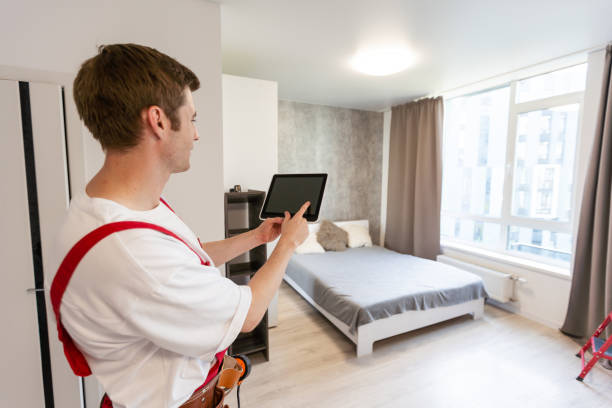
Demand for residential automation can come from new housing developments, home renovations, security concerns, convenience requirements and interest in energy management. However, the size of the smart home installation services market is not established by general electricity or technology statistics alone. Entrepreneurs should distinguish direct market evidence from broader indicators when preparing their plans.
- Market size: A verified national figure specifically covering smart home installation services is not available from the official sources reviewed. The business plan should establish a serviceable market using local housing activity, target property types and documented customer enquiries.
- Market growth: India's smart metering rollout provides a broader indicator of growing digital interaction with electricity systems. The Ministry of Power reported 5.28 crore smart meters installed nationwide under various schemes in its official release. This indicates the scale of smart electricity infrastructure, but it does not measure household automation installations. Source: Ministry of Power update through the Press Information Bureau.
- Market forecasts: Official projections for the precise residential automation installation market were not identified in the sources reviewed. A business plan should therefore develop its own sales scenarios from installation capacity, qualified leads, conversion rates and signed contracts rather than present unsupported national forecasts.
- Product segmentation: The proposed service portfolio may include smart lighting, connected switches, home security, access control, automated curtains, climate controls and integrated home entertainment. Separate product categories help the owner estimate equipment costs, installation hours and service margins.
- Geographic segmentation: Customer demand can differ between metropolitan areas, developing urban centres and smaller cities. The National Building Code of India provides guidance relevant to building services and fire safety, supporting the need to consider local construction and technical requirements. Source: Bureau of Indian Standards — National Building Code.
- Consumer demographics: Potential customers include homeowners, apartment owners, landlords, interior designers and residential developers. A business plan should segment them by property type, purchasing priorities, project size and ability to pay.
- Consumer spending: No official figure specifically measuring Indian household expenditure on smart home installation was identified. The plan should assess willingness to pay through customer quotations, enquiries, documented orders and clearly defined service packages.
- Competitor benchmarking: Compare local installation companies, electrical contractors, security system providers and independent automation specialists. Assess their service portfolios, response times, warranties, pricing structures and maintenance offerings using verifiable information.
- Industry trends: Connected devices, remote monitoring, voice control and integration between lighting and security systems are relevant service categories. The business plan should identify which technologies the company can support reliably rather than assume every customer wants a complete automation package.
- Consumer preferences: Customers may prioritise easy controls, reliable connectivity, privacy, affordable installation and after-sales support. A plan should define standard packages alongside custom integration services to address different requirements.
- Demand drivers: New residential projects, renovations, home security requirements and requests for convenient control can generate business opportunities. Partnerships with electricians, architects, interior designers and property developers can provide additional customer channels.
- Government policies: The National Building Code of India covers building requirements, including electrical and fire safety provisions. The business plan should identify applicable state and local requirements for the specific work undertaken.
- Distribution channels: Equipment may be sourced from authorised distributors, manufacturers and specialist technology suppliers. Sales can come through direct enquiries, online channels, referrals, property developers and professional partnerships.
- Regional opportunities: Established urban housing markets and areas with active residential development may provide potential customer groups. Each proposed location should be assessed using local property activity, supplier access, technician availability and the cost of reaching customers.
- Industry challenges: Device incompatibility, changing product specifications, unreliable connectivity, installation errors and warranty disputes can affect delivery costs. The business plan should include technical checks, staff training, supplier controls and post-installation support procedures.
- International benchmarking: Overseas installation models can provide ideas for service packages, maintenance agreements and integrated device management. These models should be adapted to Indian customer budgets, local product availability and applicable technical standards.
- Business feasibility indicators: Useful indicators include confirmed customer enquiries, average installation value, contribution margin, technician utilisation, repeat service revenue and cash collection time. Together, these measures help determine whether the proposed operating model can support its costs.
Cities such as Bengaluru, Hyderabad, Pune, Mumbai, Chennai, Delhi and Ahmedabad offer potential customer segments to investigate. The right location for a smart home installation business plan India project will depend on the founder's target property types, supplier relationships and service coverage rather than city size alone.
First-time founders, electrical contractors, technology entrepreneurs and established security companies may all benefit from a structured business plan. A professional home automation business plan connects technical capabilities with the commercial and financial requirements of operating a reliable installation company.
- Financing requirements: Banks need to understand the purpose of borrowing, project costs, repayment capacity and expected cash flows. A professionally structured plan explains how funding will be used and how the business intends to meet its obligations.
- Brand and dealership applications: Equipment manufacturers and distributors may assess technical capability, customer coverage, staffing and service arrangements before appointing an installation partner. The plan can present these details in a clear, organised format.
- Initial investment and working capital: Costs may include tools, testing equipment, demonstration devices, inventory, transport, software and technician training. The plan separates one-time setup expenditure from recurring expenses and cash required between customer payments.
- Margin and cash-flow management: Installation revenue alone does not show whether the business can cover wages, travel, equipment purchases and warranty visits. A financial model helps assess pricing, project deposits, payment milestones and the effect of delayed collections.
- Industry-specific risks: Different devices may require different skills, network configurations and troubleshooting procedures. The plan should address compatibility, supplier delays, technical support, warranty responsibilities and fluctuations in project demand.
A well-developed home automation company business plan also helps owners compare service packages, staffing options and expansion priorities before making financial commitments.
Discuss your business planning requirements with Aviaan.
Preparing a smart home installation business plan India requires a clear service model, documented cost assumptions and a financial structure that reflects the company's operating capacity.
1. Define the Business Concept and Objectives: Decide whether the company will focus on individual homes, premium residences, apartment projects, security installations or complete home automation.
2. Identify Target Customers: Define the intended customer groups, service locations, property types and project sizes, then explain how the company will reach them.
3. Specify Products and Services: List smart lighting, access control, surveillance, connected switches, device integration and maintenance services, including the pricing method for each.
4. Plan Suppliers and Operations: Identify equipment suppliers, installation tools, technician requirements, transport arrangements, inventory controls and procedures for testing completed installations.
5. Map Registrations and Compliance: Identify the business registrations, tax obligations, electrical safety requirements and local permissions relevant to the company's location and activities.
6. Prepare Financial Projections and Funding Requirements: Estimate setup costs, staffing expenses, equipment purchases, working capital, sales, operating margins, cash flows and potential repayment obligations.
7. Write the Executive Summary Last: Summarise the completed business model, customer opportunity, funding requirement, operating strategy and financial outlook after the other sections are finalised.
Ask Aviaan to help structure your business plan.
Aviaan develops business plans that connect the technical delivery model of a smart home installation company with its funding requirements, cost structure and growth objectives. Our approach focuses on the information lenders, investors, brands and business owners need to evaluate the proposed venture.
- Application-focused business plans: We organise business information for bank financing, investor discussions, dealership applications, relevant government schemes and internal planning. Final approval remains with the relevant institution or authority.
- Sector-specific financial projections: Our plans account for installation equipment, devices, inventory, technician costs, travel, customer acquisition, maintenance and working capital.
- Finance-led expertise: Financial modelling links proposed sales to operating expenses, contribution margins, cash requirements, break-even performance and debt repayment capacity.
- Support across India: Aviaan supports business planning for entrepreneurs across India, with an office in Belapur, Navi Mumbai, for business coordination.
1. Initial consultation: We discuss the intended service model, target customers, location, funding objective and the business decisions the plan must support.
2. Collection of business information: We gather details about ownership, equipment, supplier arrangements, staffing, pricing, customer channels and available financial records.
3. Business plan and financial model preparation: We develop the written plan and connect sales assumptions with equipment expenditure, labour costs, operating expenses and cash flow.
4. Review and revisions: We refine the document based on your feedback, correct assumptions and address information required for the intended application.
5. Delivery of the final business plan: We provide the completed document in an organised format suitable for the agreed purpose.
Our business plan services cover structured planning and financial projections for different business models. You can also explore our Business Plan Writing Services in India for broader information.
Contact Aviaan to arrange an initial consultation.
A smart home installation business plan sets out the company's commercial model, technical delivery requirements and financial position in one structured document.
1. Executive Summary: An overview of the business concept, target customers, proposed services, funding needs and operating objectives.
2. Business Profile and Ownership: Details of the company structure, ownership, management experience, location and intended business model.
3. Local Demand and Target Customers: An assessment of residential customer groups, property developers, renovation projects and potential service demand in the chosen area.
4. Products, Services and Pricing: A description of automation packages, installation charges, equipment pricing, custom projects, maintenance agreements and warranty support.
5. Supplier and Partner Arrangements: Information about device manufacturers, authorised distributors, electricians, interior designers, technology partners and potential dealership arrangements.
6. Operations and Staffing Plan: The proposed team structure, technician responsibilities, installation workflow, scheduling, quality checks and customer support process.
7. Sector-Specific Operating Requirements: Equipment and tool requirements, device compatibility testing, connectivity checks, software configuration, data protection practices and installation documentation.
8. Regulatory and Compliance Roadmap: Relevant business registration, taxation, electrical installation standards and applicable local requirements. Depending on the work performed, IS 732:2019 provides a code of practice for electrical wiring installations.
9. Financial Projections: Project cost, funding sources, revenue assumptions, margins, cash flow, profit and loss, balance sheet, break-even analysis and repayment planning. The projections should clearly state their assumptions and expected timing of cash inflows and outflows.
10. Risk Analysis and Contingency Planning: Plans for supplier delays, defective devices, warranty claims, installation rework, project cancellations, staff shortages and slower customer payments.
A residential automation business plan should also explain how the company will integrate products from different manufacturers and manage support after installation. For a broader contracting model, see Aviaan's Contractor Business Plan.
Request a fixed-fee quote for your business plan.
Drawn from Aviaan's Smart Home Installation planning work. Client names and details changed to protect confidentiality.
An entrepreneur in Indore plans to establish a smart home installation company serving apartment owners, independent homeowners and interior design firms. The proposed services include smart lighting, connected switches, security cameras and device integration.
The entrepreneur has technical knowledge but needs a structured plan to estimate setup costs, select suppliers, set installation prices and present the funding requirement to a lender.
The business plan would address five areas:
The planned deliverables would include a structured business plan, an operating model, financial projections and a risk management framework. These documents would help the entrepreneur compare operating options, assess funding needs and explain the business proposition to relevant stakeholders.
The plan would not guarantee a loan, investor commitment or commercial success. Those outcomes depend on the business's actual performance, supporting evidence and the decisions of the relevant parties.
The following planning example uses assumed figures to demonstrate how a smart home installation company can assess its monthly break-even point. These amounts are not verified market data or financial forecasts for any specific business.
Break-even sales = Fixed Costs ÷ Contribution Margin Ratio
Break-even sales = ₹2,10,000 ÷ 0.35 = ₹6,00,000 per month.
Under these assumptions, monthly sales of ₹6,00,000 cover the stated fixed costs and variable costs at the assumed contribution margin. Sales above this level may contribute to operating profit, while lower sales may result in an operating loss. This calculation excludes any additional costs not included in the assumptions, such as interest, taxes or unexpected warranty expenditure.
A sector-specific risk can change the result. For example, incompatible devices may require additional technician visits, increasing project costs and reducing the contribution margin. Delayed payments from developers can also create cash shortages even when recorded sales exceed the break-even level.
A properly prepared business plan helps the owner evaluate responses such as revising package prices, improving supplier terms, collecting customer deposits, standardising installation procedures and controlling fixed expenses. The financial model should be updated when actual costs or customer demand differ from expectations.
A smart home installation business plan explains how a company will install, configure and maintain connected residential devices. It covers target customers, services, suppliers, operating requirements, staffing, pricing, funding needs and financial projections to guide business decisions.
The investment depends on the service range, location, inventory policy and team size. Costs may include tools, testing equipment, demonstration devices, initial stock, transport, training, marketing and working capital. Prepare a cost estimate based on supplier quotations and operating requirements.
Start by defining your target customers and installation services. Identify suppliers, develop technical capabilities, determine registration requirements, prepare pricing and estimate setup costs. A detailed business plan helps connect these decisions with staffing, customer acquisition, funding and cash-flow requirements.
A home automation business plan India should cover local customer segments, automation packages, equipment sourcing, installation procedures, pricing, staffing, compliance and financial projections. It should also explain how the company will handle device compatibility, warranty claims, maintenance and customer support.
Suitable formats include a smart lighting installation service, home security installation company, residential automation integrator or full-service smart home technology provider. An entrepreneur can also serve property developers or offer maintenance contracts, depending on technical skills, capital and customer demand.
Yes. A business plan can explain the project cost, purpose of borrowing, expected sales, operating expenses, cash flow and repayment capacity. However, the bank determines eligibility, security requirements, lending terms and final approval based on its own assessment.
Requirements depend on the business structure, location and services offered. They may include business registration, applicable GST obligations, local permissions and relevant electrical safety requirements. The owner should confirm current obligations with the appropriate authorities and qualified professionals.
Aviaan provides a fixed-fee quotation after an initial consultation and review of the required scope. Pricing depends on business complexity, available information, financial modelling requirements and the intended application. Contact Aviaan to discuss your project.
A smart home installation business plan helps entrepreneurs connect technical expertise with customer demand, operating requirements and financial discipline. By planning equipment costs, service pricing, staffing, supplier arrangements and cash flow, owners can make better-informed decisions before investing or expanding. Aviaan prepares sector-specific business plans for financing, investor discussions and internal planning, with projections tailored to the proposed business model.
Contact Aviaan for a smart home installation business plan or email advisory@aviaanaccounting.com.




