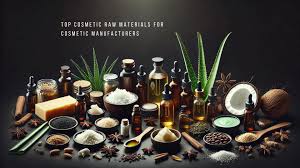
Cosmetic Raw Materials (not finished products) Business Feasibility Study, Market Research and Business Plan Services in USA
Launching a cosmetic raw materials business in the highly dynamic and regulated US market requires more than just capital; it demands a strategic roadmap based on meticulous research and planning. This guide details the essential steps—Market Research, Feasibility Study, and Business Plan creation—and showcases how Aviaan’s deep industry expertise can ensure your success.
December 10, 2025
14 min read
COMMERCIAL EXCELLENCE
Loading...
Strategic guidance and institutional-grade solutions customized for your enterprise objectives.
Talk to a Financial Expert
Schedule a complimentary 30-minute discovery call to discuss your enterprise’s financial trajectory.
By submitting, you agree to our Privacy Policy.
Table of Contents
The United States represents one of the largest and most sophisticated markets for cosmetic products globally. The underlying engine of this multi-billion dollar industry is the cosmetic raw materials sector—the suppliers of the active ingredients, emollients, surfactants, preservatives, and botanical extracts that form the basis of every cream, serum, and makeup product. Driven by strong consumer demand for clean beauty, natural ingredients, anti-aging actives, and sustainable sourcing, the US market for cosmetic raw materials is experiencing continuous growth. Entering or expanding in this market requires a disciplined, data-driven approach, utilizing a Market Research, a Feasibility Study, and a robust Business Plan. For companies looking to navigate the complexities of this highly-regulated and competitive landscape, expert advisory services are indispensable.
Comprehensive Market Research: Unveiling the US Cosmetic Raw Materials Landscape
Effective market research is the foundational step for any successful venture into the US cosmetic raw materials market. It moves beyond superficial data to provide a deep, actionable understanding of the market dynamics, competitive forces, and regulatory environment.
Market Size, Trends, and Segmentation
The US market for cosmetic raw materials is substantial, estimated to be worth billions of dollars annually, with skin care ingredients accounting for a significant portion. A thorough market research effort must identify the precise size and growth rate (CAGR) of the target ingredient segment, such as bioactives, natural extracts, or specialty polymers. Key trends driving this market include:
The Clean Beauty Movement: Surging demand for organic, vegan, and cruelty-free raw materials, forcing a shift from traditional synthetic chemicals to bio-derived and plant-based alternatives.
Active and Functional Ingredients: A strong emphasis on ingredients with proven clinical claims for anti-aging, hydration, and skin barrier function, like peptides, hyaluronic acid, and antioxidants.
Sustainability and Traceability: Growing pressure from finished product manufacturers and consumers for ethically sourced and transparent supply chains, including upcycled ingredients and sustainable packaging solutions.
Competitive Analysis and Target Audience
The raw materials market is dominated by large, multinational chemical and specialty ingredient companies (e.g., BASF, Evonik, Croda, Lonza) but also contains numerous smaller, niche suppliers focusing on unique botanicals or biotechnology-derived materials. Market research must map out the competitive landscape, identifying their product portfolios, pricing strategies, distribution channels (direct sales, distributors, online platforms), and R&D capabilities. Crucially, it must pinpoint the target audience, which includes:
Large Multinational Cosmetic Brands: Seeking high-volume, reliable supply and co-development of custom ingredients.
Mid-Sized and Indie Brands: Often prioritizing unique, trendy, or clean-label ingredients with lower minimum order quantities (MOQs).
Contract Manufacturers (CMs): Requiring a broad range of high-quality, cost-effective, and compliant ingredients for diverse client portfolios.
Regulatory and Compliance Analysis
Operating in the US means adhering to the regulations set by the Food and Drug Administration (FDA), particularly under the Modernization of Cosmetics Regulation Act of 2022 (MoCRA). Unlike finished drugs, cosmetic ingredients (excluding color additives) do not require pre-market approval, but the supplier is legally responsible for ensuring the safety and adequate substantiation of all ingredients. Market research must establish:
Required Testing and Documentation: The standards for safety substantiation, Good Manufacturing Practices (GMP) compliance (soon to be mandated by MoCRA), and adverse event reporting requirements.
Prohibited and Restricted Lists: Knowledge of ingredients banned or restricted by the FDA and other international bodies (e.g., in the EU, which often influences US brand choices).
Labeling and Claim Requirements: Ensuring technical documentation and labeling conform to US standards (INCI naming convention, allergen disclosure).
The Feasibility Study: Stress-Testing Your Cosmetic Ingredient Business Model
The feasibility study takes the insights from market research and subjects the proposed business model to rigorous analysis—technical, operational, and financial—to determine its practical viability and likelihood of commercial success in the US.
Technical and Operational Feasibility
This analysis focuses on the practicalities of creating, manufacturing, and delivering the raw material.
Manufacturing and Quality Control: Can you reliably produce your ingredient at the required scale, purity, and consistency? This involves assessing your production facility (or a co-manufacturer's), R&D infrastructure, and quality assurance/quality control (QA/QC) protocols, which must meet upcoming FDA GMP standards.
Supply Chain and Logistics: The US is vast, making logistics critical. The study must assess the viability of sourcing raw botanicals (domestically or internationally), managing customs and tariffs, and establishing efficient warehousing and distribution networks to serve major cosmetics manufacturing hubs (e.g., New York, California, Texas).
Talent and Expertise: Do you have access to qualified personnel, including Cosmetic Chemists, Regulatory Affairs Specialists, and specialized sales professionals familiar with B2B ingredient selling?
Financial and Economic Feasibility
This is the core of the feasibility study, translating market potential into projected financial performance.
Cost Analysis: A detailed breakdown of Cost of Goods Sold (COGS), including raw material sourcing, production overhead, QC testing, and packaging. This also includes startup capital for R&D, facility setup, regulatory compliance, and initial inventory.
Pricing Strategy: Determining competitive and profitable pricing models based on the ingredient type (commodity vs. specialty active), volume requirements, and competitor benchmarking. This is essential given the high bargaining power of large buyers.
Financial Projections: Creating comprehensive 5-year financial forecasts, including revenue projections, pro forma P&L statements, cash flow analysis, and break-even analysis. This projection must account for long sales cycles inherent in B2B ingredient sales.
Risk Assessment: Quantifying risks such as commodity price volatility, regulatory changes (e.g., new MoCRA rules), intellectual property (IP) infringement, and the threat of substitute ingredients.
The Strategic Business Plan: The Blueprint for Success
The business plan synthesizes all the information into a single, comprehensive document that serves as the company's internal roadmap and its primary tool for external fundraising and partnership building. It is the final, polished document that communicates the vision, strategy, and financial viability to investors and stakeholders.
Key sections must include:
Executive Summary: A concise, persuasive pitch of the opportunity.
Company Description: Mission, legal structure, and core competencies (e.g., expertise in fermentation or sustainable sourcing).
Products/Services: Detailed technical profile of the raw material portfolio, including INCI names, key benefits, application areas (skincare, haircare, color), and safety substantiation.
Market Analysis: Data from the initial market research.
Marketing and Sales Strategy: The plan for reaching formulators and procurement teams through B2B channels, trade shows (e.g., In-Cosmetics), digital marketing, and dedicated technical sales teams.
Financial Plan: The vetted financial projections from the feasibility study.
How Aviaan Can Help Your Cosmetic Raw Materials Business in the USA
Establishing a cosmetic raw materials business in the complex US market requires specialized knowledge that spans across chemical formulation, stringent FDA compliance, and B2B supply chain management. Aviaan, as a global business advisory and consulting firm, possesses the industry-specific expertise, analytical rigor, and project management capabilities to transform a raw material concept into a fully validated and investor-ready business venture. Aviaan's approach is methodical, comprehensive, and tailored to the unique demands of the ingredient sector.
1. Advanced Market Research and Intelligence
Aviaan goes beyond generic data to provide actionable competitive intelligence for the cosmetic ingredients sector.
Deep Dive on Ingredient Segments: Aviaan's analysts specialize in segmenting the market not just by application (skincare, haircare) but by ingredient function (rheology modifiers, bioactives, emulsifiers). They can identify high-growth niches, such as microbiome-friendly ingredients or upcycled botanicals, where competition is still developing. They provide granular data on average selling prices (ASPs), typical MOQ requirements of major CMs, and the rate of adoption of new actives by US beauty brands.
Primary Research & Formulator Insights: The success of a raw material depends on its adoption by cosmetic chemists and formulators. Aviaan conducts targeted interviews and surveys with R&D managers and procurement heads at major US cosmetic companies. This primary research uncovers crucial practical details: what are their technical pain points with existing ingredients (e.g., stability, solubility, ease of formulation), what clinical data are they currently demanding, and what are their sustainability metrics for supplier selection? This intelligence is vital for defining the Unique Selling Proposition (USP) of the client's ingredient portfolio.
Regulatory Monitoring and Impact Analysis (MoCRA): The Modernization of Cosmetics Regulation Act (MoCRA) of 2022 is the biggest shake-up in US cosmetic law in decades. Aviaan’s regulatory experts provide a forward-looking analysis of MoCRA’s impact on ingredient suppliers. This includes future Good Manufacturing Practices (GMPs) requirements for facilities, the need for enhanced safety substantiation records, and the forthcoming fragrance allergen disclosure rules. Aviaan ensures the client's business model is future-proofed by building compliance into the operating model from day one, mitigating the risk of expensive retrospective changes.
2. Rigorous Feasibility Study and Financial Modeling
Aviaan’s expertise in developing high-stakes financial models is critical for the capital-intensive raw materials industry.
Technical and Production Validation: For clients intending to manufacture, Aviaan assists in the site selection and capital expenditure (CapEx) planning for a US-based production facility, ensuring compliance with both local and future FDA GMP standards. For clients relying on outsourcing, Aviaan conducts Technical Due Diligence on potential US co-manufacturers or international partners, assessing their QC protocols, batch-to-batch consistency, and ability to handle specialized processes like fermentation or encapsulation. This is key to guaranteeing the raw material’s technical performance.
Detailed COGS and Pricing Structure: Aviaan’s financial modeling breaks down the Cost of Goods Sold (COGS) to a granular level, factoring in variable costs (e.g., botanical material costs, energy, labor) and fixed costs (facility maintenance, QC testing). They then develop a multi-tiered pricing strategy that accounts for high-volume commodity sales versus lower-volume, high-margin specialty actives. This model includes sensitivity analysis to test profitability under scenarios like a 20% increase in sourcing costs or a 10% drop in market ASPs, providing a clear path to long-term profitability.
Logistics and Supply Chain Optimization: The feasibility study includes a detailed logistics and warehousing strategy. Aviaan will analyze the trade-off between domestic US warehousing (closer to customers, faster delivery) versus international fulfillment models. This includes modeling the total cost of ownership (TCO) for different distribution methods (e.g., air freight vs. sea freight) and ensuring the cold-chain integrity for sensitive biological actives is maintained across the US supply chain.
3. Strategic Business Plan Development
Aviaan translates complex technical and financial data into a coherent and compelling narrative essential for securing funding and attracting talent.
Investor-Grade Documentation: The final business plan is structured to meet the rigorous standards of US venture capital firms, private equity groups, and strategic investors in the chemical and personal care sectors. The executive summary powerfully articulates the competitive advantage—be it a patented green chemistry process, exclusive sourcing rights for a unique US botanical, or a proprietary delivery system.
Sales and Distribution Strategy: Aviaan helps define the optimal go-to-market strategy. This includes whether to use an in-house technical sales team (high control, high cost) or a network of independent distributors (faster market reach, lower control). The plan outlines a phased sales approach targeting specific client tiers (Indie brands first, then mid-market CMs, eventually large multinationals) and provides realistic sales pipeline forecasts.
IP and R&D Roadmap: The business plan includes a clear strategy for Intellectual Property (IP) protection, a critical asset in the raw materials sector. Aviaan helps map out the future R&D roadmap, detailing the next generation of ingredients to be developed, the required investment, and the expected commercial launch timeline. This demonstrates a commitment to sustained innovation, which is highly valued by investors.
In essence, Aviaan acts as a crucial bridge between the scientific and chemical expertise of the client's team and the commercial and regulatory realities of the US market. By providing comprehensive support across market validation, financial vetting, and strategic planning, Aviaan significantly de-risks the launch and accelerates the path to market leadership in the highly competitive cosmetic raw materials business.
Conclusion
The US cosmetic raw materials market offers immense opportunity, particularly for suppliers focused on active ingredients, clean beauty, and sustainability. However, success is predicated on thorough preparation. A precise Market Research identifies the needs of formulators and the competitive landscape. A rigorous Feasibility Study stress-tests the financial and operational model. Finally, a strategic Business Plan provides the professional blueprint for execution and capital acquisition. Aviaan’s specialized services are uniquely positioned to navigate the complexities of this B2B sector, from anticipating MoCRA regulatory changes to optimizing supply chain logistics, ensuring your cosmetic raw materials venture achieves maximum potential in the US.
Case Study: Bio-Tech Innovation in the Active Ingredients Segment
Company Profile and Challenge
Client: BioActives US, a startup founded by two PhDs in Green Chemistry, aimed to commercialize a novel bio-fermentation process to produce a highly sought-after peptidic anti-aging active in the United States. The challenge was multifaceted: the technology was patented but unproven at commercial scale; the cost of production was high; and the regulatory path for a new, synthetic-free active ingredient needed expert navigation. Their market was the premium and luxury skincare segment.
Aviaan’s Mandate and Approach
BioActives US engaged Aviaan to conduct a full Market Research, Feasibility Study, and Business Plan to secure a $20 million Series A funding round. Aviaan executed the following:
1. Strategic Market Validation
Premium Pricing Tolerance: Aviaan conducted primary research targeting Heads of R&D at 30 mid-to-large US-based luxury skincare brands. The research confirmed a high willingness to pay (WTP) a 30-50% premium for a domestically produced, high-purity, sustainable alternative to the existing European-sourced active. This validated the core assumption of the business model.
Competitive Gap Analysis: Analysis showed that while a few large global suppliers offered similar actives, their supply chains were complex and lacked the sustainable/zero-waste claim of BioActives US’s fermentation process. This confirmed a clear competitive advantage and market positioning niche based on sustainability and domestic sourcing.
MoCRA Pre-Compliance: Aviaan initiated a pre-emptive safety substantiation plan, outlining the in vitro and in vivo testing required to create the Cosmetic Product Safety Report (CPSR)-ready file that finished product manufacturers would demand under the new MoCRA framework.
2. Financial and Operational Feasibility
Scale-Up Cost Modeling: The initial financial model created by the founders drastically underestimated the CapEx for a GMP-compliant fermentation facility. Aviaan’s engineering consultants worked with BioActives US to develop a phased, three-year scale-up plan. Phase 1 utilized a contract fermentation facility, minimizing initial CapEx to $5 million, and Phase 2 involved building a dedicated modular facility funded by Series A. The final COGS model was revised based on this phased approach, showing a projected 25% gross margin in Year 1 (contract manufacturing) increasing to a 55% gross margin in Year 3 (dedicated facility).
Risk Mitigation: The biggest risk was the technical scale-up of the biological process. The feasibility study quantified this risk and created a mitigation strategy: securing a standby co-manufacturer in Texas and negotiating long-term fixed-price contracts for the nutrient feedstock to mitigate commodity price volatility.
Sales Cycle Velocity: Aviaan advised on a technical sales strategy, projecting a 9-15 month sales cycle from initial sample submission to a commercial order. This realistic timing was incorporated into the cash flow statement, preventing an overly optimistic forecast that could have spooked investors.
3. Business Plan and Funding Outcome
Aviaan drafted an investor-grade Business Plan, centrally featuring the technical superiority, IP protection, and high-margin, MoCRA-compliant financial projections. The plan emphasized the story of Made-in-USA sustainable biotech as a key differentiator. The refined documents and strategic guidance allowed BioActives US to clearly articulate their value proposition.
Outcome: BioActives US successfully closed an oversubscribed $25 million Series A funding round. The investors cited the rigorous risk analysis, the phased CapEx approach, and the proactive MoCRA compliance strategy (all developed by Aviaan) as critical factors in their decision to invest. The company proceeded with the contract manufacturing phase and is on track to break ground on its dedicated facility within 18 months. This case study demonstrates the power of a strategically vetted and rigorously documented business plan in the high-science segment of the cosmetic raw materials industry.
Talk to an Expert
Schedule a complimentary 30-minute discovery call to discuss your requirements.
Partner with Aviaan Advisory today to unlock your business’s full potential. Our team of experts is here to provide tailored solutions and guide you every step of the way.