Market Research, Feasibility Studies, and Business Plan Services for Ice Cream & Desserts Sector in Italy
October 29, 2025
13 min read
COMMERCIAL EXCELLENCE
Loading...
Strategic guidance and institutional-grade solutions customized for your enterprise objectives.
Talk to a Financial Expert
Schedule a complimentary 30-minute discovery call to discuss your enterprise’s financial trajectory.
By submitting, you agree to our Privacy Policy.
Table of Contents
In Italy, ice cream (gelato) is not a mere dessert; it is a cultural institution, a daily ritual, and a symbol of la dolce vita. The Italian ice cream and dessert market is a landscape of profound contrasts, where centuries-old artisanal gelaterie stand alongside industrial giants and a new wave of innovative concepts. For a food entrepreneur or an established CPG (Consumer Packaged Goods) company, this market represents a tantalizing opportunity, yet it is one of the most competitive and discerning food sectors in the world. Success here requires more than a sweet recipe; it demands a strategic approach that honors tradition while daring to innovate.
Launching a successful gelato brand, dessert shop, or packaged dessert line in Italy means navigating a market where consumers are connoisseurs. They can distinguish between gelato artigianale and industrial imposters, value premium, natural ingredients, and have deeply ingrained regional preferences. The winning venture must master the delicate balance between authenticity and novelty, quality and scalability.
This comprehensive guide will explore the three essential layers for building a successful ice cream and dessert venture in Italy: deep Market Research, a rigorous Feasibility Study, and a compelling Business Plan. This disciplined process is essential to secure investment, perfect your product, and build a brand that earns a loyal following in the birthplace of gelato.
Part 1: Market Research for Ice Cream & Desserts in Italy - Sizing the Sweet Spot
Market Research is the process of understanding the complex flavors and consumption habits of the Italian consumer. It moves you from a general concept ("We should open a gelateria") to a validated, strategic insight ("There is a specific, underserved market for premium, vegan gelato made with Piedmont hazelnuts (Nocciola PGI) and organic Sicilian almonds, targeting health-conscious urban professionals and tourists in cities like Milan and Florence who seek the authentic gelato artigianale experience but are constrained by dairy-free or vegan diets").
Key Components of Effective Ice Cream & Dessert Market Research in Italy:
Market Sizing, Segmentation & Trend Analysis:
Total Addressable Market (TAM): What is the total value of the Italian ice cream and dessert market? This includes both the artisanal and industrial gelato sectors, as well as packaged desserts and pasticceria.
Key Market Segments: Precisely defining your category is critical:
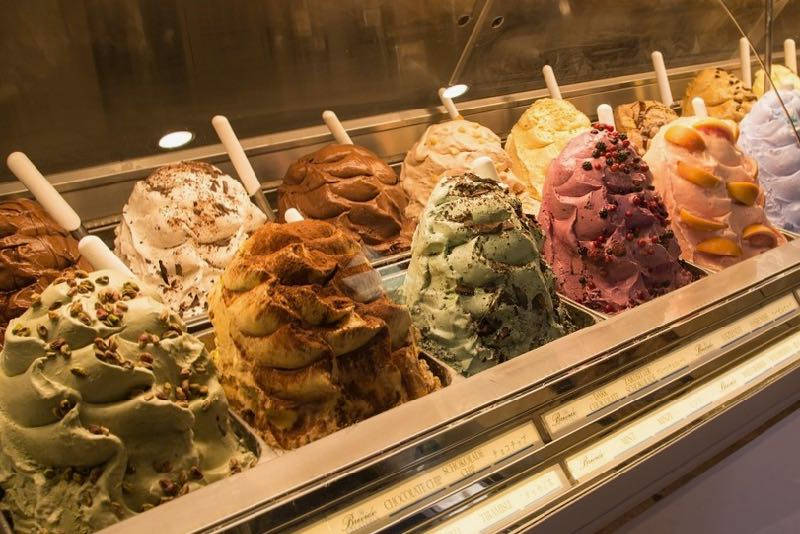
Artisanal Gelato (Gelato Artigianale): The gold standard, characterized by fresh, natural ingredients, lower air content (overrun), and shorter shelf life. This includes gelaterie and pastry shops (pasticcerie).
Industrial Ice Cream: Mass-produced, branded products sold in supermarkets, characterized by longer shelf life and stability.
Plant-Based & Free-From: The rapidly growing segment of vegan gelato, sorbetto, and lactose-free desserts.
Gourmet & Experiential Desserts:Dessert bars, affogato concepts, and products featuring premium ingredients like single-origin chocolate or rare fruits.
Consumer Trends & Drivers: Identifying powerful shifts is key to differentiation:
The Premiumization of Indulgence: Willingness to pay more for high-quality ingredients (e.g., Bronte pistachios DOP, Madagascar vanilla), clean labels, and unique flavor experiences.
Health & Wellness: Demand for low-sugar, organic (biologico), plant-based, and functional desserts (e.g., with added probiotics or protein).
Sustainability & Provenance: Focus on local sourcing, ethical supply chains, reduced packaging, and stories of terroir.
Novelty & Experience: The rise of instagrammable desserts, limited-edition flavors, and theatrical preparation.
Competitive Landscape Analysis:
The Artisanal Gelateria: Thousands of independent shops, each with its own loyal clientele. They are the benchmark for quality and your most direct competitors. Analyzing their location, pricing, and flavor rotations is essential.
Industrial Ice Cream Giants:Unilever (Algida, Carte D'Or) and Nestlé (Motta, Antica Gelateria del Corso) dominate supermarket freezers with massive marketing budgets.
Premium Packaged Brands:Grom and Venchi have successfully bridged the artisanal and retail worlds.
Pastry & Dessert Chains: Brands like Pompi (tiramisu) that have scaled a single dessert concept.
Consumer Insights & Ritual Mapping:
The "Passeggiata" Ritual: Gelato is often consumed as an evening social activity, a treat during a walk. Location and ambiance are paramount.
Seasonality vs. Year-Round Demand: While summer is peak season, urban centers have strong year-round demand. Product offerings may need to adapt (e.g., richer flavors in winter).
The Italian Palate: Italians prefer less sweet, more intense, and natural fruit-based flavors compared to other markets. Understanding regional preferences (e.g., cream-based in the North, fruit-based in the South) is crucial.
Channel Preferences: Where do Italians get their desserts?
Gelaterie & Pasticcerie: For fresh, artisanal quality.
Large-Scale Retail (GDO): For packaged ice cream and desserts for home consumption.
HoReCa (Hotel, Restaurant, Café): For dessert menus and affogato.
E-commerce: A nascent but growing channel for premium, direct-to-consumer dessert gifts and subscriptions.
Regulatory & Supply Chain Landscape:
Food Safety & Hygiene (HACCP): Strict protocols, especially for temperature control in the cold chain, are non-negotiable.
Labeling & Ingredient Declaration: Full compliance with EU regulations is required, particularly for allergen information (nuts, dairy, gluten).
Raw Material Sourcing & Cost Volatility: Securing consistent, high-quality supplies of milk, cream, fresh fruit, and nuts at a stable cost is a major challenge, especially for DOP-certified ingredients.
Part 2: The Feasibility Study - Churning the Numbers for Profitability
Market research confirms there's an appetite for your concept; the Feasibility Study determines whether your specific ice cream or dessert concept is technically viable, operationally sound, and financially sustainable. It answers the critical question: "Can we produce and sell this product at a cost and price that yields a consistent profit, while delivering an exceptional customer experience?"
Core Elements of an Ice Cream & Dessert Feasibility Study:
Product & Production Feasibility:
Recipe Formulation & Shelf-Life: For gelato, achieving the perfect balance of sweetness, texture, and flavor intensity is a science. For packaged products, shelf-life testing and stability against ice crystals are critical.
Production Process & Equipment: Will you use a batch freezer (pastorizer) for artisanal gelato or partner with a co-manufacturer (co-packer) for packaged goods? The investment in a gelato laboratory is significant.
Cold Chain Integrity: From production to point of sale, maintaining a perfect cold chain is essential for product quality and safety. This includes blast freezers, display cabinets, and logistics.
Location & Operational Feasibility (for Retail):
Site Selection Analysis: For a gelateria, this is everything. Criteria include foot traffic, visibility, proximity to tourist attractions or schools, and competition density.
Store Fit-Out & Ambiance: The design and feel of the shop are part of the brand experience and a major capital cost.
Labor & Skill Requirements: Finding and retaining skilled gelatieri is a key operational challenge and cost.
Business Model & Go-to-Market Feasibility:
Pricing & Margin Structure: Developing a defensible pricing strategy. A single scoop in a tourist hotspot can command €3.50+, while a supermarket tub competes on volume. The model must account for high ingredient costs, energy-intensive refrigeration, and labor.
Revenue Streams: Defining your model. Will it be scoop-by-scoop retail, wholesale to HoReCa, packaged goods in GDO, or a hybrid model?
Brand Positioning: Defining your brand's unique angle. Is it "The Guardian of Traditional Gelato," "The Innovator of Vegan Desserts," or "The Gourmet Dessert Experience"?
Economic and Financial Feasibility:
Capital Investment (CAPEX): High costs for equipment (freezers, pasteurizers), fit-out, and, if applicable, a co-packer's minimum order quantity.
Operational Costs (OPEX): Projecting costs for ingredients, labor, rent, utilities (refrigeration is a major expense), and marketing.
Revenue Modeling: Building a realistic forecast. For retail, this is based on daily customer count and average transaction value. For packaged goods, it's based on distribution points and sales velocity.
Break-Even Analysis: Calculating the number of scoops or units that must be sold daily to cover all costs. This is the most critical number for a gelateria owner.
Part 3: The Business Plan - The Strategic Blueprint for a Sweet Success
The Business Plan is the master document that synthesizes all analysis into a persuasive narrative for investors and partners. It translates the dream of a perfect gelato into a solid financial case.
What Investors and Lenders Look for in an Ice Cream Business Plan:
Executive Summary: A powerful, one-page summary that captures your brand's unique concept, the demonstrated market opportunity, your team's expertise, and the financial potential.
Company & Concept Description: A clear description of your company and what makes your dessert offering special (e.g., "a gelateria focusing on single-organic ingredients and zero-waste principles").
Product Portfolio: A detailed list of your core offerings and signature items, highlighting your unique flavors and ingredient quality.
Market Analysis Summary: Evidence that you know your local competition, consumer trends, and your target customer.
Marketing & Sales Strategy: A tactical plan for your launch and ongoing customer acquisition. This should include:
Local Marketing & Community Engagement: Grand opening events, loyalty programs, and partnerships with local businesses.
Digital Presence: An active Instagram account showcasing beautiful product photography and the story behind your gelato.
Sales Strategy: Your plan for wholesale accounts or retail distribution.
Management & Team: Profiles of the key people, especially the gelato maestro or head pastry chef.
Financial Projections: The heart of the plan. It must be realistic and include:
3-5 Year Profit & Loss Statement
Monthly Cash Flow Forecast for Year 1 (critical for managing seasonality)
Projected Balance Sheet
Break-Even Analysis
Funding Request: A precise statement of the capital required and a detailed breakdown of its use (e.g., €150,000 for gelato equipment, shop fit-out, and initial working capital).
How Aviaan Can Be Your Strategic Partner in the Italian Dessert Market
Creating a successful ice cream or dessert company in Italy requires a blend of culinary art, operational science, and sharp business strategy. Aviaan acts as your expert partner, providing the market intelligence and financial rigor to ensure your venture is both delightful and profitable.
Our tailored advisory services for Ice Cream & Dessert Companies in Italy include:
Hyper-Local Market Intelligence: We provide granular data on neighborhood foot traffic, competitor density, and tourist flows to inform your location strategy.
Operational Setup & Workflow Optimization: We help you design an efficient gelato lab or shop layout to maximize productivity and minimize waste.
Pricing & Margin Analysis: We conduct detailed analysis of ingredient costs, overhead, and local pricing to help you establish a strategy that ensures healthy margins.
Financial Modeling for Food & Beverage: We build robust, defensible financial models that accurately reflect the seasonal sales cycles and high operational costs of the dessert business.
Bank & Investor-Ready Business Plans: We specialize in crafting compelling business plans that tell a persuasive story and provide the financial clarity needed to secure a business loan or investment.
Case Studies: From Concept to Cone
Case Study 1: "Gelato al Naturale" - An Organic Gelateria Chain
The Client: A team of food enthusiasts with a vision to create a small chain of certified organic gelaterie in Northern Italian cities, using exclusively bio ingredients and sustainable packaging.
The Challenge: The premium organic positioning meant higher ingredient costs. The client needed a strategy to justify a 20% price premium and secure €300,000 to open their first two locations.
How Aviaan Helped:
Market Research: Our analysis identified a growing segment of health-conscious families and millennials in cities like Bologna and Turin who actively sought out organic products and were willing to pay more for guaranteed quality and sustainability.
Feasibility Study: The study focused on a "Quality as Marketing" strategy. Instead of competing on the number of flavors, they would focus on a curated selection, with each ingredient's origin story highlighted in-store. The financial model showed that the higher footfall from a prime location would compensate for the higher costs.
Business Plan & Outcome: The business plan positioned "Gelato al Naturale" as "A Pure Taste of Italy." It featured transparent sourcing and a strong community ethos. The compelling brand story and solid unit economics convinced a private investor to provide €280,000. The first two locations opened to critical acclaim, with the premium positioning allowing them to avoid direct price competition and build a loyal, repeat customer base.
Case Study 2: "DolceVita" - A Premium Packaged Tiramisu Line
The Client: A pastry chef renowned for his artisanal tiramisu wanted to scale his recipe into a premium, packaged dessert for sale in high-end supermarkets.
The Challenge: Packaged tiramisu is a crowded, low-margin category dominated by industrial producers. The client needed a viable model to justify a price point 3x the market average and attract €200,000 for a co-packer and launch.
How Aviaan Helped:
Market Research: We found that the gap in the market was not for another tiramisu, but for an authentic one. We identified an opportunity to position "DolceVita" as the "Restaurant-Quality Tiramisu, At Home," using Mascarpone DOP, espresso from a historic Roman roastery, and Savoiardi biscuits from a small Piemontese producer.
Feasibility Study: The study recommended a top-down channel strategy. The product would first launch in the gourmet sections of high-end supermarkets (e.g., Eataly, Peck) and luxury hotel minibars to build brand prestige, before considering broader distribution.
Business Plan & Outcome: The business plan presented "DolceVita" as "The Tiramisu of the Maestro." The packaging was elegant, and the ingredient list was a key part of the marketing. The uncompromising quality story and focused channel strategy convinced a food-focused venture fund to invest €180,000. DolceVita secured a coveted listing in a national gourmet chain, where its superior taste justified the premium price, creating a profitable niche business.
Conclusion: Freeze Your Vision with a Solid Strategic Foundation
The Italian ice cream and dessert market is a testament to the country's passion for quality and pleasure. For those who can combine culinary excellence with a robust business strategy, the opportunity to build a beloved and profitable brand is real. Treating comprehensive market research, a rigorous feasibility study, and a meticulously crafted business plan as the essential pre-production steps is the most effective way to secure funding, choose the right location, and create a business model that is as sustainable as it is delicious.
These documents are your strategic recipe for turning a passion for desserts into a prosperous and enduring enterprise.
Ready to launch your ice cream or dessert venture in Italy?
Contact Aviaan today for a confidential consultation. Our team of food & beverage and investment strategy experts is ready to help you analyze your concept, validate its market potential, and develop a strategic blueprint for a successful launch.
Partner with Aviaan Advisory today to unlock your business’s full potential. Our team of experts is here to provide tailored solutions and guide you every step of the way.