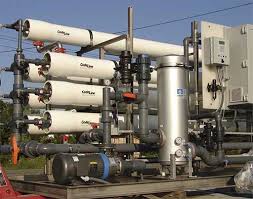
Water Treatment Equipment Business Feasibility Study, Market Research and Business Plan Services in USA
Launching or expanding a Water Treatment Equipment business in the USA requires deep market insights and a strategic plan. This guide details the essential steps of market research, feasibility studies, and business plan development, highlighting Aviaan’s role as your expert partner in this highly regulated and dynamic sector.
December 11, 2025
14 min read
COMMERCIAL EXCELLENCE
Loading...
Strategic guidance and institutional-grade solutions customized for your enterprise objectives.
Talk to a Financial Expert
Schedule a complimentary 30-minute discovery call to discuss your enterprise’s financial trajectory.
By submitting, you agree to our Privacy Policy.
Table of Contents
The water treatment equipment industry in the United States is a critical sector, driven by stringent environmental regulations, aging municipal infrastructure, increasing industrial demand for high-purity water, and growing public awareness of water quality issues. The U.S. water and wastewater treatment equipment market is a multi-billion dollar industry, projected to grow significantly in the coming years. This robust growth, however, comes with significant complexities, including navigating diverse state-level regulations, technological innovation, and intense competition. For any entrepreneur or established global firm looking to enter or expand within this market, a comprehensive approach encompassing detailed market research, a rigorous feasibility study, and a robust business plan is non-negotiable. This is where the specialized expertise of a consulting firm like Aviaan becomes indispensable.
The Mandate of Market Research in the U.S. Water Treatment Sector
Market research is the foundational step, providing the essential intelligence needed to define a viable business strategy in the diverse and highly fragmented U.S. market. The scope must be meticulously tailored to the specific equipment segment, whether it's membrane systems (Reverse Osmosis, Ultrafiltration), disinfection equipment (UV, Ozonation), filtration, or sludge management technology.
Analyzing Market Segments and Trends
The U.S. water treatment market is segmented primarily into Municipal and Industrial applications, with the Municipal sector historically being the largest. However, the Industrial segment, driven by sectors like Power, Chemicals, Food & Beverage, and Pharmaceuticals, is growing rapidly due to stricter effluent discharge limits and the increasing practice of water reuse and recycling.
A comprehensive market study must address:
Geographic Focus: The regulatory environment and market needs vary dramatically from region to region. For example, water scarcity issues in the Southwest drive demand for desalination and reuse technologies, while aging infrastructure challenges in the Northeast necessitate pipe and pump replacement and upgrade solutions.
Technology Adoption Trends: Identifying the shift from conventional treatment methods to advanced technologies, such as Membrane Bioreactors (MBR), advanced oxidation processes (AOPs), and smart water management systems (IoT and AI integration), is crucial for product development and competitive positioning.
Regulatory Drivers: Understanding the impact of key federal and state mandates, such as the EPA's regulations on emerging contaminants like Per- and Polyfluoroalkyl Substances (PFAS) and the ongoing need to comply with the Lead and Copper Rule, will pinpoint areas of immediate market demand and compliance-driven sales.
Competitive and Customer Analysis
Identifying the competitive landscape goes beyond listing major players like Evoqua Water Technologies or Suez. It involves a deep dive into niche competitors, their specific equipment offerings, pricing strategies, distribution channels, and service models. Customer analysis for water treatment equipment is equally complex, as clients range from large municipal water authorities with lengthy procurement cycles to small industrial facilities needing customized, fast-deployment solutions. The research must articulate the Unique Selling Proposition (USP) required to penetrate specific customer segments, whether it’s through energy efficiency, low maintenance costs, or compliance assurance.
The Water Treatment Equipment Business Feasibility Study
A feasibility study transforms market insights into a concrete evaluation of the business idea's viability. This rigorous analysis provides the necessary data to determine if, and how, the proposed water treatment equipment venture can achieve financial success and operational efficiency in the challenging U.S. environment.
Technical and Operational Feasibility
Product and Technology Assessment: Evaluating the equipment's technological maturity, reliability, and its capacity to meet specific EPA and state-level water quality standards. This includes assessing the manufacturing capability, supply chain logistics for specialized components (e.g., membranes, resins), and patent protection.
Manufacturing and Assembly: Determining the optimal location for a manufacturing or assembly plant in the USA, considering factors like proximity to key markets (to reduce freight costs), access to skilled labor, and state-specific incentives or regulations.
Service and Maintenance Network: Water treatment equipment requires ongoing maintenance and technical support. The feasibility study must detail the required investment in a skilled field service team, inventory of spare parts, and the necessary response times to meet utility and industrial client expectations.
Financial and Economic Feasibility
The financial section is the backbone of the feasibility study, translating all technical and market assumptions into credible financial metrics.
Startup and Capital Costs: Detailed estimation of investment in machinery, facility setup, inventory, and regulatory compliance testing.
Revenue Projections: Building realistic revenue models based on market size, target market share, pricing strategy, and the projected sales mix of equipment versus recurring revenue from service contracts and spare parts.
Profitability Analysis: Calculating critical metrics such as Net Present Value (NPV), Internal Rate of Return (IRR), and the break-even point. This analysis must account for the potentially long sales cycle in the municipal sector and the impact of fluctuating material costs (e.g., steel, plastics).
Sensitivity and Risk Analysis: Quantifying the impact of key risks, such as a major regulatory change, a competitor's technological breakthrough, or a delay in product certification, on the business's financial health.
The Strategic Business Plan for the U.S. Market
The final business plan synthesizes the research and feasibility findings into a clear, persuasive, and actionable document. For the U.S. water treatment industry, the plan must clearly articulate how the company will overcome the significant barriers to entry, namely technology compliance, capital intensity, and established competition.
Go-to-Market Strategy: Defining the distribution strategy—whether through direct sales to utilities and industrial clients, partnering with engineering firms (EPCs), or utilizing a network of equipment distributors. The plan must detail the sales structure, commission model, and key sales territories.
Regulatory Compliance and Certification: Outlining a clear strategy for meeting required certifications (e.g., NSF/ANSI standards for drinking water components) and navigating the complex permitting process, which often varies by state and municipality.
Management Team and Organizational Structure: Highlighting the technical and managerial expertise of the team, which is a major factor in investor and client confidence in a highly technical field.
Aviaan: Your Strategic Partner in the U.S. Water Treatment Equipment Market
For a business venturing into the complex U.S. water treatment equipment sector, Aviaan provides a comprehensive suite of services that integrate deep industry knowledge with rigorous financial and operational planning. Aviaan's value proposition is built on ensuring that every business decision is data-driven, compliant, and optimized for long-term success. Aviaan’s commitment extends beyond delivering reports; they act as a strategic extension of your leadership team.
Aviaan’s Expertise in Market Research
Aviaan’s market research for the water treatment equipment business in the USA is highly differentiated and goes far beyond publicly available reports. They employ a granular, multi-layered approach to provide actionable intelligence.
Granular Data and Segmentation
Aviaan understands that the "USA water market" is an amalgamation of regional markets. Their research includes state-by-state regulatory mapping, analyzing specific compliance requirements imposed by state environmental agencies and regional water quality boards, which directly dictates equipment demand. They segment the market not just by municipal/industrial, but also by technology type (e.g., membrane, biological, chemical), contaminant focus (e.g., PFAS, lead, nitrates), and end-user size. This allows clients to pinpoint the most lucrative and least-saturated niches, such as small-to-mid-sized utilities struggling with aging infrastructure, or specific high-growth industrial sectors like microelectronics manufacturing requiring ultra-pure water systems.
In-Depth Competitive Intelligence
Aviaan's competitive analysis is exhaustive, covering established giants and emerging specialized technology firms. They conduct “battlecard” analyses for key competitors, detailing:
Product Portfolio Mapping: Which specific equipment lines (e.g., UV-C systems, RO skids) are their competitors strong in? What are their technological gaps?
Pricing Benchmarking: Establishing average pricing tiers, cost of ownership (TCO) models, and typical margins for various equipment categories.
Distribution Channel Effectiveness: Analyzing the strength of competitor relationships with major Engineering, Procurement, and Construction (EPC) firms, which often select the equipment for large projects.
Customer Perception and Service Quality: Conducting primary research to gather feedback from water utility managers and industrial plant operators regarding competitor equipment reliability and service responsiveness.
Forecasting and Trend Analysis
Aviaan leverages proprietary models to forecast demand, integrating macroeconomic indicators, population growth trends, capital expenditure cycles of municipal entities, and the timeline for new federal and state environmental mandates. For example, they can project the spike in demand for specific filtration media or treatment technologies in a region based on the effective date of a new EPA regulation, allowing the client to proactively secure supply chain agreements and scale production. This foresight is critical for capital-intensive equipment manufacturing.
Aviaan’s Role in the Feasibility Study
Aviaan’s feasibility study is a comprehensive risk and optimization assessment, ensuring the business model is technically sound, operationally efficient, and financially viable in the U.S. context.
Financial Modeling and Due Diligence
Aviaan’s financial experts create dynamic, institutional-grade financial models that are essential for attracting institutional investors or securing debt financing. These models go beyond basic projections by incorporating:
Lifecycle Cost Analysis: Factoring in the total cost of ownership (TCO) for the equipment, including installation, energy consumption, consumables (chemicals, membranes), and a 20-year maintenance schedule. This model helps the client position their equipment based on long-term value, not just initial purchase price.
Funding Strategy Formulation: Determining the optimal capital structure—equity, debt, or government incentives. Aviaan assists in identifying and applying for specific U.S. federal and state grants or loan programs aimed at water infrastructure, such as those provided through the EPA's State Revolving Funds (SRF) or the Bipartisan Infrastructure Law.
Scenario and Sensitivity Testing: Running simulations for best-case, worst-case (e.g., a major competitor price war, raw material cost increase), and most-likely scenarios. They perform sensitivity analysis on key variables like sales conversion rates, lead times, and manufacturing overhead to stress-test the business’s resilience.
Operational and Supply Chain Optimization
The successful deployment of water treatment equipment is heavily reliant on an optimized supply chain and operations. Aviaan’s operational consultants focus on:
“Make-or-Buy” Analysis: Evaluating whether it is more cost-effective and strategically sound to manufacture core components in-house, source them from U.S. or international suppliers, or simply assemble imported components. This includes identifying and vetting potential U.S. suppliers who can meet stringent quality and lead-time requirements.
Logistics and Inventory Strategy: Developing a precise inventory management plan to balance the cost of holding specialized, high-value equipment with the need for immediate availability for service and replacement parts. They recommend optimal warehousing locations for nationwide distribution, minimizing shipping costs and delivery times.
Regulatory Roadmap and Certification Plan: Aviaan defines a clear, step-by-step roadmap to achieve necessary certifications, such as NSF/ANSI Standard 61 (Drinking Water System Components – Health Effects), which is often mandatory for municipal contracts. They budget the time and capital required for pilot studies and third-party testing, essential milestones in the U.S. market.
Aviaan’s Role in Business Plan Development
The final step is translating the findings into a cohesive business plan. Aviaan specializes in crafting plans that are not only comprehensive but also tailored to the specific audience, whether it is a private equity firm, a bank loan officer, or the company's internal management.
Investor-Grade Documentation
Aviaan structures the business plan to meet the rigorous demands of sophisticated U.S. investors and financial institutions. The plan emphasizes the compelling investment thesis by focusing on:
Proprietary Technology and IP Protection: Clearly articulating the equipment’s technical advantage, patents, and barriers to entry for competitors.
Scalability and Exit Strategy: Detailing the plan for rapid expansion and ultimately, a potential acquisition by a major industrial conglomerate or an Initial Public Offering (IPO), which are common exit routes in the mature U.S. industrial sector.
Risk and Mitigation: Providing a transparent and candid assessment of market, regulatory, and financial risks, followed by clearly defined mitigation strategies, demonstrating managerial foresight and control.
The "Go-to-Market" and Sales Strategy Detail
The plan meticulously details the sales, marketing, and distribution model:
Value Chain Integration: Aviaan helps define the optimal channel strategy—selling directly for high-value custom projects, using distributors for standardized equipment, and partnering with large EPCs for multi-million dollar plant upgrades.
Digital Marketing and Thought Leadership: Recommending a strategy that leverages industry events, technical papers, and digital channels to establish the company as a thought leader in a specific treatment niche (e.g., advanced PFAS removal), which is crucial for gaining credibility with technical buyers.
Service Contract Structure: Detail the recurring revenue model, outlining the different tiers of maintenance and service contracts (e.g., predictive maintenance using IoT sensors), which provides stable, high-margin revenue and dramatically increases the company’s valuation.
In essence, Aviaan provides the foundational intelligence, financial validation, and strategic blueprint that transforms a promising water treatment equipment idea into a credible, bankable, and scalable business venture in the highly regulated and capital-intensive USA market. Their involvement significantly reduces market risk and accelerates the path to revenue generation.
Conclusion
The Water Treatment Equipment industry in the USA offers substantial opportunities driven by non-discretionary spending on infrastructure, environmental compliance, and public health. Success hinges on a clear, data-backed strategy built upon deep market research and a rigorous feasibility assessment. By partnering with Aviaan, a company gains access to specialized industry knowledge, sophisticated financial modeling, and a strategic roadmap designed to navigate the regulatory landscape and outmaneuver the competition. Aviaan ensures that your business plan is not just a document, but a powerful tool for achieving market entry, securing funding, and sustaining long-term, profitable growth in this essential sector.
Case Study: Specialty Industrial Wastewater Filtration System Manufacturer
Client: HydroFlow Innovations (HFI), a European manufacturer of a patented, energy-efficient ceramic membrane filtration system specializing in the treatment and reuse of industrial process water (specifically for the food and beverage industry).
Challenge: HFI sought to enter the highly regulated U.S. market, specifically targeting industrial clients in the Midwest and Southeast. They needed to validate market demand, determine the optimal pricing model to compete with established U.S. polymer membrane manufacturers, and develop a financially viable operational plan, including local assembly and a service network. Their current European business model was not directly transferable due to differing regulatory frameworks and much higher U.S. labor costs.
Aviaan’s Role and Execution:
Phase 1: Market Validation and Competitive Strategy
Aviaan conducted primary market research focused on the U.S. food & beverage industry (e.g., dairies, breweries, large-scale processing plants). Key findings included:
Contaminant Focus: The primary demand was driven by the need to reduce Total Suspended Solids (TSS) and Chemical Oxygen Demand (COD) in effluent for compliance, and increasingly, by the goal of water recycling to mitigate operational costs in water-stressed regions.
Competitive Gap: U.S. competitors' polymer membrane systems required frequent, costly chemical cleaning and had high energy consumption. HFI's ceramic system offered higher tolerance to harsh chemicals and lower energy use.
Willingness-to-Pay: Surveys with plant engineers showed a high willingness to pay a 15-20% premium for HFI’s system, provided the Return on Investment (ROI) based on reduced operational expenses (OPEX) could be clearly demonstrated within three years.
Phase 2: Feasibility Study and Operational Model
Aviaan built a detailed financial model for U.S. operations.
Assembly vs. Import: The study determined that shipping fully assembled, large-scale units from Europe was financially unviable. The optimal strategy was to import core high-tech ceramic modules and establish a final assembly and testing facility in Texas (due to central location, lower operational costs, and access to key logistics hubs). This reduced shipping costs by 35% and cut lead times by six weeks.
Pricing Strategy: Aviaan developed a Value-Based Pricing Model. Instead of simply marking up manufacturing costs, the price was set based on the customer’s projected savings in chemical costs, energy consumption, and compliance penalty avoidance. This allowed HFI to justify their premium price point.
Service Network: The study quantified the need for three regional field service hubs (Midwest, Southeast, West Coast) and budgeted for a mandatory 24/7 remote monitoring and diagnostic service, which customers identified as a critical requirement for continuous industrial operation.
Phase 3: Business Plan and Funding Support
Aviaan compiled the findings into a comprehensive business plan tailored for an expansion-stage funding round. The plan forecasted revenue of $\$50$ million by Year 5, emphasizing the recurring, high-margin revenue from membrane replacement and service contracts (projected at 40% of total revenue by Year 5). Aviaan assisted HFI in presenting the plan to U.S. investment firms.
Outcome: HFI successfully raised $\$15$ million in Series A funding from a Chicago-based private equity firm specializing in industrial technology. They executed the assembly and logistics plan as laid out in the feasibility study. Within three years, HFI secured contracts with four major U.S. food processing corporations, significantly penetrating the target market and achieving an operational efficiency 12% higher than originally projected, largely due to the optimized supply chain and service model designed by Aviaan.
Talk to an Expert
Schedule a complimentary 30-minute discovery call to discuss your requirements.
Partner with Aviaan Advisory today to unlock your business’s full potential. Our team of experts is here to provide tailored solutions and guide you every step of the way.