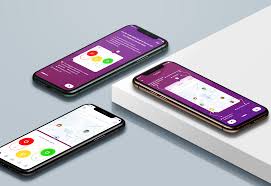
Community Safety & Alert App Business Feasibility Study, Market Research and Business Plan Services in USA
The personal safety app market in the USA is experiencing robust growth, driven by increasing public safety concerns and technological advancements. Launching a Community Safety & Alert App requires a deep-dive feasibility study and a strategic business plan to succeed in this competitive environment. This article details the essential steps and explains how a professional advisory firm like Aviaan can be your critical partner for success.
December 13, 2025
18 min read
COMMERCIAL EXCELLENCE
Loading...
Strategic guidance and institutional-grade solutions customized for your enterprise objectives.
Talk to a Financial Expert
Schedule a complimentary 30-minute discovery call to discuss your enterprise’s financial trajectory.
By submitting, you agree to our Privacy Policy.
Table of Contents
The digital revolution has profoundly impacted how communities approach safety, giving rise to a booming market for mobile-based public safety and alert applications. In the USA, a country characterized by high smartphone adoption and a decentralized approach to community safety, the market for personal safety apps is projected to reach significant value, showcasing a strong compound annual growth rate. This vibrant yet highly competitive landscape demands a meticulous and data-driven approach for any entrepreneur or organization seeking to launch a successful Community Safety & Alert App. Success hinges not just on a great idea, but on a robust market research, a rigorous business feasibility study, and a strategic business plan. These three pillars are essential to validate the concept, secure funding, and navigate the complex technical and regulatory environment of the United States.
Market Research: Defining the Opportunity in the USA
Before investing heavily in development, comprehensive market research is non-negotiable. It is the crucial step that informs every subsequent decision, ensuring that the app is designed to meet a verified need in a viable market segment.
Understanding the Target Audience and Pain Points
The USA market is diverse, and safety concerns vary widely across demographics and geographies. Research must segment the audience to define the most promising users:
User Demographics: Are you targeting university students, suburban families, travelers, women in urban areas, or local businesses? Each group has distinct safety concerns and usage patterns. Young adults (18-29) are a dominant segment of safety app downloads.
Problem Validation: What specific safety problems are not being adequately solved by existing solutions? Is it slow response times from local authorities, lack of real-time neighborhood crime data, or ineffective school/campus alert systems? Research needs to confirm that the app addresses a significant, unaddressed pain point.
Feature Prioritization: Through surveys and focus groups, market research identifies the most desired features: real-time location sharing, silent SOS/panic buttons, anonymous reporting, AI-driven route recommendations based on crime data, or integration with wearable devices.
Competitive Analysis and Market Trends
The US personal safety app market is populated by key players, including well-funded startups and solutions focused on mass notification systems. A successful new app must establish a Unique Value Proposition (UVP).
Direct and Indirect Competitors: Analyze established community safety apps (e.g., Citizen, Neighbors by Ring), personal safety/tracking apps (e.g., Life360, Noonlight), and institutional notification systems (e.g., Rave Guardian).
Business Model Analysis: Scrutinize competitors' monetization strategies (e.g., subscription models, premium features, B2B sales to municipalities or universities). A common model involves a free basic version and a paid subscription for advanced features like 24/7 dispatcher support.
Emerging Trends: The market is rapidly evolving with technological integration. Key trends include the use of AI for predictive alerts and behavioral analysis, deeper integration with IoT devices and smart wearables, and the rise of crowdsourced safety platforms.
The Feasibility Study: Validating the Practicality of the App
The feasibility study transforms the market opportunity identified through research into a concrete, practical assessment of viability. It answers the fundamental question: Can this app be built, deployed, and sustained profitably in the USA?
Technical Feasibility
Platform Requirements: Will the app be cross-platform (iOS and Android)? What is the complexity of developing and maintaining a real-time, location-based service?
Technology Stack: Assessment of the necessary cloud infrastructure (e.g., AWS, Azure) to handle massive user data and real-time communication. The need for robust encryption and data privacy measures compliant with US regulations is critical.
Integration Capabilities: The ability to integrate with 911/EMS centers, local police dispatch systems, and existing university/corporate security systems will be a significant factor in the app’s value and technical complexity.
Operational and Legal Feasibility
Staffing and Expertise: Defining the organizational structure, including app development, security experts, legal counsel, and 24/7 customer support/monitoring staff.
US Regulatory Compliance: Navigating the complex federal, state, and local laws surrounding data privacy (CCPA, HIPAA if medical integration is involved), emergency communication protocols, and anonymous reporting laws. The legal risks associated with location tracking and real-time alerts must be thoroughly vetted.
Data Privacy and Security: The core value of a safety app hinges on trust. The study must outline a plan for GDPR-level security and transparent data usage policies, addressing consumer anxieties about surveillance.
Financial Feasibility
Startup Cost Analysis: Detailed calculation of one-time costs: app development (front-end, back-end), infrastructure setup, initial marketing, legal costs, and team hiring.
Financial Projections: Multi-year forecasting of revenues (subscriptions, B2B contracts, advertising), operating expenses (server costs, maintenance, staffing), and capital expenditure. The model must project a realistic Break-Even Point (BEP) and Return on Investment (ROI).
Funding Strategy: Identification of potential funding sources—venture capital (VC) specializing in security/tech, angel investors, or small business loans—with clear financial documentation to support funding pitches.
The Business Plan: The Blueprint for US Market Entry
The business plan is the final, cohesive document that synthesizes the market and feasibility findings into an actionable strategy. For the competitive US market, this plan must be exceptionally well-structured and compelling to attract investment. Key components include:
Detailed Service Description: Clearly articulate the app's features, how it functions, and its core benefit to the user.
Go-to-Market Strategy: Define the launch strategy. Will you target a specific metropolitan area first (e.g., New York, Los Angeles) or a defined vertical (e.g., college campuses)? Outline the initial marketing mix: digital advertising, strategic partnerships with local organizations, and PR focused on safety advocacy.
Pricing Model and Revenue Streams: Explicitly detail the monetization strategy. For a community app, this might include a freemium model with paid tiers for advanced features (e.g., extended safety timer, professional monitoring), or an enterprise model targeting municipalities, schools, or large corporations.
Risk Management Plan: A comprehensive section outlining critical risks (e.g., competitor response, technical failure, data breach, negative public perception) and specific mitigation strategies.
How Aviaan Can Be Your Strategic Partner in the USA
Launching a tech venture in the highly regulated and competitive US market, especially in the sensitive domain of community safety, requires more than just technical skill; it demands strategic advisory and a deep understanding of local market dynamics. Aviaan, a global advisory firm, provides the specialized services needed to navigate this journey successfully.
Aviaan’s Expertise in Market Research
Aviaan’s market research methodology is specifically tailored to the nuances of the US public safety sector. They go beyond general market data to provide granular, localized market intelligence essential for a Community Safety & Alert App.
Hyper-Localized Demand Analysis: The safety needs of a community in a dense urban center like Chicago differ vastly from a suburban school district in Texas. Aviaan conducts targeted research at the city, county, and state levels. They utilize proprietary data models to analyze publicly available crime statistics, demographic shifts, and local public safety expenditure to pinpoint the highest-demand zones for the app. This allows you to launch your app not nationwide, but in the most profitable, high-need areas first, maximizing your initial marketing ROI. They answer: Which 10 metropolitan areas have the greatest need and highest willingness-to-pay for a proactive safety solution?
Behavioral Insight and UX Validation: Traditional market research often misses the emotional and behavioral components of safety. Aviaan employs psychographic segmentation and in-depth user interviews across different US regions. They conduct mock-scenario testing to understand how users would actually use the app during a high-stress emergency. This qualitative data is crucial for designing a user interface (UI) and user experience (UX) that is intuitive, fast, and trustworthy, which is a key differentiator in the safety app market.
Regulatory and Legal Benchmarking: The legal landscape for location-tracking and real-time alerts in the US is a minefield. Aviaan provides a Legal & Regulatory Feasibility analysis, benchmarking your proposed feature set against state-specific laws related to anonymous tips, privacy of minors, and mandated emergency contact protocols (like E911 standards). This proactive compliance review prevents costly legal missteps down the line, ensuring the app's liability is managed from the outset.
Competitor Strategy Decomposition: Aviaan doesn't just list competitors; they deconstruct their business strategies. This involves analyzing competitors’ customer acquisition costs (CAC), lifetime value (LTV) models, funding rounds, and technology stack weaknesses. This intelligence allows Aviaan to identify genuine market gaps and help you define a Unique Value Proposition (UVP) that offers a distinct, superior alternative to existing solutions. For example, if competitors are weak on AI-driven predictive alerts, Aviaan will recommend a strategy to dominate that specific feature set.
Aviaan’s Role in Business Feasibility and Strategy
The Community Safety & Alert App business model is complex, blending technology and a sensitive service. Aviaan's deep expertise in financial and operational modeling ensures the business is not only viable but built for sustainable growth and investor appeal.
Strategic Financial Modeling and Investor-Ready Reports: Aviaan develops sophisticated, multi-scenario financial models (Best-Case, Base-Case, Worst-Case). These models integrate the cost of ongoing cloud services, API call expenses (e.g., for mapping), 24/7 staffing for a professional monitoring option, and long-term Customer Acquisition Cost (CAC) unique to the US market. The output is an investor-ready report—a non-negotiable document for securing VC funding in the US—that clearly presents the investment required, the projected ROI, and the sensitivity analysis for key variables (like subscription conversion rate).
Operational Blueprint for Scalability: For an app that must handle emergencies, scalability and reliability are paramount. Aviaan designs an Operational Feasibility Plan that details the logistics of the entire service ecosystem. This includes defining the architecture for an instant-response server, creating a disaster recovery plan for the event of a system-wide outage, and structuring the team for a 24/7 operation. They help define the Service Level Agreements (SLAs) for response times, which are critical for the app's credibility.
Strategic Partnership Mapping: In the safety sector, partnerships are a gateway to mass adoption. Aviaan identifies and evaluates potential strategic partners across the USA, such as:
Insurance Providers: Integration for offering discounted rates to users.
University/Campus Security: B2B contracts for exclusive institutional use.
Non-Profits and Community Organizations: Endorsement and co-marketing for rapid user base growth. Aviaan helps structure the financial and operational terms of these partnerships, transforming potential allies into concrete revenue streams.
Mitigating Social and Reputational Risk: A high-profile safety app is susceptible to significant reputational damage from false alarms, data breaches, or miscommunication during a real event. Aviaan includes a dedicated Risk Assessment and Mitigation Strategy in the business plan. This strategy details protocols for crisis communication, manages expectations regarding police/emergency service response, and outlines clear user disclaimers to manage legal liability, a crucial focus area for any business operating in the litigious US environment.
Aviaan's Business Plan Development
The final step is translating all the insights into a persuasive and executable business plan. Aviaan ensures the plan meets the highest standards expected by US-based venture capital firms and financial institutions.
Compelling Executive Summary: The Executive Summary is the investors' first and often only deep-read. Aviaan crafts a razor-sharp summary that immediately highlights the market size ($500 million in the US safety app market), the identified unique opportunity, the app's UVP (e.g., AI-Predictive Geofencing), and the projected financial returns, positioning the app as a top-tier investment opportunity.
Detailed Marketing and Acquisition Strategy: Given the high cost of digital advertising in the US, the marketing strategy must be precise. Aviaan develops a phased Customer Acquisition Strategy focused on low-cost, high-trust channels:
Community-Based Pilots: Launching a free pilot program with a local neighborhood association or a university to generate word-of-mouth and initial data.
SEO and Content Marketing: Targeting high-intent searches related to "neighborhood crime watch" or "personal safety alarms."
Public Relations: Targeting safety-focused media and local news channels to build credibility and trust within the community. The plan includes a measurable budget and clear KPIs for each channel.
Technology Roadmap and Future Scaling: Investors need to see a long-term vision. Aviaan includes a technology roadmap that details development milestones for the first three years, including: Wearable integration (e.g., Apple Watch, smart rings), AI-enhanced predictive threat modeling, and expansion into B2G (Business-to-Government) contracts. This roadmap demonstrates the app’s potential for sustained innovation and market growth beyond the initial launch.
Organizational and Team Structure: The plan includes a clear organizational chart, defining the roles for a lean, high-performance team. Aviaan helps structure compensation and equity plans that align with US industry standards, enabling the client to attract top-tier talent (e.g., former police/first responders, top mobile developers) who are essential for the app's credibility and success. By providing this comprehensive, data-driven, and investor-focused suite of services, Aviaan minimizes the entrepreneurial risk and significantly enhances the probability of success for a Community Safety & Alert App in the challenging, yet rewarding, US market. Their work ensures that the client is making a GO decision based on fact, not just hope.
Conclusion
The Community Safety & Alert App market in the USA is a high-growth sector where innovation and trust are the currency of success. To capture a meaningful share of the market, a systematic approach involving detailed market research, a rigorous feasibility study, and a strategic business plan is crucial. This foundational work—from hyper-localized demand analysis to complex financial modeling and risk mitigation—is too complex to undertake without expert guidance. Partnering with Aviaan provides the necessary strategic insight, investor-ready documentation, and operational blueprint to launch a resilient, compliant, and profitable Community Safety & Alert App, transforming a promising idea into a viable, impactful enterprise.
Case Study: Aviaan’s Strategy for a University Safety App Launch
Client Profile: U-Protect, a startup seeking to launch a sophisticated personal safety and alert app targeting the university and college market across the USA.Initial Challenge: The client had a robust technology platform featuring a silent panic button, GPS tracking, and two-way communication with security. However, they lacked specific market knowledge of the B2B sales cycle for higher education institutions, had an unverified pricing model, and faced significant liability concerns regarding campus security protocols. Their initial business plan lacked the depth required for a Series A funding round.
Aviaan’s Engagement and Solution
Project Scope and Aviaan’s Methodology
Aviaan was engaged to perform a comprehensive Business Feasibility Study, Market Research, and develop an Investor-Ready Business Plan. The project was broken down into three detailed work streams to ensure maximum insight and strategic value.
1. Targeted Market Research and Validation
Identifying the High-Value Segments (Segmentation): Aviaan did not target all 4,000+ US universities. Instead, they segmented the market based on:
Security Expenditure: Public vs. Private institutions and their annual budget for security technology.
Incident Rate: Campuses with high Clery Act crime statistics or a history of public safety incidents.
Technical Readiness: Universities with existing mass notification systems (MNS) and a willingness to integrate third-party apps. The research identified large, private universities and state university systems in the Northeast and California as the Primary Target Market (PTM), due to their higher security budgets and proactive approach to campus safety.
Deep Dive Competitive Intelligence: The team analyzed incumbent solutions like Rave Guardian and LiveSafe. The key finding was that while incumbents excelled at mass broadcasting (alerts about campus closures), they were weaker on personal, two-way communication and features designed for anonymous, low-threshold reporting (e.g., reporting harassment or suspicious activity without calling 911). Aviaan identified the client’s core UVP as a superior, high-engagement, low-friction reporting tool that bridges the communication gap between students and campus police.
Primary Research for Pricing and Feature Validation: Aviaan conducted interviews with 50+ key stakeholders, including Campus Police Chiefs, VP of Student Affairs, and IT Directors across the PTM. This primary data was crucial:
Pricing Model Validation: Stakeholders indicated a strong preference for a per-student, annual licensing model rather than an initial CapEx purchase. Aviaan verified the acceptable price range to be between $1.50 - $4.00 per student/per year, depending on the level of professional monitoring included.
Feature Gaps: The interviews highlighted a critical need for silent, discrete panic triggers and a centralized administrative dashboard for security personnel that could integrate with their existing Computer-Aided Dispatch (CAD) system. The client’s existing app only offered basic web-based access.
2. Rigorous Feasibility Study and Operational Modeling
Financial Feasibility: Building the SaaS Model: Aviaan built a 5-year Software-as-a-Service (SaaS) financial model, a key requirement for VC investors. The model included:
Customer Acquisition: Detailed breakdown of sales cycle length (average of 9-15 months for a university contract), Customer Acquisition Cost (CAC) through trade shows and direct sales, and churn rate projections.
Cost of Goods Sold (COGS): Calculated the variable costs, primarily cloud server fees (AWS/Azure) based on per-student data load, and the cost of the 24/7 contracted monitoring center staff.
Revenue Projection: Projected revenue based on a tiered licensing model (Standard, Premium with 24/7 monitoring) and a conservative assumption of a 10% market penetration rate within the PTM over five years. The model demonstrated a Break-Even Point (BEP) in 36 months and a Lifetime Value (LTV) to CAC ratio of 5:1, a highly attractive metric for investors.
Technical and Integration Feasibility: The study confirmed that the primary technical barrier was the need for an API gateway to allow U-Protect’s system to seamlessly feed location and incident data into existing campus CAD systems without requiring a major overhaul of the university’s infrastructure. Aviaan’s recommendation shifted development focus from adding new consumer-facing features to building robust, compliant B2B integration tools, a critical investment for securing high-value contracts.
Legal and Liability Assessment: Aviaan collaborated with specialized legal counsel to address the extreme liability associated with campus safety. The feasibility report included:
Waiver and Disclaimer Protocol: Drafted mandatory terms of service that clearly define the app's role as a supplementary tool and not a replacement for 911/Campus Police, mitigating liability from delayed response times.
Data Retention Policy: Defined a compliant data retention and destruction policy to adhere to privacy laws and university-mandated data security standards.
3. Investor-Ready Business Plan and Strategy Development
Refined Value Proposition: The final business plan pivoted the app’s narrative from a "personal safety tool" to a "Digital Integration Platform for Campus Security," emphasizing its B2B value: reducing non-emergency calls to police, improving resource allocation through real-time data, and enhancing Clery Act reporting compliance.
Go-to-Market Strategy (The Wedge Strategy): Aviaan devised a highly specific "Wedge Strategy":
Phase 1: Pilot & Test (3 Campuses): Offer a free, 6-month pilot to three strategically chosen universities in key states (NY, CA, TX) to generate verifiable case studies and integrate the platform with their specific CAD systems.
Phase 2: Vertical Dominance (50 Campuses): Leverage the case studies to attend key industry conferences (e.g., Campus Safety Conferences) and target the next 50 largest private universities with the validated $3.00/student premium package.
Phase 3: State System Rollout (Mass Scalability): Use the established credibility to pursue large, multi-campus system-wide contracts (e.g., a state's entire public university system), which unlocks massive scale.
The Financial Ask and Use of Funds: The business plan clearly requested a $5 million Series A funding round. Aviaan precisely allocated these funds in the plan: 40% for Sales/Marketing to fund the direct sales team (targeting the 9-15 month cycle), 30% for Technology Development (focused on the CAD integration API and administrative dashboard), and 30% for Operations and Legal compliance.
Outcome
With the Aviaan-developed Business Feasibility Study and Business Plan, U-Protect approached Venture Capital firms specializing in GovTech and security. The detailed financial model, the validated pricing strategy, and the highly specific B2B Go-to-Market Wedge Strategy impressed investors. U-Protect successfully closed a $6.2 million Series A funding round (24% higher than requested), allowing them to immediately hire a dedicated B2B sales force and fast-track the development of the essential integration APIs. They secured their first major multi-campus contract within 18 months of funding, establishing themselves as a serious contender in the US university safety market. Aviaan’s work transformed a promising technology idea into a financially viable, investor-ready B2B platform with a clear path to scale.
Partner with Aviaan Advisory today to unlock your business’s full potential. Our team of experts is here to provide tailored solutions and guide you every step of the way.